Blog

Off the beaten track in Limpopo – top 5 highlights off the N1

Taking the N1 through Limpopo up to the Zimbabwean border is a long drive and there’s not much to do or see along it. That’s if you’re in a hurry along this stretch of the national route which runs right through South Africa – from Cape Town to Beit Bridge, the border separating South Africa from Zimbabwe.

Should you take time and turn it into a proper road-trip, a delightful part of the country will open its welcoming arms to you. From hot mineral springs to the vast gorge in the Blyde River, the spectacular viewing from Wyllie’s Poort to game farm after game farm – there is actually a great deal to do and see.

You could, of course, miss most of the towns alongside the N1, if you didn’t know what to look out for – Bela-Bela (formerly Warmbad), Modimolle (Nylstroom), Mookgophong (Naboomspruit), Mokopane (Potgietersrus), Polokwane (Pietersburg), Makhado (Louis Trichardt) and Musina (Messina): new names for old towns.

Don’t be in such a hurry. There is excellent and plentiful accommodation all along the various routes leading away from the N1. Staying over can be an actual pleasure in of itself.


1. Bela-Bela

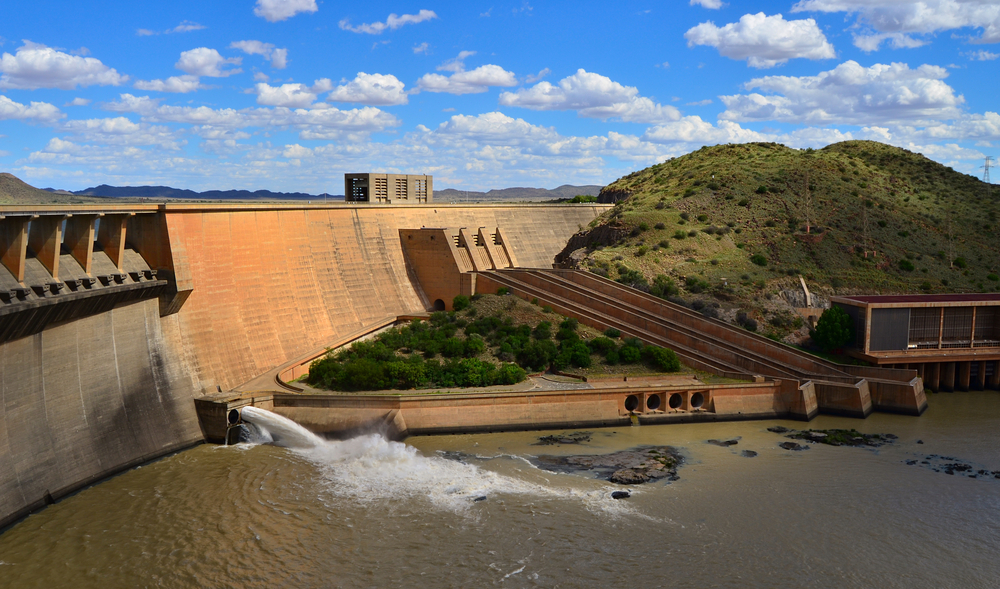
Limpopo1

Just about a hundred kilometres north of Pretoria, Bela-Bela lies just off the N1. It houses some of the best known and popular hot springs in the country. Used for centuries by elephant and buffalo, but also the local human population, it became a state entity in 1873. It is now visited by 250 000 people a year. Consider booking ahead of time, just to be on the safe side.

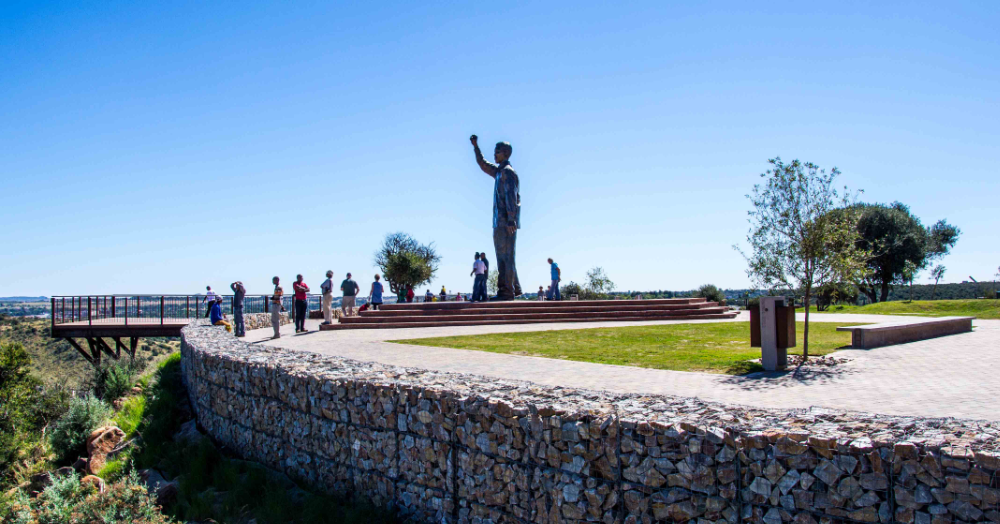
2. Marakele National Park.

Limpopo3

You could also drive on to Thabazimbi on the R516 and visit the Marakele National Park. You’ll be able to view the Big Five and the largest colony of the endangered Cape Vultures in the world plus a wide variety of buck and bird. The roads are excellent and the accommodation affordable.

3. Nylsvley Nature Reserve

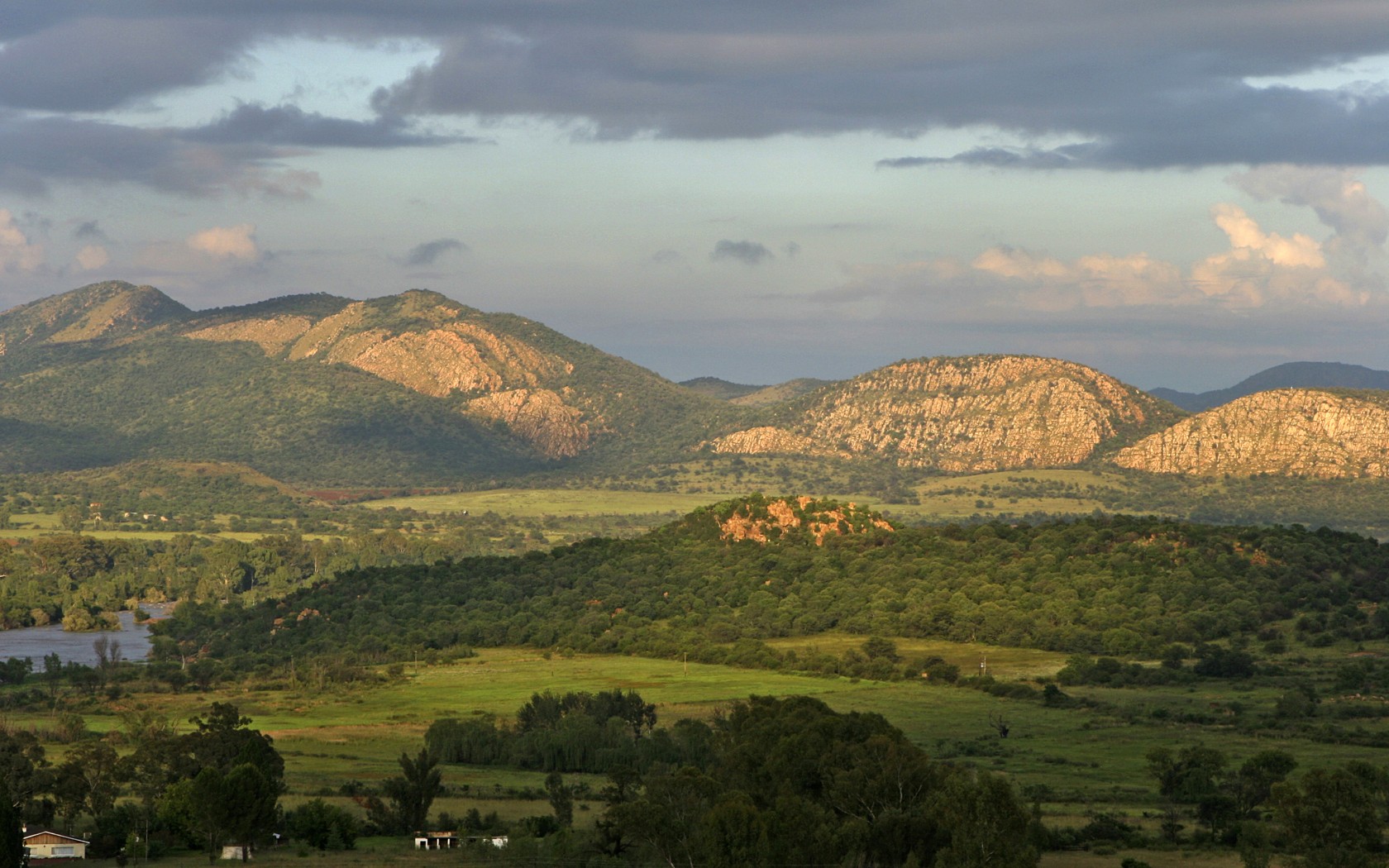
limpopo 5

Back to the N1 and then off again to have a look at the Nylsvley Nature Reserve near Modimolle, the place to visit if you’re a serious birder. If not, go anyway – there are up to 80 000 birds, there, at the same time. Not surprising, as the 4 000 hectare reserve has around 370 bird species.

You can then go back to the N1 via the nearby Mookgophong which also offers some hot springs which surface around the nearby Waterberg. Then on to Mokopane which probably has the best aloe display in the country – some 4 000 plants, a forest of colour in mid-winter when they flower.

4. Blyde River Canyon

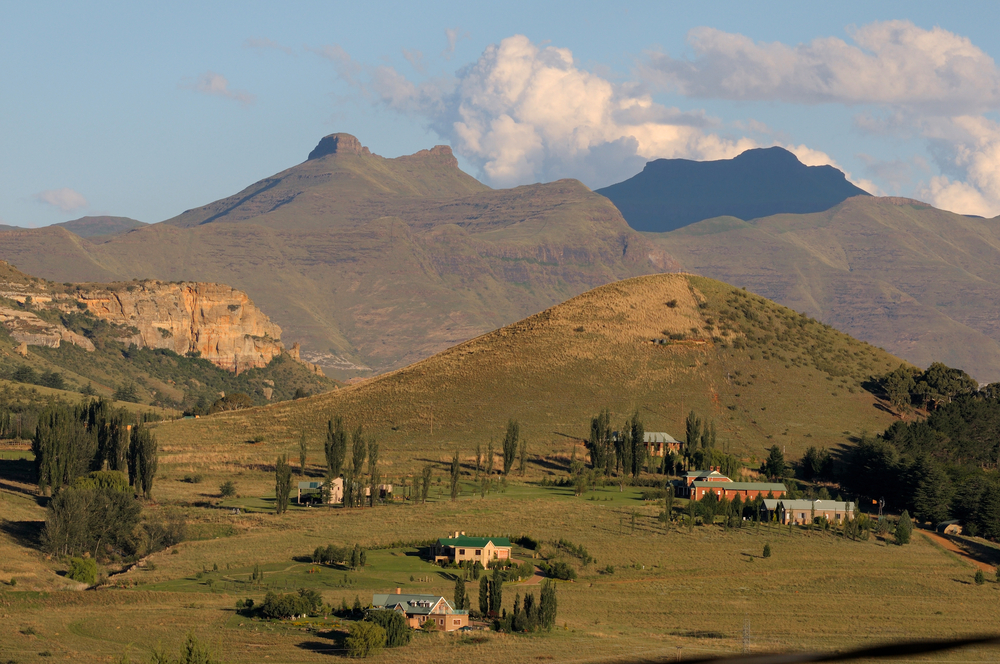
Limpopo2

Next is the provincial capital Polokwane – no longer a town but a bustling city, the commercial capital of the north where cattle ranches abound nearby, with a university on its outskirts as well as 2 000 hectare nature reserve and recreation park. It is also the gateway to the northern part of the Kruger National Park.

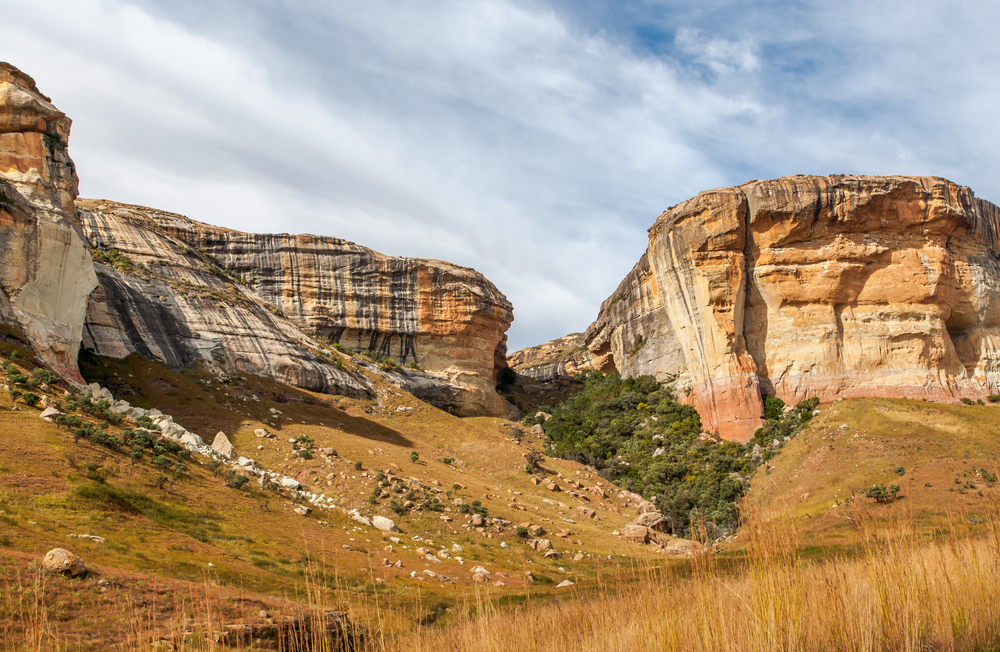
You’ll get there via the spectacular Magoebaskloof with its winding road, indigenous forests and fly-fishing, and then through Phalaborwa. You ought really to take some time and go south to experience the Blyde River Canyon and its majestic 26 km gorge.

Again back to the N1 and Makhado with its famous Soutpansberg Hiking Trail. You can also head due east through great scenery to get to the Punda Milia gate, the northern most entry to the Kruger.

Then from the town itself it is upwards along the steep Soutpansberg and its remarkable Wyllie’s Poort – two tunnels to take you through the mountain with some great views from the top, looking south even beyond Makhado.

Oh, not often thought of, but there are examples of San rock art in the region.

5. Mapungubwe

limpopo 6

Then it is the land of the baobab and the mopane trees. Near the last town of Musina is a must: the remarkable archaeological heritage site of Mapungubwe, dating back to around 1200 AD – a world heritage site, described as the centre of the largest kingdom in the sub-continent before it was abandoned in the 14th century.

Then it is Beit Bridge, recently upgraded and modernised – once you’re on it, that’s the end of the N1. Think about it for a moment: almost 2 000 km of the best road in the world stretches away from you to the southern-most tip of the continent!

Discover the North West province and its charms on world-class roads

The North West province has so much to offer. With four major routes running through it and bordering Botswana, the magic of the North West province cannot be experienced in a single trip, it is just too big.

Experience the North West province by travelling on 4 major numbered roads, N4, N12, N14 and the N1. But these are not the only world-class routes to take through the province.

In 2012, SANRAL took over 1 352km of provincial roads and upgraded them at a cost of a billion rand.
Known as the Platinum province, the province thrives on it mining, agriculture and tourism sectors and is the former homeland Bophuthatswana

There is much to do in the North West – gambling at a pleasure resort, boating on lovely big dams, two major game reserves and a historical city.


Here are our top 5 destinations in the charming North West province:

• Mahikeng – the capital
The city became known worldwide after the Boer War broke out and the Boer forces besieged the city for 217 days.

The African National Congress wrote his literary masterpiece: The Boer War Diary of Sol T Plaatje: an African at Mafikeng.
The city still has many historical buildings but now also recognises the history and role of its black citizens. It houses a campus of the Northwest University.

shutterstock_52777978

• Madikwe Game Reserve
On the Botswana border, the game reserve is home to the Big Five as part of its 66 large mammals and 300 bird species.
The reserves vast plains of woodlands, grasslands and excellent accommodation, makes it one of South Africa’s perfect getaway spots.

shutterstock_101780953

• Pilanesberg Game Reserve
This game reserve is unique as it is set in an ancient volcanic crater and supports a wide variety of animals, birds and plants. And, again, the Big Five, plus wild dogs and the brown hyena.

shutterstock_109725455

• Sun City
Sun City is internationally known for its gambling, Gary Player Golf Course, adventure sports and safari options, rides and games for the children, sitting poolside at the Valley of the Waves, revues and live music shows – an experience of a different kind.

shutterstock_149194148

• Hartebeespoort Dam
Sometimes known as Harties, the dam has a shoreline of 56km, offering a wide variety of things- to do. To name some: all water sports, air ballooning, hikes and rambles. It nestles against the picturesque Magaliesberg Mountains.

shutterstock_98344859

Blasting on the R72 between Port Alfred and Fish River

SANRAL would like to notify road users of travel delays on the R72, between Port Alfred and Fish River, due to blasting at the Shaw Park quarry, which will commence from 15h30 on Monday 16 November 2015. The road will be closed and motorists can expect a delay of approximately 15 to 30 minutes.

The Shaw Park quarry is situated next to the R72, near the intersection of the R72 with the gravel road leading to Shaw Park. The quarry extends from the SANRAL kilometre markers 20,800 to 21,200. Motorists are requested to plan their trips accordingly and be cautious when making use of the road, and comply with the directions of safety personnel.

Incorporating some of the provincial roads into the SANRAL network

Over the past few years, we have seen a few provinces and a number of municipalities handing over some of the roads to SANRAL for modernisation and maintenance.

This is because SANRAL possesses the expertise and technical know-how when it comes to road construction and maintenance. This model has so far worked very well because it has relieved these authorities from the mammoth task of road construction and maintenance, and can therefore focus on other pressing socio-economic needs of citizenry.

Since September 2012, SANRAL has incorporated +/- 1,400km of neglected roads into its network from the North-West province alone.

The incorporation of provincial roads is a lengthy process and wholly outside of SANRAL’s control. This means that we receive these roads without budget and without additional funds. These roads are then maintained from savings on its existing budget.

After incorporation, SANRAL starts to maintain the roads from extended maintenance contracts on other roads in the vicinity of the newly incorporated roads.

The philosophy is to start with the routine maintenance of the roads which includes potholes, cleaning and fixing drainage systems, cutting grass, picking up litter, fixing fences, putting up road signs, etc., to make roads safe and drivable.

Swartruggens seen differently

The Swartruggens Toll Plaza has unfairly be labelled as the most expensive toll gate in the country. In fact, it is – and it isn’t. It is expensive for occasional road users, but cheap for local residents. It is important to take into account the road distance it serves, it is, in fact, reasonable.

This is a perspective on Swartruggens which needs explanation.


Road users only pay for the roads they use and the distance between one toll gate and the next is factored in.


Tolling, an international roads payment system, is based on a “user-pay” principle – and it is fair. Road users only pay for roads they use and the distance between one toll gate and the next is factored in.

There is good news for farmers and other local resident road users in the wider Swartruggens area:

– tolls at the plaza have not been increased
– special discounts are now in place. They are substantial and mean that most locals pay up to 75% less at the plaza than infrequent users.

Application for discounts can be made in two places:

1. In Swartruggens at the Marlotti Guest Lodge, 19 Andries Pretorius Street, on Mondays and Tuesdays
2. In Groot Marico at the BP on Voortrekker Street, on Wednesdays and Fridays.

Investing in small business, investing in people

The current slow rate of economic growth and the lack of job opportunities, call for urgent measures to be taken to nurture small, medium and macro enterprises (SMMEs) as a means of bolstering this relatively underdeveloped sector of the South African economy.

As such, the correct understanding of new businesses potential is critical to fast-tracking the development of SMMEs for entrepreneurs.

The development of SMMEs forms part of SANRAL’s broader socio-economic development strategy. This is why SANRAL ensures a certain percentage of work is awarded to SMMEs.

SANRAL spent R2.9 billion on SMMEs contracts in 2014/2015. R1.7 billion went to 765 black-owned enterprises.

During the contract period, SMMEs employ and train workers, creating job stability in local communities. This is why we say we don’t just invest in small business, we invest in the people too.

SANRAL paves roads for small communities too

SANRAL does not only take on massive construction projects like national roads and tolling plazas. We are also happy to be involved in smaller projects – but which have huge advantages for local people, such as in Madidi which is in the Madibeng Local Municipality.

Some time ago, a local ward councillor approached SANRAL for assistance to upgrade a 6km stretch of gravel road, which is Madidi’s main entry and exit route. The road had deteriorated to such an extent that taxis, buses and delivery vehicles refused to use it, forcing residents to walk long distances in order to leave or enter the area.

SANRAL decided to assist as part of its policy to support job creation and community development.

It reached an agreement with the North-West province to re-lay the road with an asphalt surface at a cost of R30 million, with the province and SANRAL each contributing R15 million.

The project created jobs for two years and the local economy was boosted. Public transport improved significantly and new taxis were purchased, car wash businesses were opened and other businesses began to thrive. Above all, contractors in the area were empowered with road construction skills.


The new road brought significant benefits to the community:

Madidi

The Road to Moria

SANRAL intervened and as a result, lives have been saved and traffic congestion has been eased at the R71 Interchange near Moria, Limpopo. It had many challenges, such as constant congestion resulting from a clogged-up two-lane road running from Polokwane to Tzaneen, and consequently, a single lane for traffic coming from the opposite direction. This traffic jam would reach a peak over Easter time when millions of pilgrims use this section of the road to access Moria, their central place of worship.

This would be coupled with a host of unavoidable road safety risks, as cars wanting to make a right turn from the intersection into Moria would do so at their own risk – without a guidance system or traffic control measures. To make it worse, road users would have to be vigilant of thousands of pedestrians alighting minibus taxis, a factor which has contributed to the growing number of pedestrian fatalities.

But this was back in 2014, and the situation has improved dramatically since then, after SANRAL undertook to upgrade the road.

Moria project in numbers

Freeways are SMART too!

Severe traffic congestion is experienced in most major cities around the world, and South Africa is no exception. This can have a negative effect on productivity, the running costs of vehicles, the environment and the time people spend with their families

It is often too costly to provide additional road capacity within restricted space, and alternative solutions must be explored in order to optimise the road capacity.

Another major challenge is the ability to deal efficiently with crashes and incidents when they occur, specifically when such freeways are already operating at or above the intended capacity.

SANRAL, realising the increasing constraints on the provision of infrastructure to effectively manage its road network and improve road safety, investigated alternatives by focusing on operational issues in response to road users’ needs.

SANRAL deployed Intelligent Transport Systems (ITS) on the major freeways in Gauteng, aptly referred to as the Gauteng Freeway Management System (FMS). 220km of the Gauteng Freeway Network is equipped with ITS.

The aim of the FMS is to:

– Reduce congestion
– Improve road safety
– Keep motorists informed
– Respond rapidly to traffic congestions

It is better to have paid

Yesterday’s announcement of the implementation of the once-off 60% discount of historic e-toll debt in arrears has been met with some queries and many road users sms’ing and calling to check their debt.

“It is important to note that the decision to ease the burden of this old debt does not come at the expense of road users who have done the right thing from the start of the system and paid,” says SANRAL’s communications manager, Vusi Mona.

“We thank the hundreds of thousands of law-abiding vehicle owners who have registered in the past and continued to pay their fair share for the upkeep of our top-class freeway network.

We can assure you that you are winning all the way with the new dispensation.. You have no debt to settle, and even with the 60% discount for those that have not been paying, you will have paid less.”

This table explains it simply using a R10 example:

Screenshot 2015-11-02 17.10.27

Mona explained that the new dispensation will not disadvantage those with e-tags. They will continue to benefit through the standardised 30c/km tariff, the 50% reduction in monthly caps, the continuation of the time-of-day discount and the peace of mind that their annual vehicle licensing renewal will be handled without any complications or delays.

“We encourage all vehicle owners in Gauteng to reap the benefits of registering for e-tolls and making the switch towards e-tags.”

Print