Blog

Cable car being installed at N2WCR project

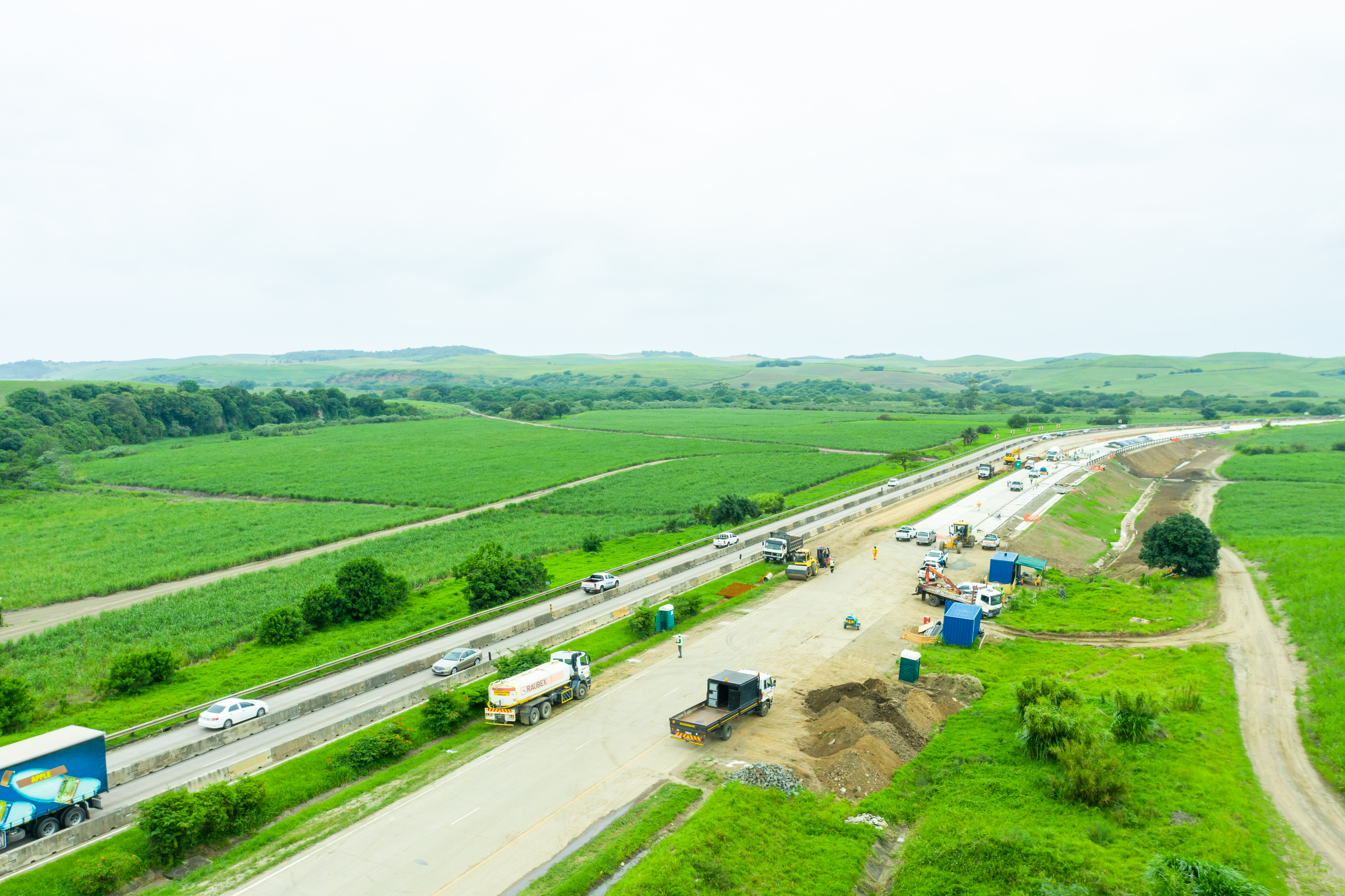
Eastern Cape, 06 July 2021: A temporary cableway that will drastically reduce the travelling time between the South and North sites of the Msikaba Bridge will soon be operational on the N2 Wild Coast Road (N2WCR) Project.

The distance between the north and south banks of the Msikaba Bridge site is approximately 600m but is currently only accessible via an almost three-hour drive by road over 96km.

The cable car will enable site staff to cross the gorge in an estimated three to four minutes. The cable car, which can accommodate up to six people or 500kg in weight, will transport site staff and occasionally small quantities of material from the south to the north bank and vice versa.

“Even though the two sides of the bridge are effectively being built as two sub-projects, each with its own staff, equipment and material, it is necessary for senior staff and specialists to be able to access both sides of the gorge easily. Due to the logistical problems of getting from one side of the site to the other, the cableway is being installed for temporary use by staff for the remaining duration of the construction period,” said Craig McLachlan, SANRAL’s lead project manager on the N2WCR Project.

A company from Switzerland, licensed to install cableways, has been appointed to carry out the work. Work on the cableway started a year ago but was substantially delayed when the coronavirus pandemic curtailed international travel. The installation of the cableway is estimated to be completed in mid-July 2021.

The South African National Roads Agency SOC Limited (SANRAL), as the custodian of the N2WCR Project, is making steady progress in developing this multi-billion-rand project, which will serve as a crucial economic artery in the region.

The R1.65 billion Msikaba Bridge is currently under construction. The cable-stay bridge, with a 580m span and 195m height, is expected to be completed by the end of 2023.

The N2WCR Project entails upgrading the 410km of road, which stretches from East London to the Mtamvuna River, on the border between the Eastern Cape and the KwaZulu-Natal provinces. The project is located on the N2, which connects four provinces, i.e. the Western Cape, Eastern Cape, KwaZulu-Natal and Mpumalanga, and traverses the cities and major towns of Cape Town, George, Port Elizabeth, East London, Mthatha, Durban and Ermelo.

The project consists of two mega bridges, the Mtentu Bridge and the Msikaba Bridge projects, and seven other major road works projects, including several major bridges and interchange structures.

Tenders for the Mtentu Bridge project has closed, and it is currently in adjudication. A contractor is expected to be appointed in the second half of 2021. Provided that there are no significant delays on the Mtentu Bridge project, the construction period is estimated to be 46 months, including a four-month mobilisation period.

SANRAL awards contract for R61 upgrade from Baziya to Mthatha Airport project

Eastern Cape, 02 July 2021: The R237-million contract to upgrade the R61 from Baziya to Mthatha Airport has been awarded, the South African National Roads Agency SOC Limited (SANRAL) has announced.

The National Route R61, Section 7 from Baziya to Mthatha Airport, phase 1, was retendered late last year, after the initial contract was terminated in August 2019 due to non-performance by the previous contractor. The contract for the remaining work has been awarded to H & I Construction. H & I.

Construction, previously known as Triamic Construction, has more than 20 years of experience completing numerous major roads and bridge infrastructure projects for SANRAL in various provinces.

The 18-month contract includes a three-month mobilisation period. During the mobilisation period, the contractor will establish a site office, undertake a skills audit of the targeted enterprises in the project area, identify work packages for sub-contracting opportunities, and recruit local labour. The contractor will start construction of the remaining work in September 2021, and it is expected to be completed in November 2022.

The 27km road is in the King Sabatha Dalindyebo Local Municipality, which is in the OR Tambo District Municipality in the Eastern Cape Province.

It is anticipated that between 150 and 200 jobs will be created for skilled and semi-skilled workers during the construction phase. Skills development training will also be offered. “An upgrade of the R61 is required as there has been a substantial increase in traffic volumes over the past few years,” said Mbulelo Peterson, SANRAL Southern Region Manager.

The work will take place within the existing road reserve.

“Once completed, access to the Airport and Mthatha will be improved due to the wider road prism and surfaced shoulders. In addition, numerous intersections will be upgraded to improve traffic flow and ease turning movements into and out of the R61,” said Peterson.

The project’s scope of work will include widening the existing road cross-section with surfaced shoulders and additional auxiliary lanes to facilitate traffic flow.

All the major structures are approximately 95% completed and require finishing-off around these structures.

Some access roads leading to the R61 will be re-gravelled or surfaced. “These access roads will be improved to ensure safer access points as well as to reduce the number of access points to the R61,” said Peterson.

In addition, SANRAL plans to provide a dual carriageway between Mthatha Airport and Mthatha CBD to increase mobility and service levels in this area.

SANRAL hosts Botlokwa Community to unpack R10 million project upgrade in the area

Limpopo, 31 May 2021: The South African National Roads Agency Limited (SANRAL) hosted an information sharing session in Botlokwa to announce the upgrade of the Botlokwa Clinic Road. The 2,5-kilometre-long project, which runs from the National Road 1 (N1) to the new clinic in Machaka, will be upgraded from gravel road to surface road.

“Our purpose today is to engage the community and the Machaka Traditional Council with the necessary knowledge regarding the project upgrade as well as upcoming SANRAL projects. At SANRAL we will continue to drive the Horizon 2030 strategy, reaching out to stakeholders in all three spheres of government, from national, provincial, to local. We also always ensure that community members that live alongside our national roads benefit from these projects” said Moloko Masenya, SANRAL’s Northern Region stakeholder coordinator for Limpopo Province.

The event was attended by ward councillors, Machaka Traditional Council, Molemole Business Forum, Botlokwa Road Safety Organisation, Marama Taxi Association, Headmen, and other affected communities. “The information session presents an opportunity for the community to endorse SANRAL’s project plans and acknowledge the project liaison committee formed to represent them throughout the lifespan of the project,” said Masenya.

Consultants that will work on the project were appointed in January 2021 for a period of 12 months. Once the design work is complete, the tender will be advertised for the appointment of the main contractor, which is expected start work in the first quarter of 2022.

“SANRAL provided this opportunity for local communities to participate in contracting and sub-contracting opportunities on the project. The R 10 million project consists of design (valued at R2 million) and construction and supervision (valued at R8 million). The communities are therefore presented with opportunities that will allow local SMMEs to obtain training and job creation prospects that will be realised through this project,” said Tony Seloana, SANRAL’s Northern Region Project Manager.

SANRAL will continuously liaise with the appointed Project Liaison Committee to follow the process in the hiring of local labourers for the duration of the project. Continuous project information sessions and introductions of contract teams to the traditional authority and local municipality is crucial throughout the project life cycle to foster conducive relations with targeted stakeholders.

SANRAL busy with major road improvements across SA

The South African National Roads Agency SOC Limited (SANRAL) is busy with major road improvement activities in several provinces.

National Road R33

SANRAL recently awarded a contract for resurfacing of National Road R33, section 6 from Mkhondo to Amsterdam in Mpumalanga. The tender amount was R91 million and the appointed consultant is Royal Mndawe, with Roadmac Surfacing as the contractor. This project aims to reduce travelling times and ensure a smooth journey with improved skid resistance.

The high-level scope of the project includes site establishment, traffic  accommodation, pretreatment of the existing road, edge-break repairs and construction of edge beams. Major work includes base and surface patches, bridge joints repairs, seal construction and painting of new road markings. Other works include clearing and shaping of existing open drains, construction of subsoil drains where required, clearing hydraulic structures and finishing offroad reserves.

SANRAL has also awarded a contract for resurfacing of National Road R33, section 7 from Amsterdam to the N17 Intersection in Mpumalanga. The tender amount was R122 million, and the appointed consultant is SKI Civil and Structural Engineers with Roadmac Surfacing as the contractor. This project aims to reduce travel time, and provide good riding quality and improved skid resistance.

The high-level scope includes site establishment, traffic accommodation, pretreatment of existing road-edge break repairs and construction of edge beams. Major work includes base and surface patches, bridge joints repairs, seal construction and painting of new road markings.

Other work will include clearing and shaping existing open drains, construction of subsoil drains where required, clearing of hydraulic structures and finishing off the road reserve.

A R79 million contract to repair the Merriespruit steel-ribbed culvert on the R33,  washed out owing to inclement weather, was awarded to G4 Civils as contractor and LEO Consulting and Superstructures as the consultant.

At the same time as the new Merriespruit Bridge is being built, SANRAL will also replace the rusted steel-ribbed culverts on the adjacent Brakspruit and Barberskuil streams with brand new reinforced concrete bridges.

When the three bridges are complete, the R33 is most likely to be the preferred route between Vaalwater and Lephalale, as it is 25 km shorter than the alternative.

The project’s high-level scope includes establishing a small materials testing laboratory on site, including facilities for the engineer. An operational borrow pit will be established and three single-lane temporary deviations constructed at the site of each new bridge. There will be a manually operated Stop-Go system through the day and traffic light-controlled signals at night.

Additional work involves building road and drainage works, erection of guardrails, road signs and applying road markings and road studs. Work will also be done on protecting the slopes and establishing vegetation, and testing materials.


National Road R37

SANRAL has started improving and widening the existing single carriageway on National Road R37 between Burgersfort and the Modikwa mine turnoff. The contractor is Edwin Construction, and the consultant is Ilifa Africa Engineers. The tender value is about R60 million.

SANRAL has also awarded a contract for resurfacing the National Road R37 from Burgersfort km 0.0 to km 14.0, worth R48 million, to contractor Actophambili Roads with Quantra Consulting.

The existing road will be upgraded, with new intersections provided by building six roundabouts. This project aims to improve the safety of pedestrians, and public transport stops will be built, including bus bays and bus shelters. The scope includes building sidewalks from intersections to bus bays, construction of two new bridges and widening of one other bridge. The final road section will have four lanes, surfaced shoulders and a painted island.

It also includes regravelling shoulders, edge-break repairs, building edge beams at property entrances, intersections and taxi bays, cleaning hydraulic structures and culverts, replacing bridge joints where required, applying temporary and permanent road markings, installing permanent road studs, repairing, renewing, or installing new guardrails and finishing off the road reserve.

The project will improve riding quality and skid resistance, as well as enhancing job creation during construction.


National Route R510

SANRAL has awarded a contract to improve the R510 from Bierspruit to Thabazimbi in Limpopo. The tender amount is R458 million, the consultant is  Royal Haskoning and the contractor is Raubex Construction.

This road passes through chrome, iron-ore and platinum mining areas and therefore has high traffic volumes and a high percentage of heavy vehicles. The main benefits of the improvement are safety and shorter travelling times, and increased passing opportunities from adding passing lanes and 3m-wide paved shoulders.

The project will also strengthen the existing pavement by reworking existing layers, improve vertical and horizontal alignments and drainage, upgrade intersections, and lengthen and upgrade existing minor and major structures where there is insufficient capacity.

Materials for base and sub-base construction will be accessed from stockpiles in the surrounding areas, owing to mining activities along the road.


National Road R572 – section 2

 SANRAL has awarded contracts for resurfacing of National Road R572 from Monte Christo to Rooigrond and from Rooigrond to Tom Burke, in Limpopo. These contracts are valued at R82 million and R83 million, respectively. The contractor is Roadspan Surfaces and the consultant is Royal Mndawe.

The high-level scope of the project includes the mobilisation period and site establishment, traffic accommodation, pretreatment of existing road-edge break repairs, constructing edge beams, base and surface patches, repairing bridge joints, constructing seals and applying road markings.


 

Transport Budget 2021 at a glance


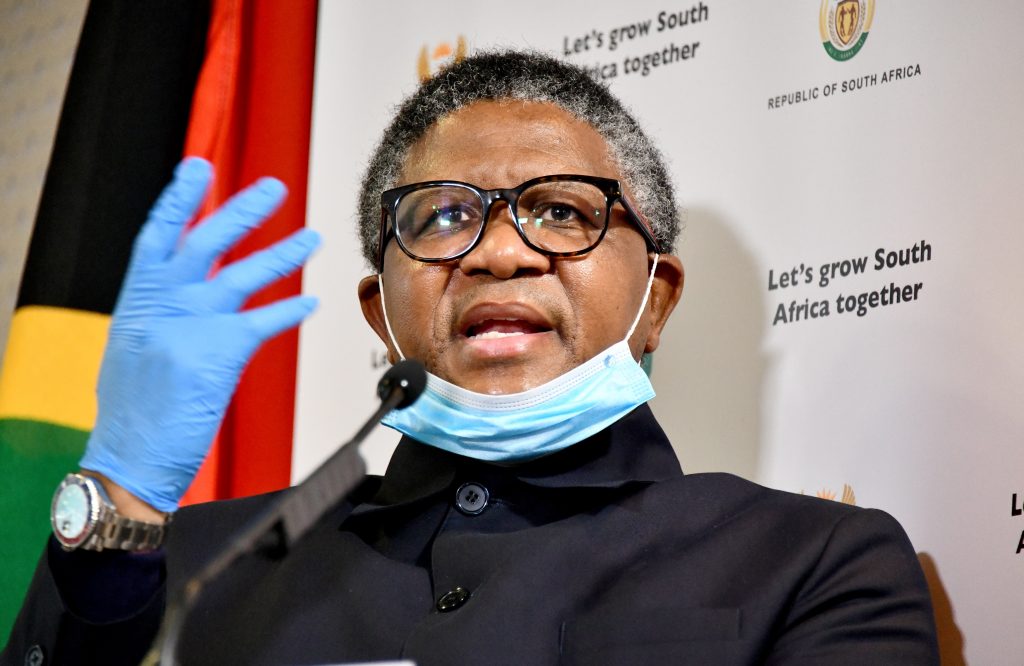
The Department of Transport’s expenditure is expected to increase at an average yearly rate of 8.1%, from R57.3 billion in 2020/21 to R72.5 billion in 2023/24, Minister Fikile Mbalula said during the virtual debate on the transport budget vote on 21 May.

Most of the funds are reserved for SANRAL for the upgrading and maintenance of the national road network, as well as for provinces and municipalities for construction, operations and maintenance of transport infrastructure and services.

Minister Mbalula said “SANRAL plays a crucial role in the upgrading, maintaining and rehabilitation of our national road network. Transfers to the agency account for 31% of the department’s budget and 62.2% of the department’s budget for road transport specifically.

“A core focus over the medium term is the upgrade of the R573, popularly known as the Moloto Road, with an allocation of R2.7 billion. Transfers to fund reduced tariffs for the Gauteng Freeway Improvement Project amount to R2 billion over the medium term, while 53.6% or R34.8 billion of allocations to the agency are to maintain the national network of non-toll roads.”

SANRAL interlinks road construction and the environment

Road construction and the environment are strongly interlinked and dependent on one another. The basic purpose of the road network is moving of goods and people from one place to another. However, road construction can have significant effects on the environment and communities if not addressed properly in the design and implementation phase.

In SA, and in particular in KwaZulu-Natal, the road network plays a broader role in ensuring social upliftment and economic empowerment. Roads open up more areas and stimulate economic and social development. There is a strong link between road infrastructure development and poverty alleviation. Such investment not only results in the creation of job opportunities, but has associated effects on standard of living, market accessibility, community development and growth.

SANRAL is currently busy with major upgrades and realignment of the N3 between Durban and Pietermaritzburg, which is located within the Primary Growth Corridor identified in terms of the Provincial Spatial Economic Development Strategy. The project’s goal is to provide a state-of-the-art road network that will transform the economic landscape, create new job opportunities and strengthen delivery of basic services while linking with port upgrade plans.

SANRAL’s Environmental Policy Statement addresses the agency’s renewed commitment to protection of the environment. In providing a superior and resilient road network, SANRAL continuously strives to find a balance between the economic and social benefits of road infrastructure and sustaining the biophysical and social environment.

“Environmental legislation requirements applicable to SANRAL are meant to be tools for achieving sustainable development. The legal requirements ensure that potential environmental impacts are foreseen at the appropriate stage of project design, and addressed before any concrete decision is undertaken,” said SANRAL Eastern Region Environmental Coordinator Thobile Duma.

Tourism is one of the most important sectors of KwaZulu-Natal’s economy. In tourism the customers, in other words the tourists, come to the destinations where tourism services are provided. Development of the road infrastructure therefore speeds up the development of tourism, and also enriches the tourists’ travel experience.

SANRAL is currently rehabilitating a number of key roads in the Province – the N2, N3 and R61 – in an attempt to revive the tourism sector. “KwaZulu-Natal prides itself as one of the biggest tourist destinations in the country, and the construction of state-of-the-art roads is likely to attract more travellers to visit the province and in turn boost the economy,” continued Duma.

SANRAL also recognises that road construction needs to be more sustainable in light of finite natural resources, sensitive environmental conditions, and limited economic resources. Sustainability is the inseparable integration of the environment, community and society, and economic attributes that need to be managed at project level to be effective and successful – and SANRAL ensures that this integration occurs.

Training for the future


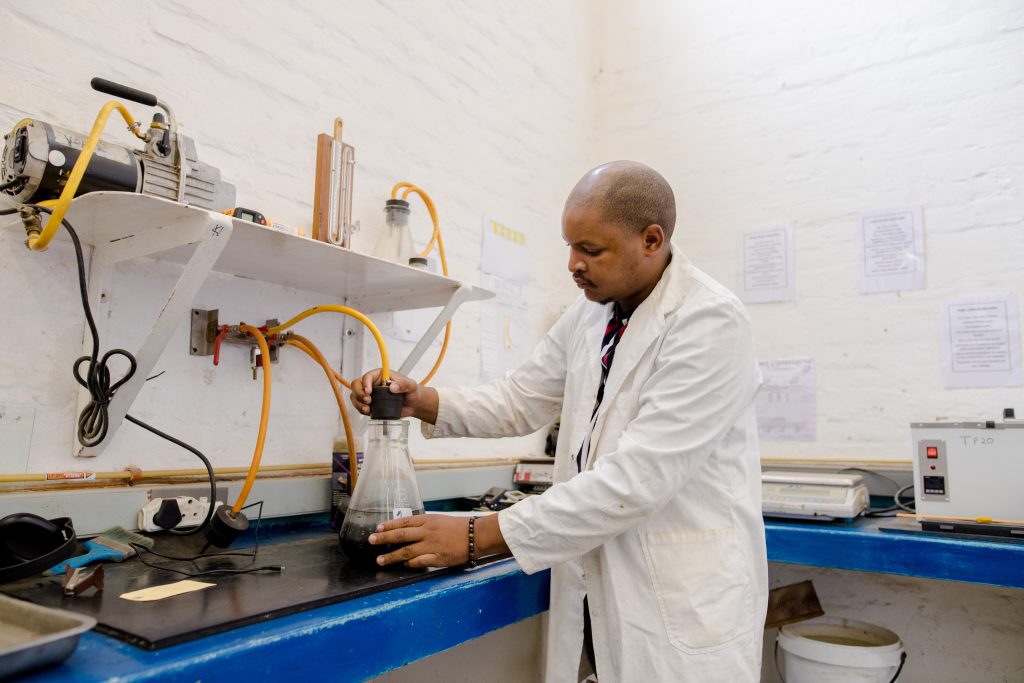
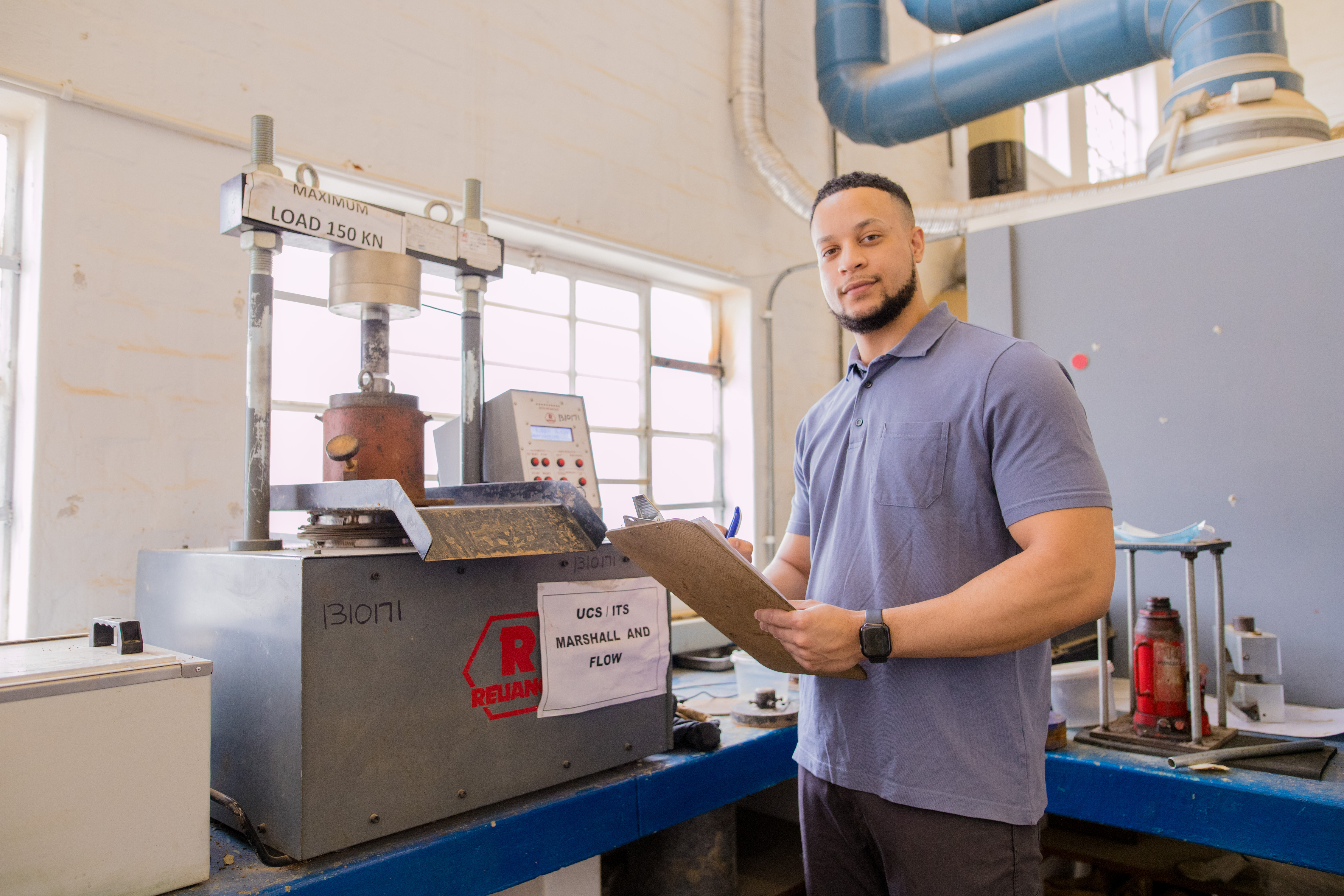
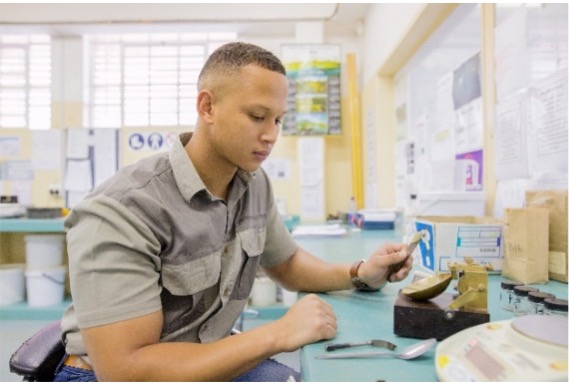
Candidate engineering practitioners who attend SANRAL’s Technical Excellence Academy (TEA) receive materials training over three months at the laboratory in Struandale, Gqeberha. They also spend 21 months at the design academy and gain on-site construction work experience.

In 2020 three interns in the Engineers Representative on Targeted Enterprises (ERTE) programme received lab training. ERTE is a sub-division of the South African Pioneers of Transformation (SAPOT).

Kobus van der Walt, now retired Head of the TEA, said it was “excellent that the SAPOT interns received lab training. This is a great training place for them and SANRAL candidates to learn about materials used in road construction”.

Early childhood friends Ulrich Witbooi and Devon Anyster graduated in 2017 from the Cape Peninsula University of Technology in Belville with BTech degrees in Civil Engineering. Both are from Worcester, and before joining the materials training laboratory they worked at the TEA’s design academy, doing resurfacing investigation and design for the N2 Tsitsikamma Toll Road.

While at the lab, Witbooi and Anyster assessed and interpreted materials test results. They also gained knowledge of quality control, specifications, and construction techniques.

Anyster’s goal is to register as a professional engineering technologist. He also wants to further his education and obtain a Master’s degree in Engineering. Both of his parents are high school teachers.

His interest in civil engineering started in high school. “I enjoy what I do. Civil engineering is a challenging industry. So far, I have been very involved in SANRAL projects. The duration at the lab has been very informative. We can improve people’s quality of life through an innovative road network. This industry continues to inspire,” he said.

Witbooi is the first in his family to study civil engineering. “From a young age, I was intrigued by and interested in heavy machinery that builds something unique. Witnessing the use of heavy machinery building something amazing was the reason I ended up pursuing a career in civil engineering,” he said.

He has gained experience working as an assistant resident engineer and on numerous projects, including pavement layers, mass stabilised earth retaining walls, and culverts.

“I am inspired to make a difference in the lives of others. I want to inspire youth in the communities and inform them that anything is possible if you apply your mind,” he added.

In addition to the TEA candidates, ERTE interns also spend three months at the lab. They are among the civil engineering graduates who have been seconded on SANRAL projects since 2017 under the Southern Region. The project-based programme works with such graduates who have completed their Technical and Vocational Education and Training (TVET) institution studies.


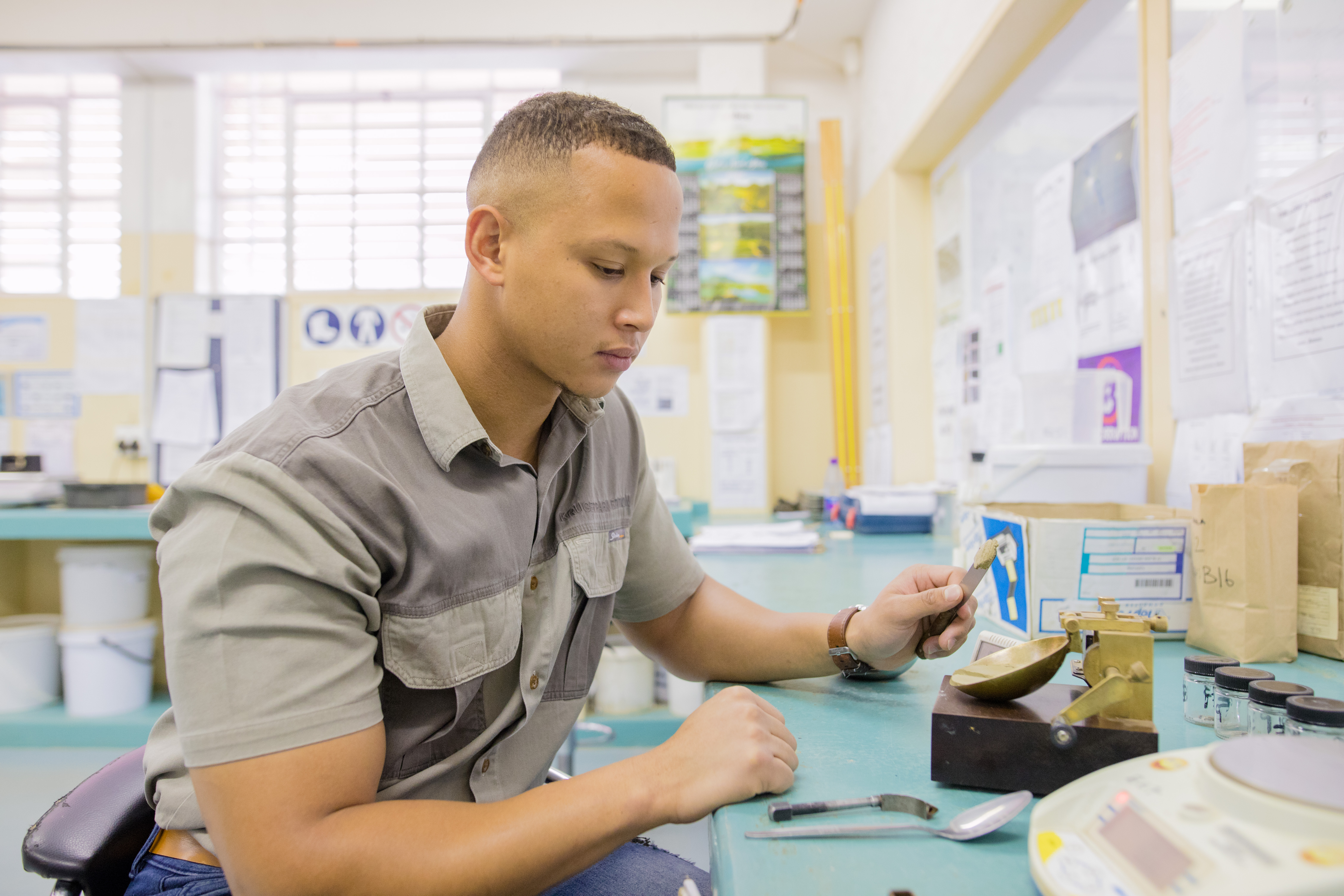
 Devon Anyster measuring the effect of wet and dry cycles on clay that is used in road layers.

Ulrich Witbooi determining the strength of sub-base and sub-grade materials.

Vuyiswa Novukela, a civil engineering college intern on SANRAL’s Southern Region internship programme, is on a two-year contract. She completed her education at King Hintsa TVET College in Butterworth.

Apart from spending time in the lab, she gained on-site experience on the R58 section 6 in Elliott working on erecting road signs, the R61 section 3 in Tarkastad where she did layer works for intersections, as well as stone pitching and drainage in Komani. Having sampled materials on site from the R62 section 7 between Joubertina and Kareedouw, she said she had learned about different road layers.

In 2021 she will work on the R56 project between Middelburg and Molteno.

“My family is proud of me. Education is important. It is going to urge me to take care of myself and not to depend on other people,” said Novukela.

Yonela Diliza from Mthatha is also a recent ERTE programme graduate and has gained field experience on SANRAL projects. This included the planning of road signs and drainage systems, as well as administrative work and quantity surveying, cold in situ recycling lab tests on the R391 project, and erecting guardrails working with SMMEs in Burgersdorp.

“While we were erecting the guardrails in Burgersdorp the SMMEs were tough on us. We had to dig holes, and it was hard work. However, I am glad I got to experience this type of work. Now I know about the hard labour that goes into putting up guardrails,” she said.

A new intake of candidates took place in February 2021.

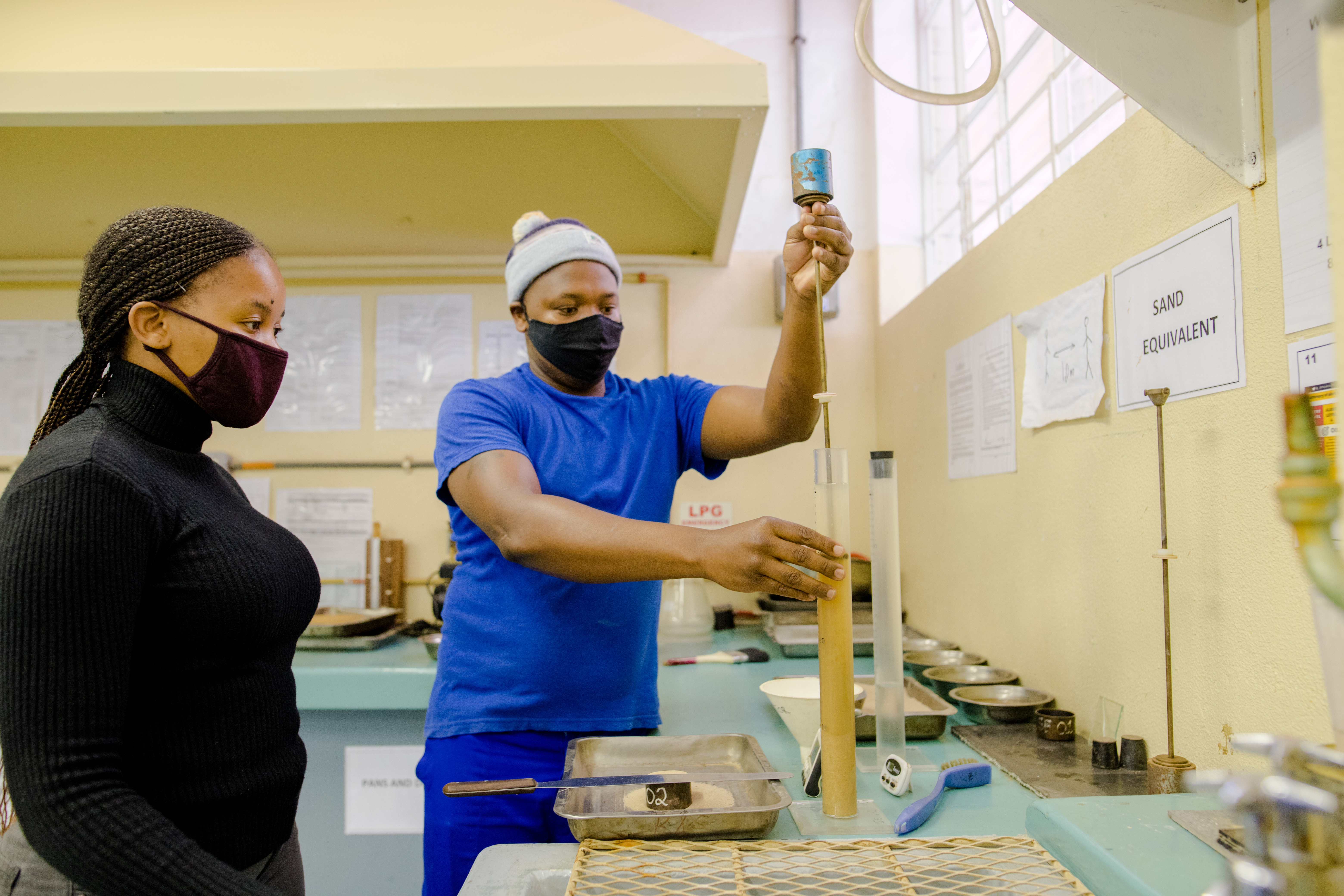
Yonela Diliza busy with a sand equivalent test while being supervised by MCI assistant materials tester Siphelo Saki.
The test is to determine  sand and clay in fine aggregate for manufacturing concrete products.


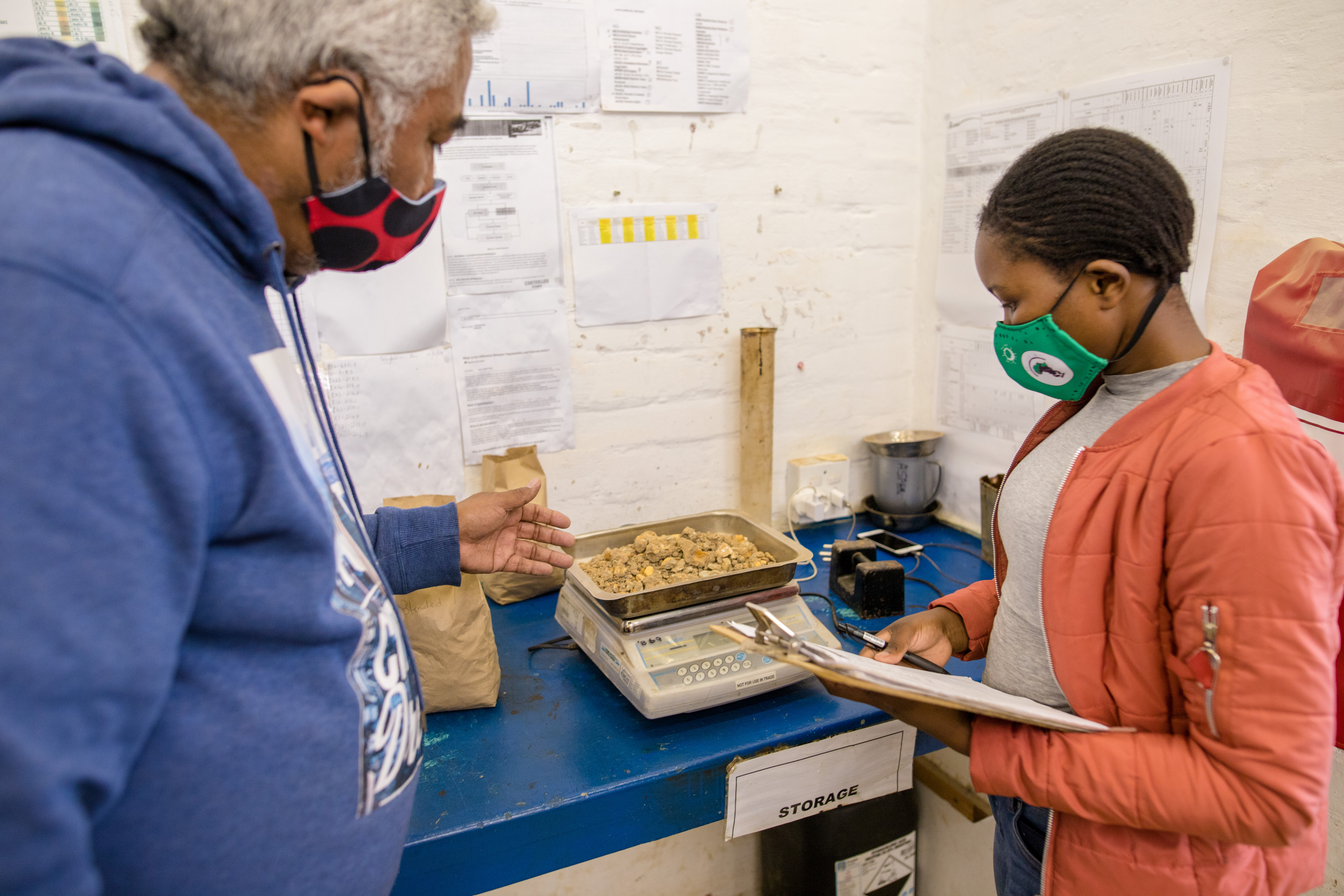
Lab manager Jeremy Dick supervises Vuyiswa Novukela while she determines moisture in a sample.


SANRAL to add machine learning to road safety arsenal


SANRAL’s Technical Innovation Hub (TIH) is currently probing the extent to which machine learning can be harnessed in the quest to improve road safety, reduce congestion and inform infrastructure development.

The TIH is at the forefront of harnessing technology to inform, improve and expedite road safety across the South African road network. The Hub draws from extensive research into industry best practices and collaborations with various stakeholders in the road safety arena, both nationally and abroad.

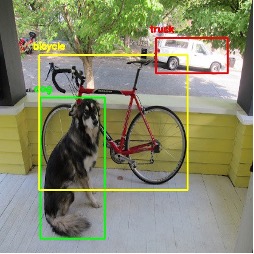
Mechatronic Engineer in the TIH Ruan van Breda explains: “Machine learning can be used to detect and segment objects within a camera frame. Each frame of a video is analysed as a still image. These objects can then be classified based on pre-trained image classifiers. Within the road environment this allows one to detect and classify different types of vehicles, pedestrians, different types of animals, cyclists, etc.”


The possibilities are infinite, based on what training data is available. There is already ample data for the abovementioned classification types. However, Van Breda explains that these genres can be further expanded through the creation of custom data sets and training classifiers, to be able to distinguish, for example, between slow-moving traffic and a road traffic crash.

This can also be used to create new classification classes based on unique experiences, or the requirements of the road authority (e.g. fire or protest detection, foreign objects such as rocks, tyre detection). This information can then be used to activate the appropriate response through the Road Incident Management System (RIMS), remedy the situation and inform road users – in real time.

One can also look at how these different objects interact with one another, for example to detect unusual vehicle behaviour such as a vehicle stopping on the freeway. One is also able to infer information about the interaction between multiple ‘objects’ such as cars and pedestrians.

If a vehicle is detected moving to the side of the road and coming to a standstill, and pedestrians are detected moving towards the vehicle and entering it, this can be classified as an informal pick-up. As more and more data is collected, these trends can aid road authorities with infrastructure planning, such as drop-off/pick-up points, or aid law enforcement to stop illegal pick-ups if this is considered a safety risk.

Technology of this nature also comes with significant risks. However, all efforts are being made to understand how to use it effectively while maintaining strict compliance with legislation regarding the privacy of road users. Some ways to mitigate potential privacy risks are through strict security and access controls. Data can also be anonymous at the point of capture. After all, the intention is not to observe individuals, but to identify trends and incidents to inform appropriate responses and interventions.


While this technology is still in the exploratory phase in SA, it already has tongues wagging in countries like China, where they use machine learning to incorporate facial recognition for law enforcement. They are able to identify the driver of a vehicle and instantly issue fines, if that driver does not have a valid driver’s licence. Fines can also be issued automatically for individuals who jaywalk or gain access to restricted areas.

As with any technological advances, there are pros and cons. For now in SA we are looking into and learning about the potential of machine learning.


Five major upgrade projects for the N1


In the Western Cape, SANRAL has identified the stretch of N1 from Old Oak to Worcester for a significant upgrade. This work has been divided into 5 separate projects, from Old Oak to Brighton Road Interchange, from Brighton Road Interchange to Koelenhof Interchange, from Koelenhof to Market Street, from Worcester-West to Worcester-East, and from Worcester-East to Glen Heatlie. After completion of the design phase, it is hoped that construction will start towards the end of 2022.


TRAC drives growth in eMakhazeni


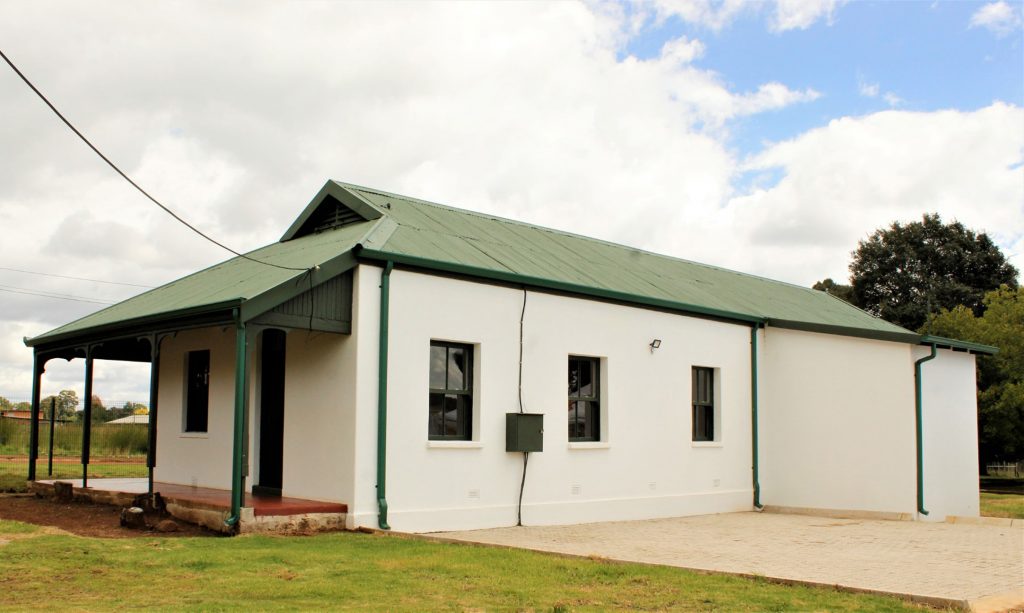
Trans African Concessions (TRAC) has made sure that members of the community of eMakhazeni are more easily able to take their Learner’s or Driver’s Licence, by refurbishing the Belfast Testing Centre. The R1.3 million project, launched in 2019, forms part of TRAC’s corporate social investment programme that assists communities along the N4 Toll Route.