
Blog

Wits sets up talent programme in association with SANRAL

We have partnered with Wits University to prepare students for an academic, social and psychological mindset to enable them to access higher education opportunities.
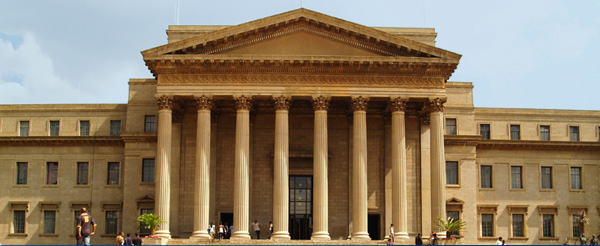
wits building

Students are enrolled in a three-year enhancement programme, which is funded by the Department of Science and Technology, the Industrial Development Corporation and BP SA. They follow a syllabus designed to prepare them for future studies at a university or other tertiary education institutions.
 

bp shutterstock


Students attend three contact sessions per year at the Wits Residential Academic Enrichment Camp. They receive tuition from top-quality university lecturers and additional support to improve their academic performance and prepare them psychologically for future studies at university.

academics


719 high school learners attended a two-week long camp in June 2013. They focused on subjects such as maths, science, engineering, research and computer science and also participated in various life skills, sports, dance and music appreciation activities. They were also taken on an excursion to the Apartheid Museum in Johannesburg to increase their understanding of South Africa’s history.

We received positive feedback from the students who had high expectations of the programme and expected that it would benefit them by developing their study skills, motivating them to study harder and improving their school marks.

Our approach is for communities to receive lifelong benefits that contribute to a better life. We want students from under-resourced schools and communities to improve their studies, and are able to do so through this programme.

Nelson Mandela Bay Investor Seminar

SANRAL experienced a great amount of success at the Nelson Mandela Bay Investor Seminar in Port Elizabeth.

Our goal was to educate the public about SANRAL’s community development, careers and bursary programmes. We also shared interest in app building and ensured the public they were ahead of the technological trends for their mobile devices.

With focus on such trends, we hired two IT developers to help develop the app. Their strength lies in web and software development, and when asked about the new value they offer, they spoke to visitors about the new focus it will bring for road users.

Motorists often call in to ask about the state of the roads before they set off on a trip, especially during peak holiday seasons or during bad weather.

If this app is accepted and officially commissioned by our head office, it will be the first of its kind in South Africa, keeping SANRAL technologically ahead in terms of user friendly service.

Information is already available on the website and the app will need to be compatible with all our platforms.

The Investor Seminar offered dialogue and insights to local business, with top speakers in various fields sharing their knowledge and insights.

They will update the public with the progress of the app and ensure they have access to it.


Changing lives and giving opportunities to youth

Boosting one’s career can sometimes be a challenge. You spend countless hours giving your time and energy to an apprenticeship or internship and are often unsure of where it will lead.

However, this is not the case with young engineer, Gideon Machete, who has had assistance from SANRAL in the form of a bursary, as well as hands-on experience at the Centre of Excellence in Port Elizabeth.

Joining Machete on his career journey is 11 other fortunate graduates. The Centre of Excellence Design Academy offers individuals from around the country a formal in-house training programme which allows for career development and growth. Their four years of studying opens them up to a whole new sphere of application and design.

The Academy was established to facilitate and advance their careers by providing experience on real projects. The Centre of Excellence offers graduates a workflow that will build up their experience and ensure they meet professional standards.

The programme lasts between 12 to 18 months, depending on their previous field experience. Once they have finished the programme, they begin on construction sites or gain additional experience in SANRAL projects around the country.

They are very fortunate to have the support structure surrounding them to assist in furthering their careers as the programme helps guide them on the right path.

Because SANRAL is responsible for the on-going maintenance, development and expansion of the South African national road network, qualified engineers are able to delve into different fields and become experts of the many engineering roles on offer.

The Centre of Excellence in Port Elizabeth not only provides intensive post-graduate training, mentorship and coaching but also ensures each individual has been exposed to a broad variety of disciplines.

Wetlands saved and upgraded during road upgrade

Construction was put on hold when we came into contact with a wetlands forest along the Kwambonambi intersection on the N2 highway, north of Richards Bay in KwaZulu-Natal.

As we progressed with our upgrade, we started an environmental impact assessment before construction. The assessment revealed that the upgrading would disturb a nearby wetland.

We approached the Department of Environmental Affairs who granted us authorisation for the upgrade, but it was on condition that the wetlands, including an indigenous swamp forest would be rehabilitated.

According to a report by Michelle Nel on the website wetland.org, there are two methods of rehabilitation – either stabilising the problem area and maintaining the present condition of the wetland, or trying to reclaim the wetland area that has been lost.

It is vital to make informed decisions when undertaking wetland rehabilitation and if you are ever in doubt, get specialist advice, for example, from the Mondi Wetlands Project or Working for Wetlands.

Some simple methods of rehabilitating wetlands include closing drains, fencing off sensitive areas to keep grazers out, and placing plugs in gullys.

All these methods will help wetland plants re-establish themselves and it is the plants that hold the magic key to the functioning of wetlands.

Wetlands and riverbank plants are vital for preventing erosion; they play a crucial role in the purification of water, reduce the severity of floods and regulate water especially during droughts. When the plants go, these valuable functions disappear.

Knowing the importance of wetlands, we got a botanist to survey the plants in the swamp forest to identify which ones to rescue.

The swamp forest patch was then removed to make way for the construction of the interchange ramp and a number of indigenous trees were removed.

Rehabilitation involved replacing alien vegetation with indigenous species.

Reducing SANRAL’s carbon footprint for a better future

We are aware of our duty to help reduce our carbon footprint.

4

  • We replace tar with asphalt, which is bitumen-based and environmentally friendly.
  • We recycle road construction materials whereby?aggregate, bitumen and asphalt is milled from old roads, reworked and used when they are upgraded.
  • We use solar panels and micro wind turbines to control adjustable messaging signs warning road users to problems ahead.
  • Our road construction and maintenance activities have an expected impact on the environment, therefore SANRAL’s approach is to lessen the impact of these activities with project-specific Environmental Management Programmes and interventions such as the use of Reclaimed Asphalt.
  • We ensure the country’s road infrastructure helps create a better life for all South Africans.
  • Our activities are monitored to ensure compliance with legislation and EIA requirements. This ensures appropriate environmental management work is done.

N7 Road of flowers

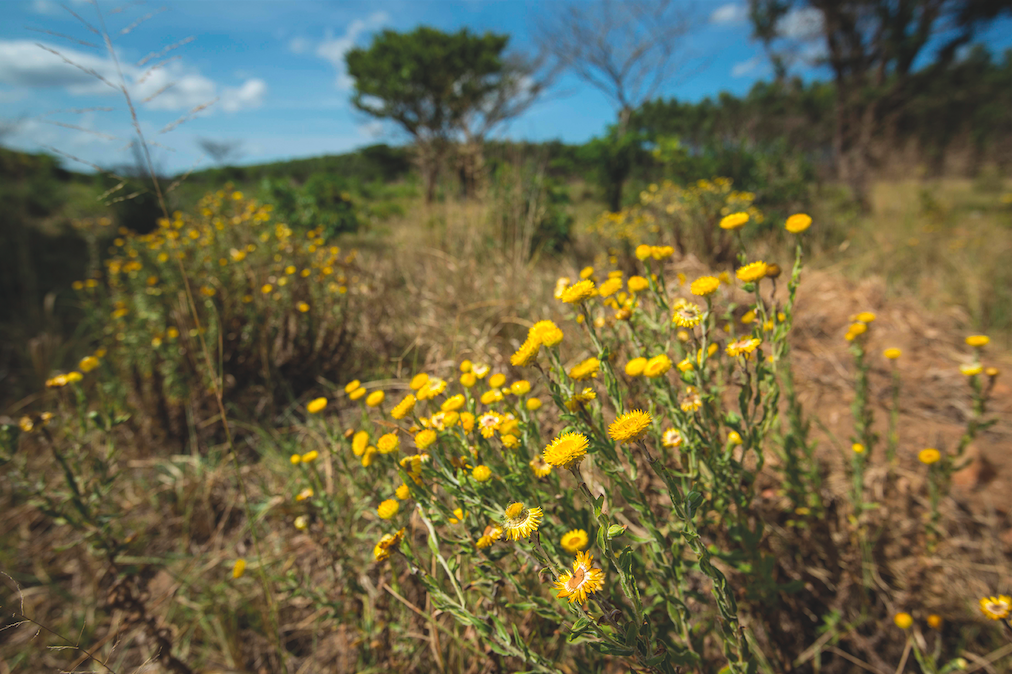
When we took on the upgrade of the N7 between Melkbos and Atlantis, we were very careful in looking after the Fynbos.

Fynbos is a kind of shrubbery and heathlands that is found in the coastal plains and mountains of South Africa. The name was derived from the Dutch word ‘ fijnbosch’ meaning fine leafed bush. This vegetation is a main component of the Cape floristic region, which has different forms of Fynbos, mainly karroid shrubland, renosterveld, various thicket types and forest.

3


Before we took on the project, we looked into the vegetation along the main route to Namibia before construction started. Because Fynbos has a high uniqueness and more than two-thirds of its species cannot be found elsewhere, it is essential that we preserve its habitat correctly.

Did you know, Cape Fynbos is more advanced than any other vegetation in the world?

To ensure the area was protected, a botanical study was done identifying an area of Cape Flats Sand Fynbos near the planned Melkbos Interchange that was also a transition?to the Swartland Shale Renosterveld variety.

We discovered that a substantial portion would be destroyed during the upgrade and would reduce the loss of this special species, which is on the critically endangered list. Fynbos is a highly threatened vegetation type with more than 2000 species. Major threats include invasions by exotic trees, agricultural and urban development, siviculture, climate change and frequent fires. They need all the help they can get.

They did not need to make a choice between upgrading the highway and improving traffic flows and road safety, or conserving the environment, but rather did some smart planning and adopted an alternative road alignment.

We were faced with making a decision between upgrading the highway and improving traffic flow or conserving the environment. We decided to do both, with the help of proper planning from engineers. Because of our dedication to the cause, me managed to save 25 000m2 of highly sensitive vegetation and preserve the great landscapes of surrounding Fynbos.


Keiskamma aloes saved

Aloe Ferox is the official plant of the Eastern Cape Province. In appearance, the leaves have a dull blue/green look to them with a slight reddish tinge. There are usually between five and eight branches, and each branch has a head of many candelabrum flowers. Aloe has a beautiful display, attracting many bird species such as weavers, starlings and sunbirds and grows in many weather conditions. It’s mostly used for medicinal quality and is in demand by people for their skin ailments, washing routines and beauty products.

aloe vera


In this instance, if it were to be damaged or removed, its farmers and the people who consume its by-products would be very upset.

In order to bypass this case, we preserved a large amount of aloes when they had to build a new bridge on the 23km of the N2 between the Green River and the Keiskamma River.

We requested a specialist study to be done by a botanist, which was conducted to analyse the realignment of the planned road upgrade, whereby the Keiskamma aloes could be saved.

Although aloes are found in many parts of South Africa, they are generally not threatened with extinction. However, the Aloe Ferox is the official plant of the Eastern Cape Province and warrants special treatment.

We need to balance our work with the natural progression of the environment. We know that roads can have a negative impact on environmental biodiversity as they fragment natural habitats, but we are doing our part in assisting nature with their plans.

This specific project preserved the region’s heritage as well as?its biodiversity. The old stone-pitched storm water channels were not destroyed, but rather merged into a new design, preserving the look and feel of the Keiskamma River crossing.

A thousand plants were unaffected by construction and the rest of the habitat in unaffected areas were protected.


Trout rescued with artificial fish ladder

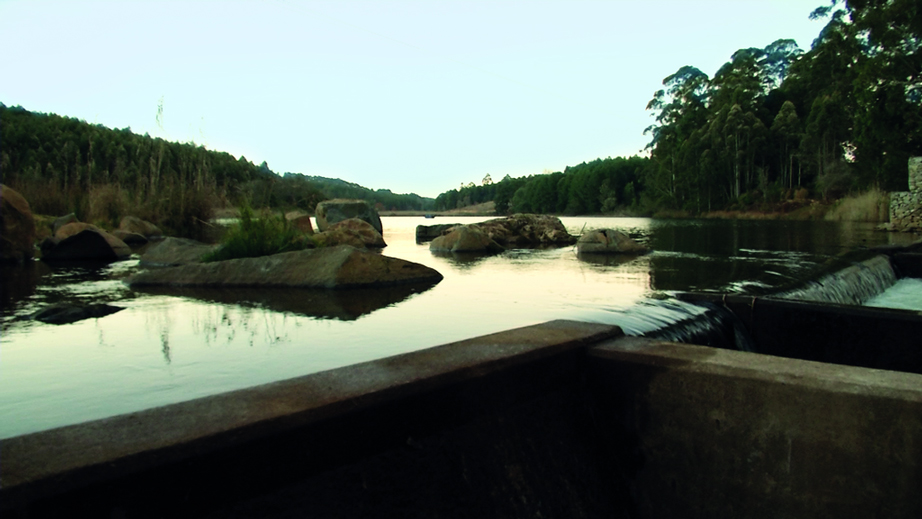
We are in charge of a new rehabilitation programme that allows for fishes to survive disruptions to their environment. In order to do this, a fish ladder will be created.

A fish ladder is also also known as a fishway, fishpass or fish steps. It is a structure on or around artificial and natural barriers such as dams, locks and waterfalls, to facilitate fishes’ natural migration.

fish_ladder


On completing the ladder, we brought relief for motorists in Limpopo and have saved the trout in the area too. The way in which we approached this was to accommodate both the rehabilitated road and the fishes in the surrounding lakes. When asked to take control of the road rehabilitation on a major regional road in Limpopo near Stanford Lake College, we noticed that the bridge was too small to accommodate the rehabilitated road.

Upgrading the bridge meant that the trout would be cut off from their spawning grounds. Trout travel downstream during their lifetime but return to their place of birth when breeding. Because the water under the bridge was very shallow and spread out, they would not be able to swim upstream.

We are aware that trout fishing is important in the Haenertsburg/Magoebaskloof area, so our environmentally friendly approach was to add a fish ladder.

After the fish ladder was installed, the trout were able to swim and jump upstream to begin the cycle of their lives again.

Even though we are in the nature of building, upgrading and maintaining roads wherever it operates, it is very careful to take the environment into account, which is evident in their initiative in setting up a fish ladder.

N3 De Beers Expressway closer to realization

The De Beers Expressway connecting Keeversfontein in KwaZulu-Natal with Warden in the Free State is close to being completed.

When a new road of a certain size is built, there are many environmental requirements that need to be met. These include obtaining permits and doing an environmental impact report.

For the planned De Beers Expressway, 21 specialist studies were accepted. For this specific road to be built, an array of issues needed to be resolved before they started.

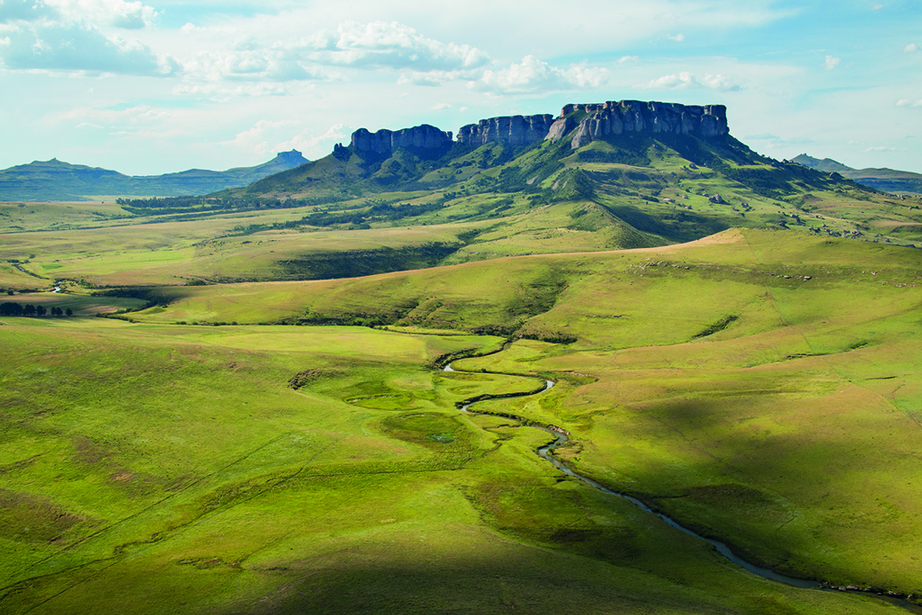
The planned route will pass through a wetland area and affect local flora, fauna and birds.

In order for the expressway to be built, The Department of Water and Sanitation and the South African Heritage Resources Agency are contacted to ensure we have met the guidelines. Due to the amount of mammals, fish, birds and plants living in sections of wetlands, special measures are to be taken to help release each living species into another area.

Rare and endangered plant species will be removed and positioned in an on-site nursery and replanted elsewhere.

de_beers_countryside

Tunnels and bridges will be designed to provide sufficient space for animals to access under the road and noise barriers will be constructed alongside the road so they won’t disturb feeding, roosting and breeding of birds.

According to the City of Joburg’s bylaws, no person may climb upon, break, damage or in any way mark or paint on any tree on any public road within the municipal area of the Council, and no person may, without the prior written permission of the Council, lop, top, trim, cut down or remove any such tree unless the person is authorised to do so in terms of these by-laws or any other law.

So when trees need to to be relocated, we have to get permits in line with the National Forestry Act.

We also needed to ensure that we are in line with The Agricultural Resources and Biodiversity?Acts, which require the removal of alien vegetation so that the plants do not take over.

The De Beers Expressway faced a series of issues during construction, however we put an Environmental Management Programme together that ensured we were following the bylaws and the completion was done within guidelines of The Agricultural Resources and Biodiversity?Acts. In future, we will make sure a programme is always drawn up if we ever face similar issues like this again.


Sun power for Toll Plaza

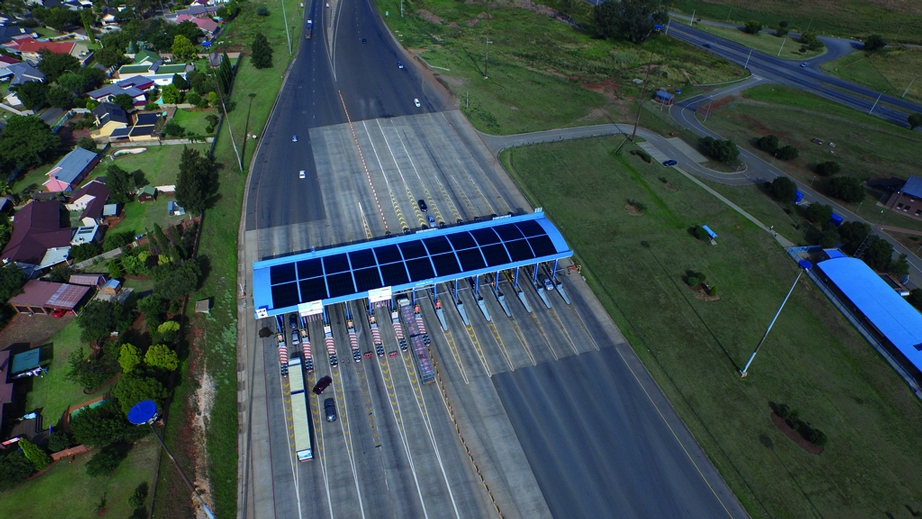
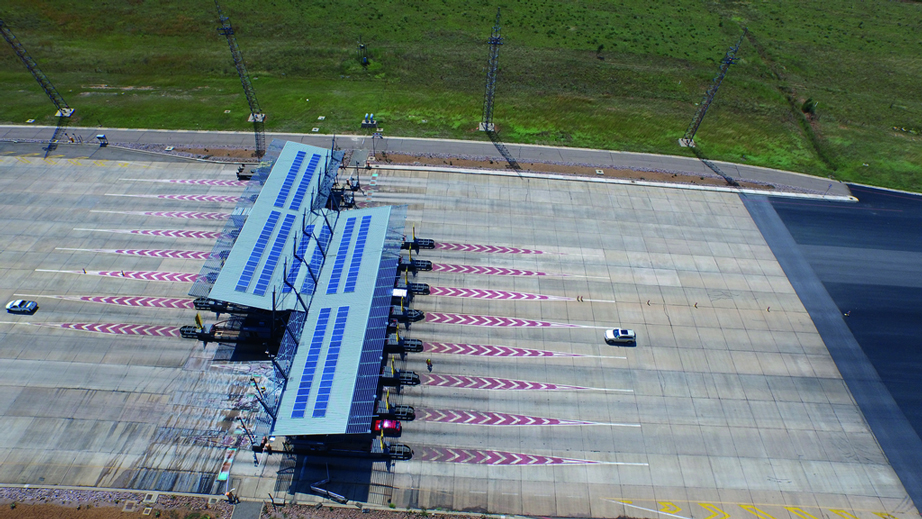
Going off the grid is an ideal scheme when it comes to power usage. This was the focus when it came to the Dalpark Plaza on the N17 near Boksburg on the East Rand when we decided to use a solar plant to provide power for all toll operations.

However, using solar panels for a toll plaza is not a new concept. In December 2013, Zimbabwe installed the world’s first plaza without a grid connection.

The plaza is about 20km from Bulawayo and gets most of its electricity from the solar panels that roof the lanes and collection booth. They charge two battery banks for night-time power and diesel generators have been installed as a back-up incase there is less supply in winter, when there are fewer hours of daylight.

sun_power_2


Dalpark plaza is running completely on solar power and managed to do so within our budget.

When the panels were installed, we ensured proper testing was done so they could withstand weather conditions such as wind, rain, sunlight, heat, cold, salt and hail, as well as prepare against areas of theft.

Dalpark is an extension of our commitment to the environment and the country’s green energy drive. This product is a sign of how we intend to proceed in the future.

sun_power_1


We are aware of the impact road building has on the environment and know that land is transformed, water resources are affected and used, substances are released in the air and waste is created. We take all of this information into account and aim to ensure we are contributing to a sustainable development.

Now that we have managed to solar power the first toll plaza in Gauteng, it makes way for possibilities in other regions too.