Blog

Roads are vital for the country’s future economic growth – President Zuma

Travelling is fulfilling, and more worth the time when going on vacations, and sharing picture moments and memories.

SANRAL is a state-owned agency responsible for the planning, design, construction and maintenance of the national road network and will play a decisive role in the provision of the strategic infrastructure required to achieve the 5% economic growth rate envisaged by government.

With a broad theme “Moving South Africa Forward,” state President, Jacob Zuma, emphasised that the National Infrastructure Development Plan continues to be a “key job driver and catalyst for economic growth.”

Zuma also said road improvement and the expansion of transport networks is a priority focus area of the country’s plans to invest more than R4-trillion in strategic infrastructure and this “augurs well for economic growth.”

In the coming year the Department of Transport will spend about R11 billion on the upgrading and maintenance of roads which are not tolled – and a further R9 billion on the Sihamba Sonke programme, intended to maintain provincial roads. SANRAL is increasingly responsible for the upkeep of provincial roads at the requests of provincial governments.

The President’s remarks were also reflected in submissions recently made by SANRAL and the Department of Transport to the Review Panel appointed to consider the impact of e-tolling in Gauteng.

The Minister of Transport, Ms Dipuo Peters stressed the fact that road funding policy is determined by Government and SANRAL is the implementing agency which operates and manages the 21 403 km national road network.

SANRAL receives the bulk of its funding from the fiscus but it is also required to generate additional funds through the issuing of bonds and other borrowing instruments to fund its tolled roads portfolio. This debt is, in turn, serviced by means of toll payable by users who make use of the modern and well-maintained toll roads.

In his address to Parliament, President Zuma said the government will spend about R6-billion in 13 cities in the country during the next financial year to plan and implement integrated public transport networks. SANRAL has already played a role in helping with integrated public transport networks in that it was the implementing agent for construction for the Tshwane Rapid Transit, A Re Yeng bus system.

SANRAL steps in to ensure safety at Erasmusrand Pedestrian Bridge

There are 8,735 bridges and culverts in South Africa.

These bridges are inspected every five years as part of a maintenance plan by route checkers, regularly checking for any defects. This is extremely important as if they are not checked, the damage to them could be catastrophic.

The Erasmusrand Pedestrian Bridge in Pretoria East has been discontinued for use and temporary measures have been put in place for pedestrians. The Bridge, used mostly by the Waterkloof High School learners, was quickly stabilized to avoid any possible collapse. On average, about 620 pedestrians use it on a daily basis during the week.

SANRAL’s Bridge Network Manager, Edwin Kruger, received a call from the City of Tshwane and told of a serious threat to users. Kruger quickly activated an emergency plan because people’s lives were in potential danger should the bridge collapse.

Engineers from SANRAL were quickly messaged to the area to assess the extent of the damage and it was decided that the bridge had to be closed immediately in the interest of road safety. Northern Region’s project manager for Ops and Maintenance, Oakley Van Eyk, said his team would investigate whether it was economical to repair the damaged bridge or build a new one completely.

He also said building a new bridge of the same size as Erasmusrand could cost SANRAL about R20 million, which includes the cost of managing traffic. On top of that, it would be a huge task to remove the bridge from a 10-lane highway, however, his team is still conducting a feasibility study to determine the best option, which could take three to six months before a new bridge is finalized.

It is not clear yet what the cause of damage is, however, over-height and over-wide vehicles were often the cause of damages to bridges and Van Eyk said this is a huge problem in the country and policing them is also a challenge.

SANRAL fails to raise its bond auction

SANRAL’s ninth bond auction, since e-tolling began in December 2013, did not go as well as expected when it failed to raise its targeted R600 million on 4 February.

The non-payment of e-tolls is the main reason for the roads agency’s credit outlook, while the non-portfolio, which covers 85% of the national road network, remains healthy.

SANRAL’s CFO, Inge Mulder, says they only managed to raise R400 million at acceptable spreads. However, spreads widened because of the increased risk as to pay out even though payment is guaranteed. The total bids offered were R621 million with even wider spreads.

This is how the R400 million was allocated:
Hway23- R200 million @ 33 bps (CPI linked)
Hway24- R200 million @ 33 bps (CPI linked)

This is a result of continuous uncertainty regarding e-toll as well as the recent change in outlook by international ratings agency, Moody’s, from stable to negative.

The government guarantee provides sufficient confidence to investors, to still invest to a limited extent in SANRAL. The risk in timing of receipt of their funds is, but the risk in timing of receipt of their funds is addressed through the widening of spreads.

Mulder said that the uncertain policy climate around e-tolls and the resulting increase in cost of borrowing has impacted negatively on the confidence of an investor. If SANRAL is unable to pay its debt, there is a possibility that investors would demand the full debt repayment of R42 billion.

Government will have to borrow the funds and as a result, increasing the deficit which may lead to further downgrades.

Watch as Inge Mulder explains

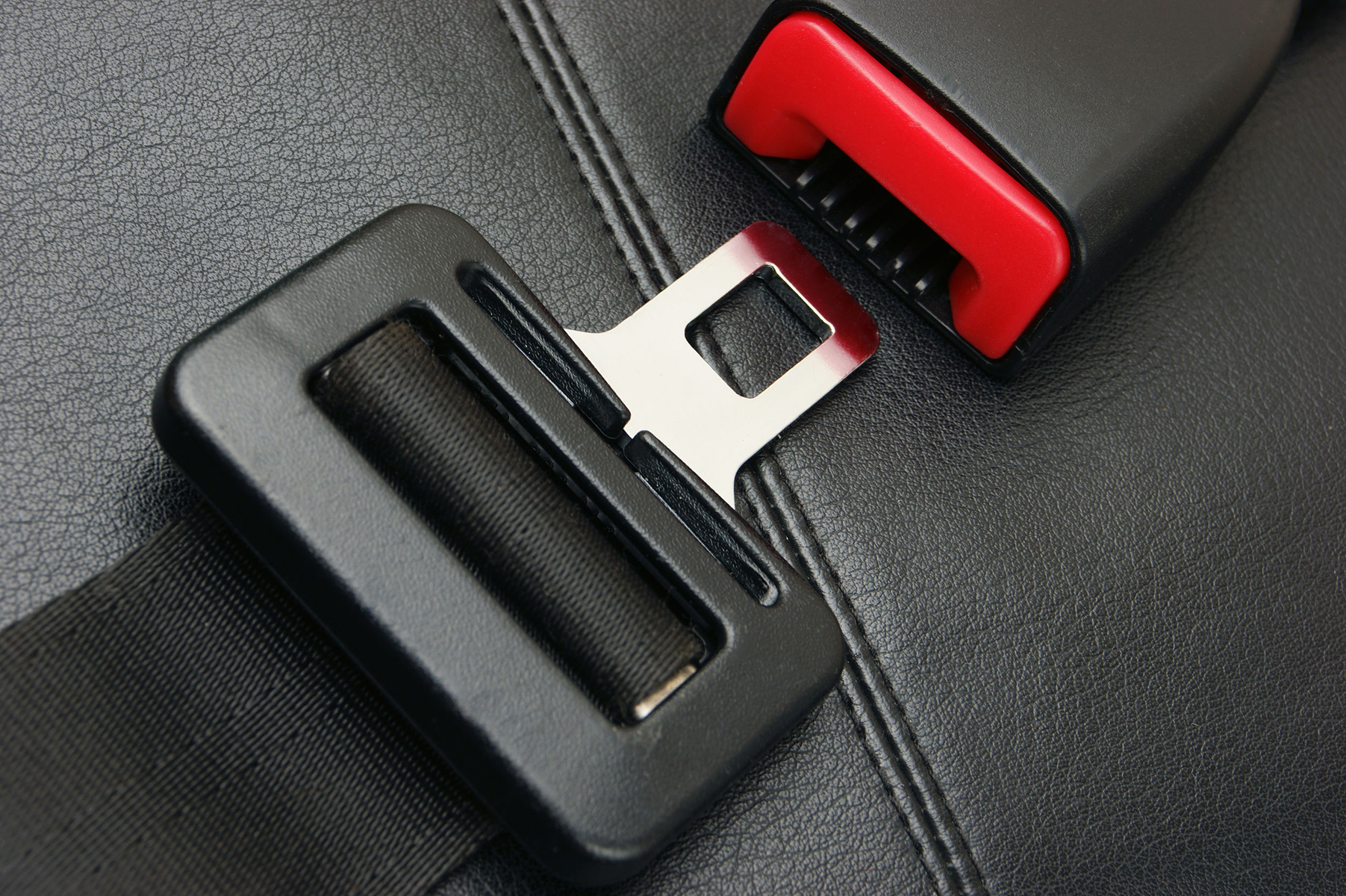
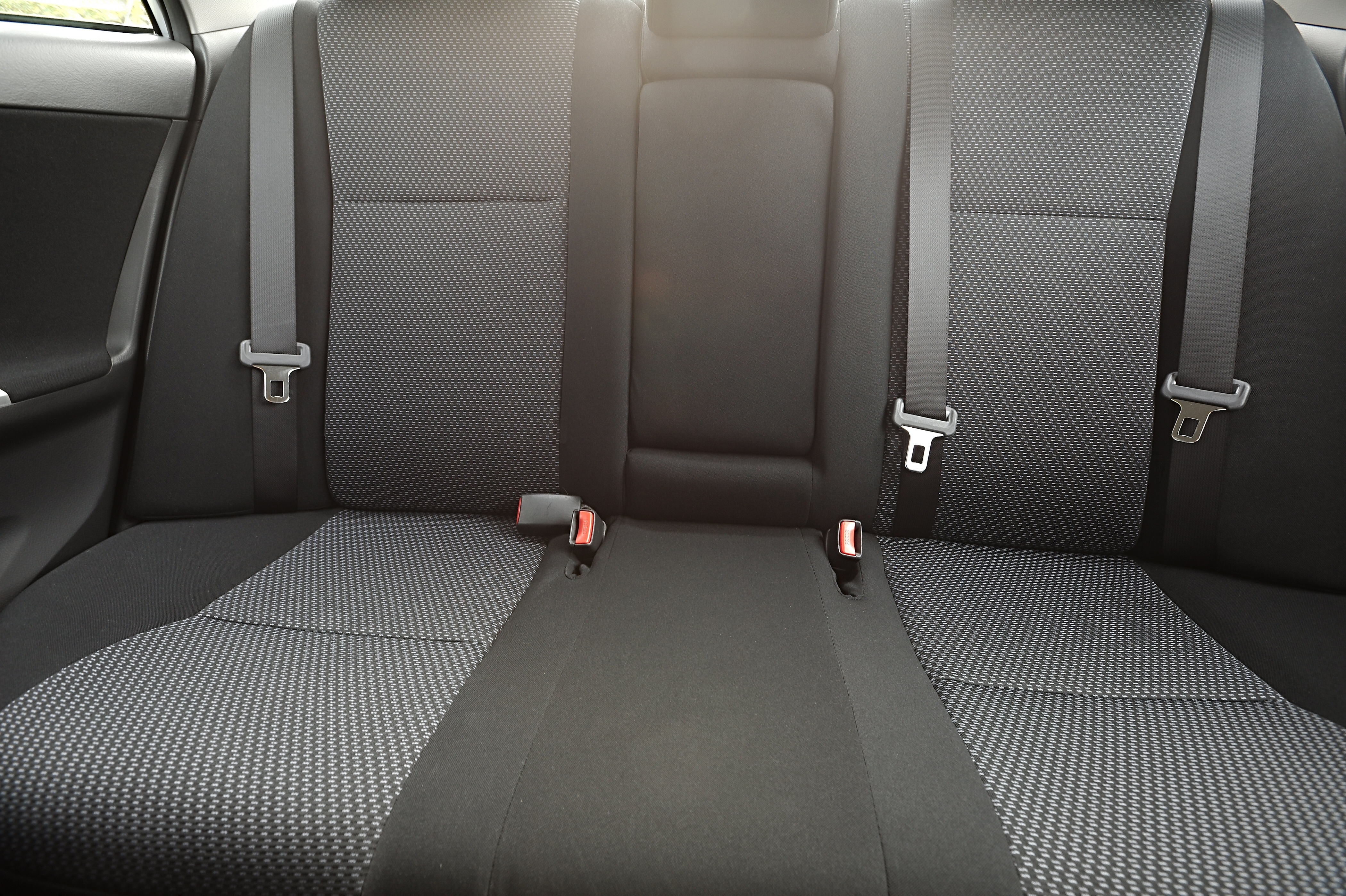
Protect your children in vehicles

The safest place children should be placed in is in the centre of a back seat vehicle, using a lap-and-shoulder seatbelt or a child’s safety seat.

Research has revealed that child safety seats can reduce injury to babies by up to 70% and by up to 50% in older children. This is because at the moment of impact, unrestrained occupants of the vehicle collide with each other and with the inside of the vehicle, slamming against headrests and the sides of the car.

Charmaine van Wyk of Bakwena addressed that it is important for parents to realize that holding their children on their laps or allowing them to play on the back seat is not appropriate as they may end up going through the windscreen.

According to South African law, children between the ages of three and 14, being transported on the road, must be restrained in car or booster seats in a vehicle. In a case where a special safety seat cannot be provided, children must be secured using the vehicle’s seatbelt. If there are no seatbelts, they are to sit in the back of the vehicle.

Children older than four years or those weighing more than 18 kg no longer need a car seat; but a booster seat positioned at their shoulder level, which allows them to see out the windows and protect their heads and necks from partial head-on or side impact collisions. Babies who weigh less than 9 kg can be placed in a rear-facing seat, in which they lie flat, to protect their bones and spine in times of an accident.

From April 2015, the law will require children under the age of three years to be buckled into car seats. Even when a vehicle is fitted with airbags, they can be dangerous to children under the age of 13 years. The force is enough to cause head injuries and they should not sit in the front seat.

Parents must fully take the initiative to ensure their children’s safety in moving vehicles.

SANRAL accommodates Boeing aircraft move on a major highway

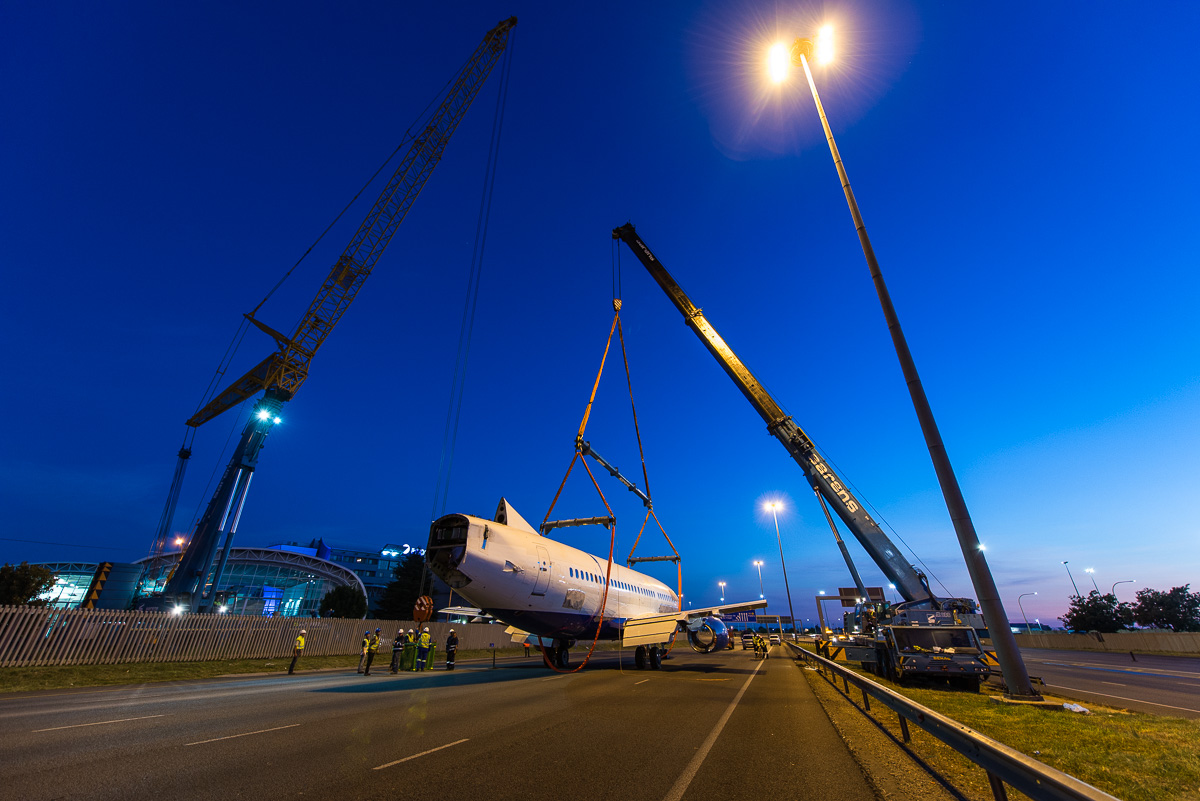
On 25 January 2015, SANRAL assisted the Comair/British Airways in moving a decommissioned aircraft across a major highway.

The aircraft needed to be moved to the Comair/British Airways training centre where it will be used to train cabin crews in a true-to-life environment. Traffic was disrupted on the R21 for the period of the move between 22h00 on Saturday to 10h00 on Sunday.

The plane, and the rigging equipment, weighed 32 tons and four cranes, a 100 tonne, 200 tonne, 400 tonne and 500 tonne, were required to make the move. The move required closed lanes and the highway was narrowed by lane closures to accommodate the equipment and people needed for the move. At the time the aircraft was being lifted over the highway by a series of cranes, traffic was stopped for approximately 30-40 minutes on three occasions.

The team that moved the Boeing Almost there

Capt. Glen Warden of Comair said that this is the first time this has been done in this country. To move an entire aircraft across a national highway is a mammoth task. He commended SANRAL for its fantastic assistance in managing the traffic on the roads.

SANRAL closed lanes in a planned sequence so as not to disrupt motorists too much, get the plane across the highway and keep road users safe. Regional manager of the Northern region, Ismail Essa, said the operation was an unusual one but they ensured that road users’ safety was priority, and that traffic was not disrupted.

He also said there have only been three moves of such done worldwide as far as they know. This was part of SANRAL’s contribution to keep the economy moving.

Watch:

SANRAL participates in Annual Transportation Board Meeting

This week SANRAL will participate in a high-level annual meeting about the Transportation Research Board in Washington D.C.

The meeting will cover topics on transportation modes and will attract more than 12,000 delegates and 5,000 presentations with 800 sessions from key players in the transport industry, including policy makers, administrators, researchers, practitioners, government and academic representatives.

Accompanied by SANRAL CEO, Nazir Alli, the delegation will include the renowned incumbent of the SANRAL chair at the University of Stellenbosch’s Civil Engineering Department, Professor Kim Jenkins, who will showcase the transport agency’s efforts and latest technological developments on pavement engineering.

The new innovative South African Pavement Design Method (SAPDM), developed by specialists on the roads and the South African Pavement Engineering Manual (SAPEM), which is the flagship initiatives aimed at best practice in designing pavements in South Africa, will be presented to the international community key initiatives that the delegation has undertaken, such as the development of methodologies and solutions through pavement engineering for supporting the local economy, material testing, quality and laboratory management and the different methods used in the construction pavements.

According to Jenkins, the Pavement Design Method has pushed research boundaries to incorporate relevant, advanced technologies that will provide robust and refined pavement structures that can incorporate innovative initiatives.

In addition, the Engineering Manual is a reference and best practice guide for all aspects of pavement engineering. It provides explanations of the basic concepts and terminology used in pavement engineering and stands to benefit the young practitioners as well as experienced engineers who seek to explore new technologies.

SANRAL will also align itself with the conference’s theme: Corridors to the Future: Transportation and Technology, by demonstrating how it integrated technology as one of its core pillars into South Africa’s roads system.

Tolling Policy Does Not Cause Road Decay

SANRAL’s response to the Automobile Association’s (AA) article, titled Tolling Policy Causing Road Decay (dated 18 November 2014), should be viewed against the background of the South African Government’s assertion that transport is the heartbeat of economic growth and social development that should be underpinned by a world-class road infrastructure network.

SANRAL views the assertions made by AA as not only dogmatic, but also exceedingly distorted. Consequently, SANRAL maintains by its statement that all matters related to the development, modernisation and maintenance of South Africa’s road network is embodied within government’s overall policy and strategic framework, particularly the Department of Transport’s Road Infrastructure Strategic Framework for South Africa.

It is worth mentioning that SANRAL today manages a national road network of about 21 500 km, which is expected to grow to 35 000km in the near future. This is in stark contrast to the road network of less than 530km that National Government was responsible for prior to 1994. About 15% of this road network is tolled road and 85% is non-tolled, funded from the national fiscus to the value of R11 billion. Consequently, the assertion made by AA that SANRAL only gives priority to tolled roads is factually incorrect.

Moreover, there has been an encouraging trend over the past years where provincial governments and municipalities have handed over some of their roads to SANRAL to manage. This does not only illustrate increased confidence in SANRAL as a reliable state agency, but also dispels AA’s claim that South Africa’s tolling-orientated road funding approach is accelerating the decay of non-tolled roads and that there is inadequate municipal road funding at provincial and local government level.

RESPONSE TO AA ARTICLE ON ROADS FUNDING AND BUILDING

It is simply not true that South Africa does not have a national roads policy. In South Africa, we recognise that transport is the heartbeat of economic growth and social development. We also acknowledge that this has to be underpinned by a world-class road infrastructure network.

The development and maintenance of this network is an integral part of the government’s massive infrastructure development programme. It also forms part of the Department of Transport’s Road Infrastructure Strategic Framework for South Africa. Therefore, there is absolutely no way a person can make such a misleading assertion that South Africa does not have a roads policy. Everything related to the development, modernisation and maintenance of roads happens within the policy framework of government. The actual work might be done by government agencies such as SANRAL, but the overall policy and strategic framework is set by government.

It is also not true that the government is only giving priority to roads that can only be tolled so as to generate revenue from road users, at the expense of other roads. If you look at statistics, prior to 1994, the Department of Transport was responsible for a road network of less than 530km. In 1998 SANRAL was established to manage the national roads. Today, the agency is managing about 21 500 km of the national road network, and this is expected to grow to 35 000km in the near future.

Over the past 5 years, SANRAL has spent close to R62b for new works, rehabilitation, improvement and various maintenance cycles, which in real terms, is unmatched in the history of South Africa. Furthermore, SANRAL continues to work on its objectives of expanding the national road network; delivering safe, reliable and world-class network, seeking other methods of funding and improving the safety of road users. All these require massive cash injection.

It is also worth noting that about 85% of the national road network is non-tolled and therefore funded from the national fiscus to the value of R11b. Tolled roads only constitute about 15%. In addition, SANRAL has entered into private concessions with other companies to manage tolled roads on its behalf. SANRAL and these concessionaires raise money on capital markets to support development and maintenance of toll roads. The toll and non-toll roads are operated as separate portfolios, with no cross-subsidisation permitted.

Over the past few years we have seen a very interesting and encouraging trend – provinces handing over some of their roads to SANRAL to manage. SANRAL is well-positioned to manage such a huge road infrastructure, because of the human skills at its disposal as well as the agency’s technical know-how. It also shows increased confidence in SANRAL as a reliable state agency. However, most of the roads inherited were in a very bad state, and to bring these to acceptable and world-class conditions will take time and will require money.

Therefore 85% of SANRAL’s work is outside of e-tolling, and priority is not only given to tolled roads as the article alleges. SANRAL is working alongside the Department of Transport to implement the government’s top strategic priorities, of which road development, modernisation and improvement are an integral part. And all these happen within the country’s Road Infrastructure Strategic Framework.

Publiek moet opdok vir Outa se futiele vete teen SANRAL

Vusi Mona

Dit is Wayne Duvenage se eie keuse en goeie reg om gekant te wees teen e-tolpaaie in Gauteng, om ‘n organisasie soos Outa te stig en geldelike donasies van die publiek te bedel om sy vete teen SANRAL te finansier.

Maar hy het geen reg om die feite te verdraai nie en die waarheid te verswyg, veral as dit gaan oor hofsake waarin die land se regsprekende gesag keer op keer ten gunste van SANRAL beslis het.

Sedert Maart 2012 het verskeie regsgedinge oor wye aspekte van die Gauteng snelweg verbeteringsprojek (GSVP) voor verskeie howe gedien. Ses howe het hieroor beslis en nie minder nie as 17 regters het uitsprake gelewer. In slegs een geval is daar teen die regering (insluitend SANRAL) beslis – en hierdie beslissing van Regter Prinsloo in die Pretoria hooggeregshof is op appèl deur die grondwetike hof tersyde gestel.

In voetbalterme is dit vyf doele vir die GSVP teenoor een vir Duvenage en sy geesgenote – en selfs hierdie doel is met die ‘kykweer’ ongeldig verklaar.

Kom ons kyk, voorlopig, net na die regspunte waarop Outa en ander reeds die GSVP in die hof beredeneer het, en waar die uitsprake nie in hul guns van beslis is nie. Ongelukkig blyk dit dat Duvenage nie graag hierdie feite aan die publiek wil deurgee nie.

Duvenage versprei die onwaarheid dat die hof nog nie beslis het oor die wettigheid van die e-tol besluit nie. Dalk is dit omdat hy nog nie die uitsprake gelees het nie, of dalk is dit omdat hy nie die inligting aan sy befondsers wil erken nie.

Inderwaarheid, is daar in die uitspraak van die Grondwetlike Hof in Augustus 2012 waarin Regter Prinsloo se uitspraak omgekeer is, is die volgende bevind: “… die verantwoordelikheid om te bepaal hoe openbare bronne aangewend moet word lê in die hartland van die uitvoerende gesag se funksies en domein. In die afwesigheid van enige bewyse van onwettigheid, bedrog of korrupsie is dit die eksklusiewe mag en prerogatief van die uitvoerende gesag om beleid te ontwikkel en uit te voer rakende die finansiering van openbare projekte, onderhewig aan die begroting van die Parlement.”

Nodeloos om te sê dat die verskillende howe derduisende bladsye dokumente ondersoek het en dat Outa wat deur senior regslui verteenwoordig is, nog geen bewyse van onwettigheid, bedrog of korrupsie by SANRAL kon vind nie. In teenstelling met Outa, is SANRAL se bedrywighede in die openbaar en ontvang hy jaar na jaar ongekwalifiseerde verslae van die ouditeur-generaal.

In ‘n volgende saak het regter A J Vorster Outa se aansoek vir ‘n hersiening van die prosesse wat gevolg is vir die implementering van die GSVP as ‘n tol projek in die Pretoriase hooggeregshof met koste verwerp. Die hof het aanvaar dat een van Outa se lede – SAVRALA – reeds in 2008 interaksie met SANRAL gehad het oor die tol tariewe en die skema. Nogtans het hulle nie op daardie stadium, voor padwerke begin het, die hof genader om die tol projek te stop nie. Die hof was snydend oor Outa se bewering dat die e-tolstelsel padgebruikers ontwettiglik ontneem van hul eiendom, en bevind: “Ek het reeds beslis dat die GSVP skema wettig is en dat die verklaring tot tolpaaie nie op regsgronde hersienbaar is nie.”

Dit is hierdie uitspraak wat Duvenage na die appèlhof geneem het en waar hy weer verloor het. Volgens hom gaan dit oor ‘n “tegniese punt” maar dit was maar net een aspek van die hof se bevinding.

Met verwysing na die feit dat die besluit oor die GSVP tolpaaie reeds vyf jaar tevore geneem is, kom die hof tot die volgende slotsom: “Volgens alle aanduidings is hierdie opgegradeerde paaie van uitstaande gehalte (“truly magnificent”). Die voordele word hoofsaaklik geniet deur die motoriste van Gauteng maar dit bevorder die hele land se ekonomie. Dit kos egter R20-miljard. …. SANRAL is volgens kontrak verbind tot die onderhoud van die tolpaae met die veronderstelling dat dit uit die tolgeld verhaal sal word.”

Twee verdere sake sou volg. Eers het regter J Jansen van die Pretoriase hof ‘n dringende aansoek van die Tolhek Aksiegroep van die hand gewys en die aansoekers gelas om die koste te betaal. En in Maart vanjaar het die Kaapse Hooggeregshof, by monde van regter J Rogers, alle onduidelikheid oor die grondwetlikheid van die e-tolstelsel uit die weg geruim, na ‘n aansoek van die Demokratiese Alliansie.

Die hof se bevinding was dat die wetgewing wat gelei het tot die e-tolbesluitneming op ‘n wettige wyse en ingevolge die voorskrifte van Artikel 75 van die Grondwet geneem is.

Maar, na vyf uitsprake ten gunste van SANRAL, weier Duvenage steeds om die gesag van die howe te aanvaar en hou hy aan om burgerlike ongehoorsaamheid goed te praat. Hierby voeg hy vae en ongetoetste bewerings oor “onregmatighede” en sogenaamde “wangedrag.”

Mens sou verwag dat indien Duvenage en Outa oor bewyse van onreëlmatighede beskik het, dit al voor die howe sou gedien het, maar sulke getuienis is nooit gelei nie.

Outa geniet dit om die openbare mening op te sweep maar dit is nou duidelik dat hy nie die wet of die reg aan sy kant het nie. Outa het in die verlede aangetoon dat hul R13 miljoen vir hierdie hofsake moes insamel. Dit is nou tyd dat Outa aan sy ondersteuners en befondsers verduidelik waarom hulle aanhoudend geld in hierdie bodemlose put moet stort terwyl hofsaak na hofsaak verloor word. Nou hoop hul om nog R5 miljoen in te samel om die wettigheid van die projek waaroor reeds in die Hooggeregshof , Appelhof en Grondwetlike Hof beslis is, weer na die hof te neem.  Waarom sal dieselfde howe nou anders besluit?

Ongelukig het die hele debat rondom tol van die opgegradeerde paaie in Gauteng die fokus verskuif van waaroor dit werklik gaan, naamlik om ‘n funksionerende deurpadnetwerk vir Gauteng te skep wat ekonomiese groei en werkskepping bevorder. Die debat moet eerder gaan oor hoe befonds ons die konstruksie van die 150 km se nuwe deurpaaie wat die provinsie oor die volgende 15 jaar benodig. Ongelukkig is die vertragings en frustrasie wat motoriste daaglik beleef het voor die padopgradering nou reeds lank vergete.

Vusi Mona is die woorvoerder vir die SA Nasionale Padagentskap (SANRAL).

The route to funding roads

Nazir Alli

Everybody agrees – roads are vital. However, building and maintaining them require funding. At this point, disagreement starts. Must they be funded by those using them, or by everyone whether they use them or not? Is the best funding model the fuel levy, tolls, concessions, or treasury allocations?

There should be agreement that the fuel levy is not an option, especially in the context of pushing back the frontiers of inequality, although that’s what the general populists and dissenters keep punting. That leaves us with three options on the table.

First, some background. What is being funded? And how much is needed?

At some 750 000 km, South Africa has the tenth longest road network in the world. The 158 000 km of the network that is surfaced, 38% is considered to be in good condition, 36% in fair condition and 26% in poor condition. For the remaining 592 000 km of the network that is gravel, only eight percent is considered to be in good condition, 25% in fair condition and 67 % in poor condition.

These roads are controlled by national, provincial and municipal entities. The national routes fall under the Department of Transport through the South African National Roads Agency SOC Ltd (SANRAL). They make up just under 2, 85% (21 403 km) of the total of 750 000 km, and 13, 55% of the 158 000 km surfaced network. These are the identified strategic and primary routes on which the economy relies for growth and job creation.

It is expected that in the coming years SANRAL’s writ will reach 35 000 km.

Which brings us back to the question: how should this be funded? But look first at what is needed. To maintain the condition of our road network according to international norms, which allows for maximum 10% of a country’s network to be in poor condition at any one time, requires an estimated budget of R58 billion a year. Besides this annual requirement from all levels of government to maintain the roads they control, R197 billion is needed to catch up with the maintenance backlog (roads in poor condition referred to above) and improve all roads to an acceptable condition. In this respect, the national roads agency needs R20 billion.

Then there is the capacity-related backlog in and around our major metropolitan areas. These are the roads that are reaching their maximum capacity during peak hour, resulting in increased congestion which in turn contributes to driver frustration, decreased safety on the roads and negative economic consequences. To alleviate congestion, additional lanes or new roads need to be constructed. For this the national road agency needs further R120 billion.

These are massive sums of money and if one takes into account that currently some 87% of all goods and services in the country move by road, it is really important to keep road traffic moving. In the light of the needs elsewhere in the economy, it is unlikely that funding at that level will be forthcoming.

More context: of the 21 403 km under SANRAL’s jurisdiction, only 3 120 km are tolled. This year the treasury allocated R11, 9 billion to improve and maintain the remaining non-toll roads, which is being spent as follows: R4, 4 billion on maintenance and R7, 5 billion to strengthen, improve and provide new facilities on this network.

The fact is that the percentage growth in the length of roads that SANRAL has to manage is not matched by an equal percentage allocation increase from the treasury – which means the agency must be innovative, smart and very prudent with allocated funds.

If one looks at the quality of the SANRAL roads, with only 11% in poor condition, it is meeting its mandate.

Of the toll roads, the agency manages 1 832 km – which includes the inner Gauteng highways. The remaining 1 288 km are managed, developed and maintained by three private concessions on behalf of SANRAL.

It must be noted that all the road assets remain in the hands of the national roads agency, and those managed by concessionaires have to be returned in the specified condition at the end of the concession period.

So any talk of even partial privatisation is just hot air.

SANRAL also issues bonds to raise money from institutional investors on capital markets. The monies raised are used exclusively to invest in its toll roads portfolio. There was a temporary setback in this respect when the implementation of e-tolling was at first delayed, but at present investors are reacting positively to the agency’s bond issues.

Which then leaves the fuel levy, which currently is R2, 24 per litre of petrol and R2, 09 per litre of diesel, and generating an estimated R43, 7 billion rand of income for 2013/14 after rebates.

The allocation from treasury for the current year is as follows:
• National (SANRAL) – R11, 9 billion.
• Provinces – R9, 7 billion.
• Metros and Municipalities – R17, 7 billion.
• Public Transport Subsidies – R5, 7 billion.

This aggregate of about R45 billion is allocated by national treasury for transport-related expenditure, actually exceeding the income from the fuel levy. Important to remember is that since 1988 the fuel levy is channelled into the national tax pool, from where all government expenses are defrayed – it is not ring-fenced for transport-related expenditure only. This provides national treasury with more flexibility in addressing changing needs within our country.

But why not change the appropriate law and ring-fence the fuel levy for roads only?

There are many reasons why this will not and should not happen. Keeping in mind the large sums of money required for road construction and maintenance mentioned above, it is obvious that the levy would have to rise between R1, 35 and R2, 80 a litre, depending on time frames in which current backlogs should be addressed –and go up every year, in line with the consumer price index (CPI) thereafter to compensate for cost increases and the anticipated decrease in the consumption of fuel used by newer vehicles.

That will hit the poor really hard, given the long distances people have to travel to get to work, in Gauteng nearly 64% of commuters rely on mini-bus taxis – the preferred mode of the poor – which currently receives no transport subsidy, yet is exempt from e-tolling. Increasing the fuel levy may result in increasing pressure from the taxi industry for a transport subsidy.

An important toll principle is that those who use a road should directly pay for it – the direct user-pay principle. In simple terms, if you live in Springbok, you will not pay for the road between Johannesburg and Pretoria if it is a toll road.

Also, a cost-benefit study has shown that those in the higher income brackets will be paying some 94% of the passenger vehicle toll, that is, those who can afford it.

We need to understand that the e-tolling system enables different tariffs to the charged for time of day and day of week, providing a mechanism to reduce demand during peak hours and thus for costly capacity upgrades – something that is not possible with the fuel levy.

Going the fuel levy route or waiting for the treasury to find the considerable sums needed, has a very simple and too often over-looked consequence – it would be virtually impossible to deliver large infrastructure projects in short time periods when they are needed – due to a very high fuel levy that will be required to achieve this. It also encourages people not to use public transport.

Tolling makes it possible to raise loans immediately, complete the work in short time period and pay over time – and those who use the road in the future help to pay the debt. With the fuel levy the current generation needs to pay in full for infrastructure that has a 20- or 30-year life expectancy, which may result in less infrastructure than needed.

Trying to find another way to fund the needs to keep our national roads at the current standard, is difficult. The route we have taken is a practical one in response to current realities, although it does mean that under-funding is a constant. Should the fuel levy become the only funding model, we may be facing the risk of diverting funding from other much-needed services, such as education or health. We believe this would be devastating to our national development goals.

Nazir Alli is the Chief Executive Officer of SANRAL.
What is ‘right’ in a constitutional state?

By Anton van Niekerk

Not everything is going well in South Africa – to put it mildly. I am not going to list all of our worries: there are enough such lists.

A central aspect of many things that the citizenry is wrestling with the authorities about, is a concern about the sustained application of law and order, and in particular, respecting and upholding our liberal-democratic constitution.

The latter is central to the concern about crime, about corruption (think particularly about the President and parliament’s apparent disregard of the constitution regarding the Nkandla-affair), the worries over affirmative action and the struggle in rightwing circles over language rights for minority groups at universities. In all of these disputes we hear a continuing and wishful refrain: ”Respect the laws on our statute book and apply them. Respect the constitution.”

We are a constitutional state – a constitutional system typified by the rule of law, i.e. a government by laws and not people. The constitutional state in its liberal-democratic form is probably the most important and valuable institution of the modern world (that is, Western European civilization since 1600). Before that time (and sometimes during it) we saw what societies look like which are not ruled by laws, but people – almost without any exception, despotic.

Stalin, Hitler and Mussolini are a painful 20th century reminder. Many aspects of apartheid equally remind us of this. One should therefore think carefully in a constitutional state before one begins propagating and doing things which undermine central aspects of the rule of law. It is in this regard that, in my view, we have to think again about the widespread rejection of the e-toll system in Gauteng, as it is presently done under the leadership of OUTA. Whatever else can be said about this controversial system, there is no doubt that it was legally implemented.

Despite disagreements as to whether the public was consulted enough, the system was legally designed and promulgated by the Gauteng legislature [sic]. The system was not designed illegally and just thrust down people’s throats.

I am the first one to recognise people’s right not to like the system. In a democracy we should also have the right to protest (in a legal way) against it. It is very likely that a different form of tax could have reduced the burden on the Gauteng public or spread it more evenly. It is simply true that the poor who often live far from where they work and are reliant on public transport (which will inevitably become more expensive as a result of the new system) will be badly affected. All these things are true.

It is likely that we have a kind of road- and transport tax here which has not been thought through properly and could be improved significantly. The question remains, though: what are we as the public doing when, fired on by organisations like OUTA, the protest against the new system takes the form of completely refusing to participate in it? What implication does this have for the rule of law? What happens in a democratic society when the citizenry simply refuse to abide by promulgated laws made by legitimate legislative bodies (like the Gauteng legislature)?

For most people in Gauteng the shortcomings of the e-toll system are probably clear and thus the call to civil disobedience is acceptable and popular. But we have to consider this a little more. If such civil disobedience is in order, what else can it lead to? Are we really prepared for all the implications? What do we do, for example, when a substantial part of the poor people of South Africa, fired up by the EFF or some other group, simply starts confiscating property (not just farms) left and right for its own purposes. Do we then protest in the name of the rule of law and legitimate legislation on our statute book – particularly in the name of the constitutional article which now protects property rights? Why should the reliance on the rule of law and the legislation which exist in a constitutional state be in order in such a situation but not in our current situation when we ignore the laws that enforce e-tolls?

One of the most valid critical comments on apartheid is that that system undermined people’s respect for the law. There simply were too many discriminatory laws on the statute book for which the majority of the population had no respect and which consequently were less and less applied. Thus an alarming, widespread climate of disdain for legality and laws was created – something, particularly in the phenomenon of crime and corruption, we still see twenty years after democratisation.

With the reaction to e-toll, we now see in the new democratic South Africa exactly the same phenomenon: people do not take notice of laws and thus contribute (perhaps unintentionally) directly to a climate of undermining the constitutional state. In a democracy we do not have to agree with the government. We can protest against unfair and unworkable laws and regulations.

But heaven help us if, on a massive scale, we start taking the law into our hands.

Then we all lose, not just the government. Then it is the end for all of us. People who ignore valid laws (even if they are laws that should be removed or improved) must count the cost of what they are doing and seek change in other ways – as should happen in a constitutional state.

(Prof Anton van Niekerk is Director of the Centre for Applied Ethics at the University of Stellenbosch. The article appeared in Die Burger on Tuesday 14 October 2014)