
Blog

Work starts on Msikaba Bridge’s deck


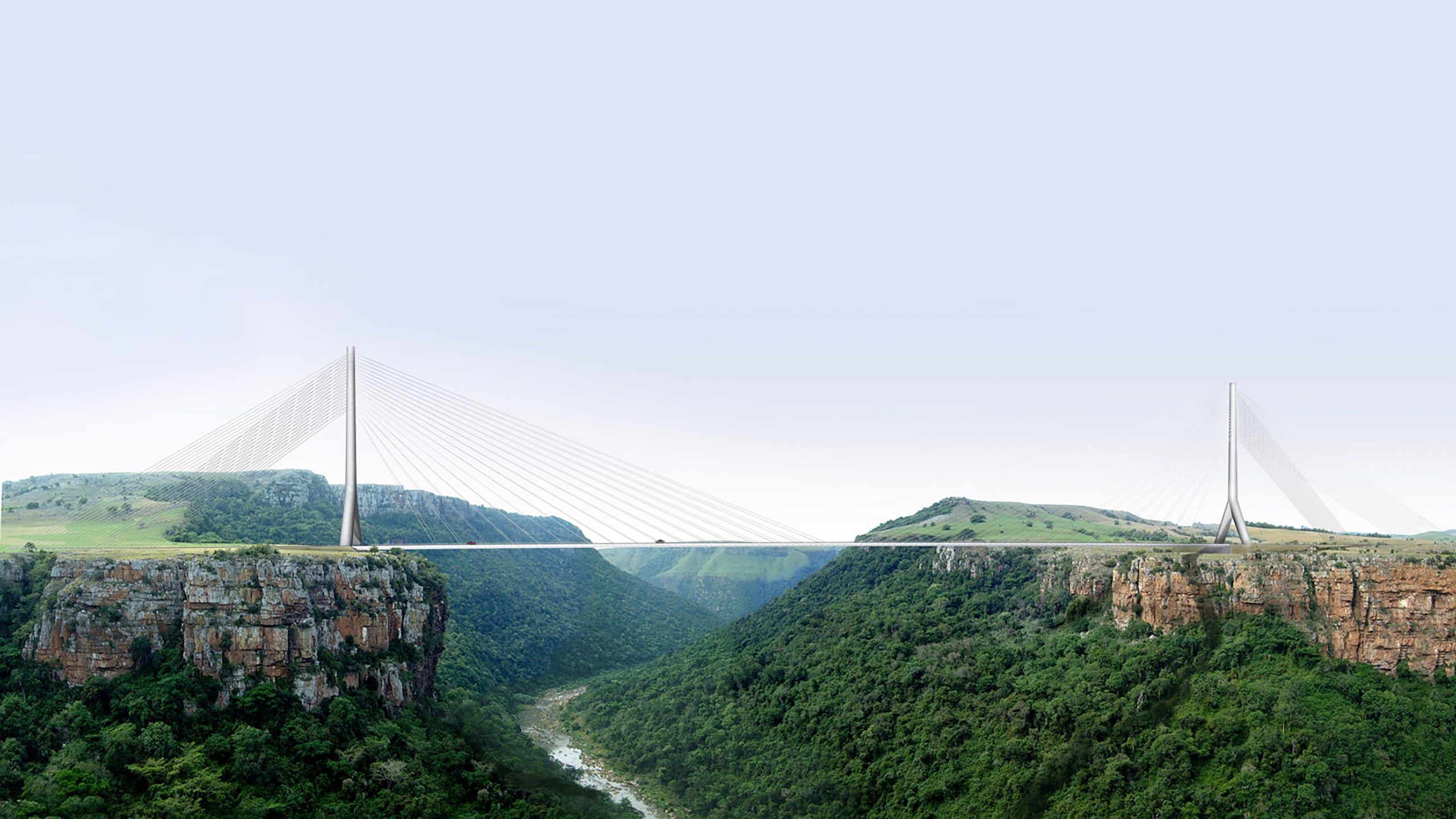
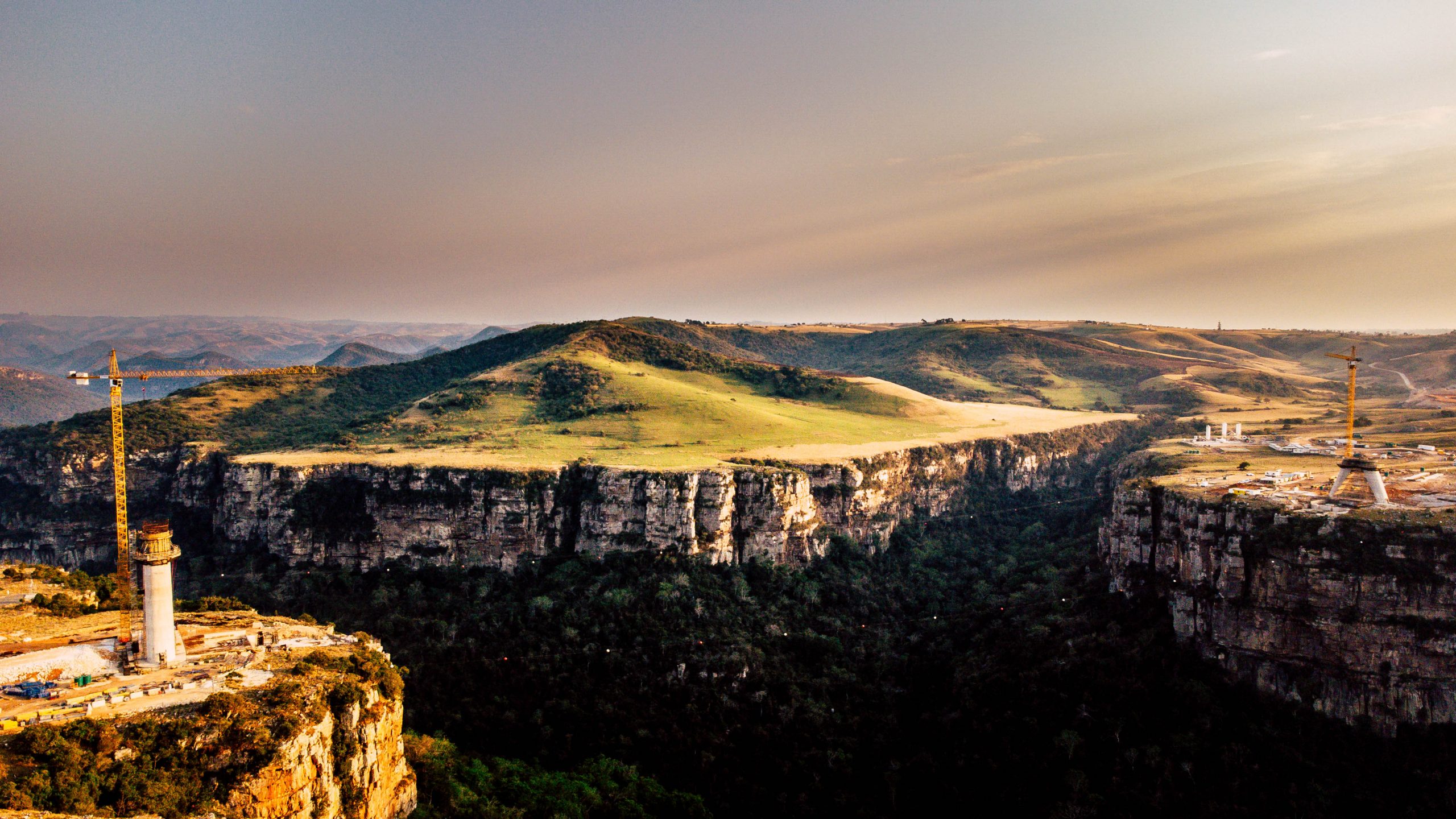
The 580m Msikaba Bridge will cross the 195m deep Msikaba River gorge and once complete will be the longest-span cable-stayed suspension bridge in South Africa. It will also be the second longest in Africa after the 680m Maputo-Catembe Bridge in Mozambique. The anticipated completion date is the end of 2024.

The bridge, located approximately 23km east of Lusikisiki in the Eastern Cape, forms part of the backbone of the greenfields portion of the N2 Wild Coast Road (N2WCR) project.

Work has started on the Msikaba Bridge deck, the part of the bridge that will hang out over the gorge, that traffic will drive on to cross from one side to the other.
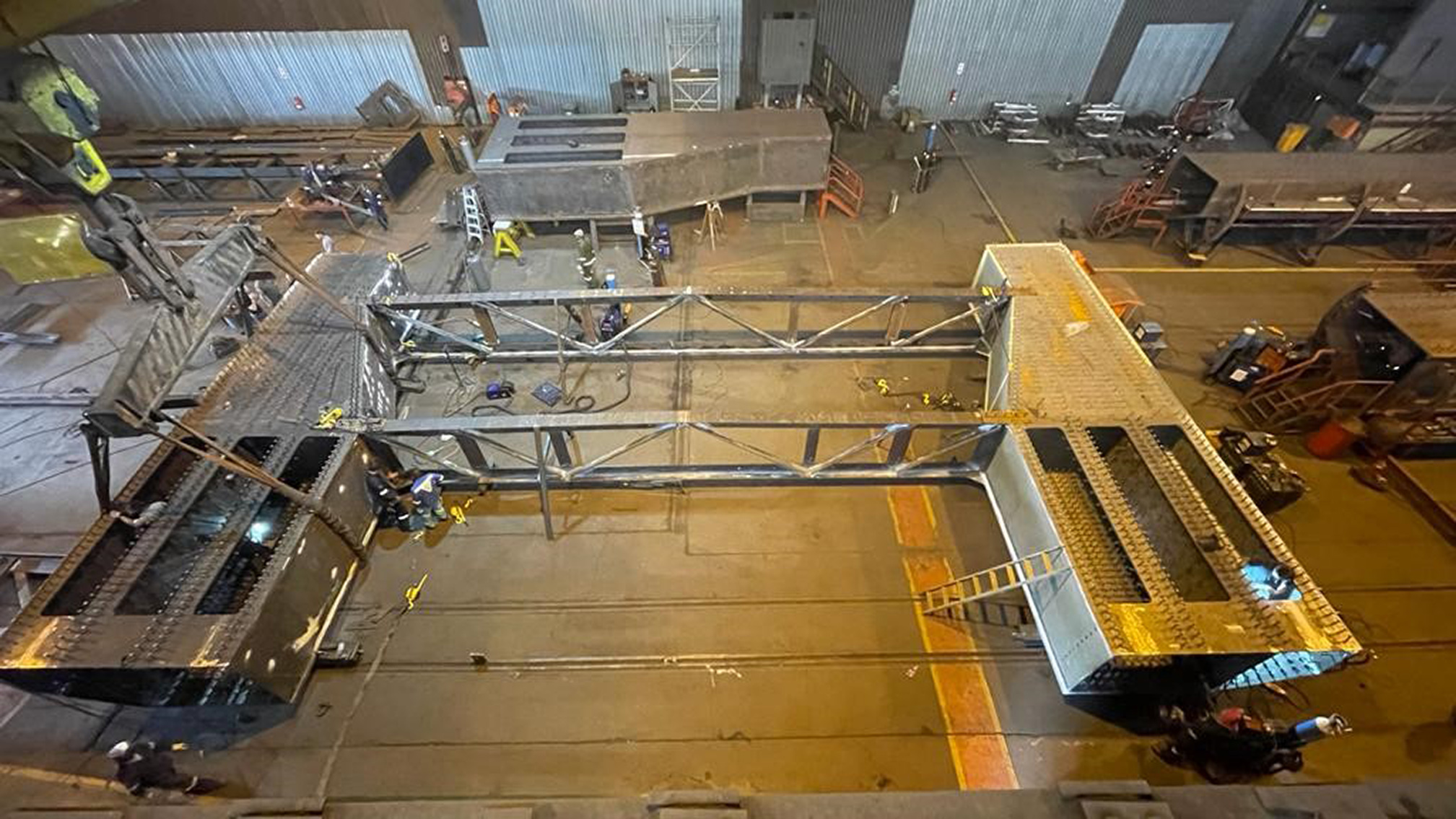
Msikaba Bridge deck segment being preassembled at a factory in Middelburg, Mpumalanga.

It took three trucks to transport the first steel bridge deck segment in three sections from Middelburg in Mpumalanga, where it is being cut and welded, and 3–5 hours to offload each segment at the bridge near Lusikisiki. All steel used to manufacture the material for the deck is 100% South African.

 “This is quite a milestone. For a cable-stay bridge, a huge amount of work precedes the construction of the bridge deck itself. The pier includes major foundations to support the downward pressure from the cables, as well as the abutment and gallery next to the piers. This is where the deck starts and is joined to the base of the pier.

“The two massive anchor blocks on each side, each half a soccer field long and buried four storeys into the ground, must be substantially complete before work on the deck extending out over the gorge can start,” explained SANRAL’s N2WCR Project Manager Craig McLachlan.
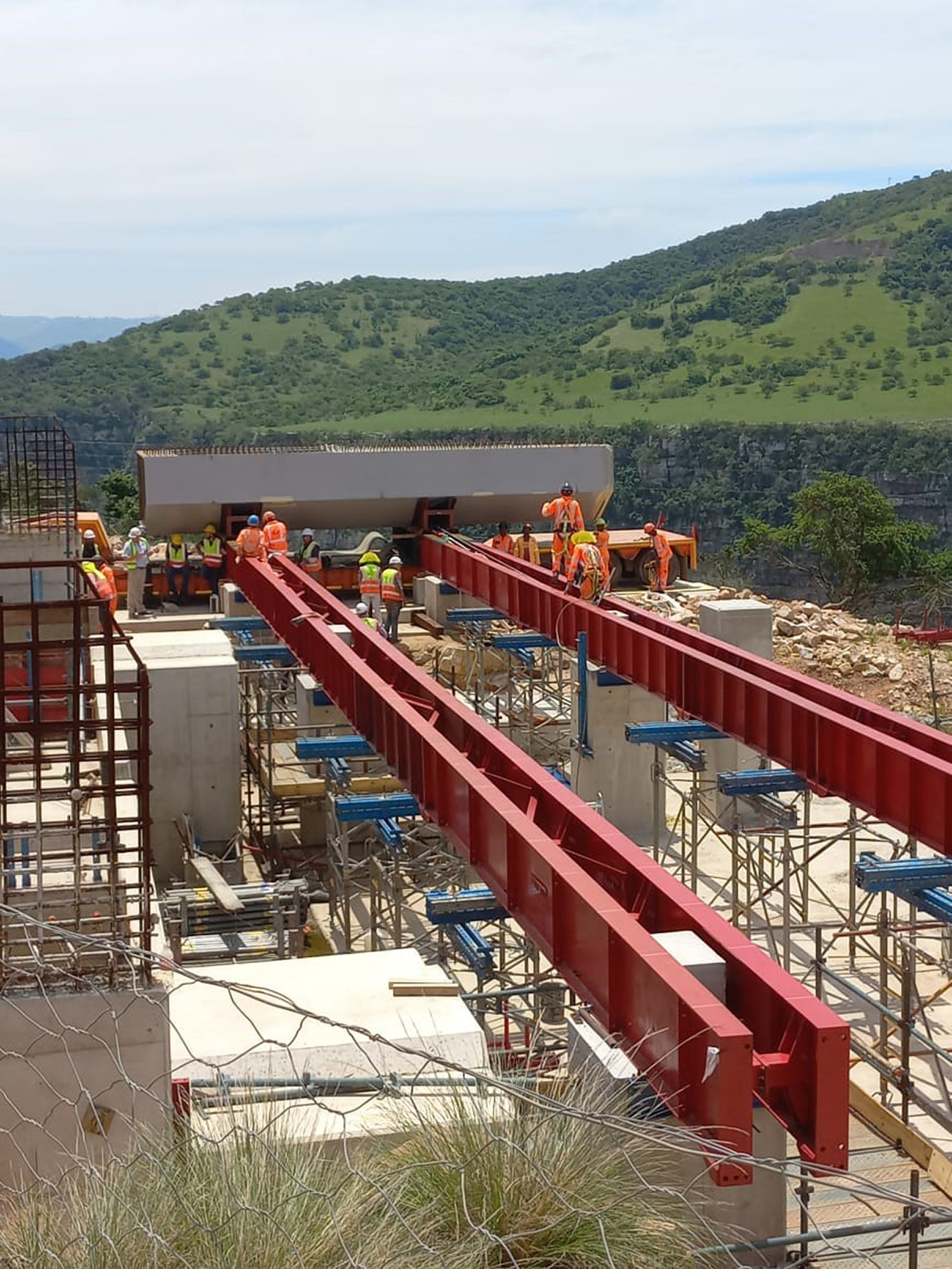
The first box girder section of segment zero South Bank being off-loaded and slid into place.


The entire deck comprises 36 segments in all, 18 on each side. Each segment is made up of two box girders and two truss girders. With three trucks needed to transport each segment, it will take 108 truck delivery trips in all, including four abnormal loads for the four boxes for segment zero at the North and South sites.

Segment zero on each side is not connected to any cables, but is attached to the abutment and supported from below until it is connected upward to segment 1. Segments 1 to 17 each have two cables attached on each side (one on either side). Each box segment will be supported or held up via these two cables leading up to the 127m high pier, with two corresponding cables connected back down to the anchor blocks.

Assembly of the segments is not an easy task. “With the exception of segment zero, which can be assembled in situ, each segment will be assembled on the bank, then carried between the legs, launched out above the gorge, rotated 90 degrees, brought back and attached to the preceding segment, or in the case of the first segment, to the embankment,” said McLachlan.

“The segment then has two cables attached, one on each side. The cable is attached to the spire and another corresponding set is attached to the anchor block. A thin steel and concrete composite deck is then cast. The process is repeated until the decks meet in the middle.”

To simplify the complicated forces at play: through the cables, the mass of the deck (and the cables themselves) will pull forwards and downwards on the top of the pier, and the deck itself will push backwards into the base of the pier. The cables attached in turn from the pier to the anchor blocks will pull backwards and downwards on the piers to partially counteract these forces. Therefore, logically the piers and the pier foundations must be strong enough to support both the downwards and horizontal components of these forces.
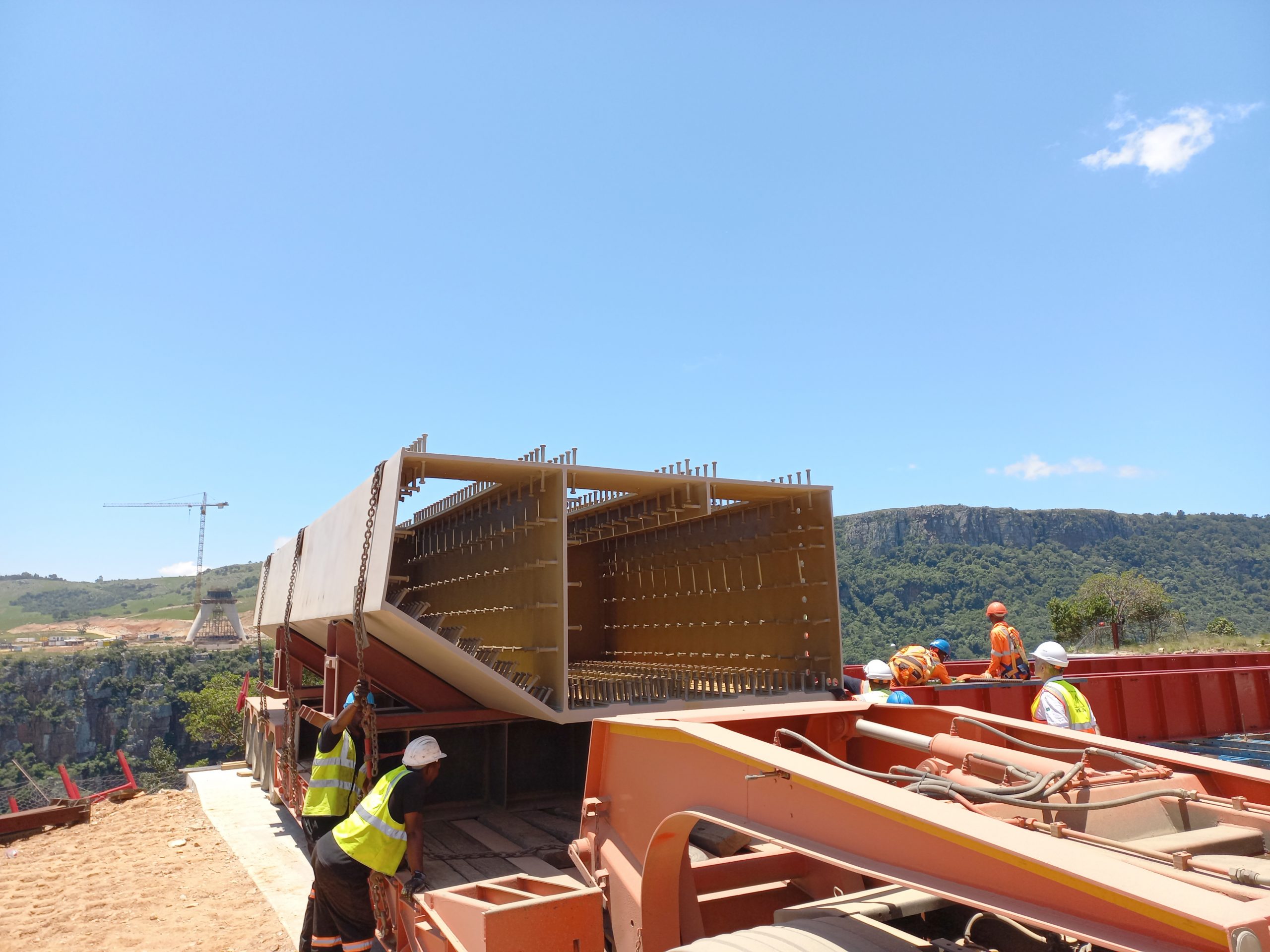
Off-loading the second box girder for the South Bank segment zero.

When joined together, the two large boxes on each side of the deck segments will form two separate 290m long box girders that provide the longitudinal support and stiffness for each half the bridge. This means there will be a joint at the midpoint of the bridge, so each half of the 580m long bridge is an independent structure.

The smaller truss girders linking the boxes are stiff compound steel structures that provide the main cross-support between the longitudinal box girders and provide twisting stiffness or rigidity. Together they form a very large ladder-shaped steel structure, upon which the (combination steel and reinforced concrete) deck plate lies, and on which the four-lane highway will run.

Once completed the Msikaba Bridge will play a crucial role in improving travel time, connecting previously divided communities in the region, and opening opportunities in business and community-based tourism for the Wild Coast.

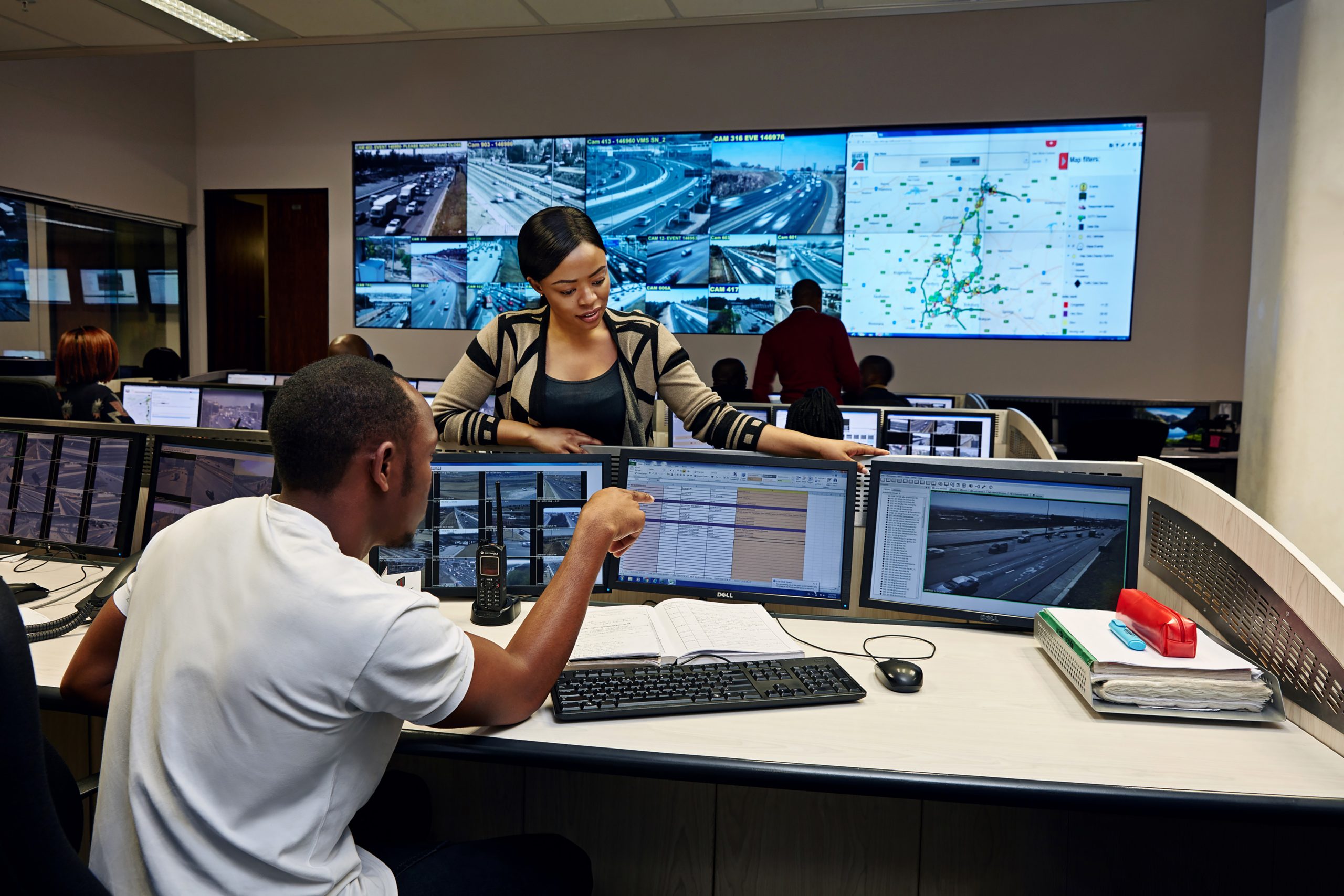
 

Intelligent Transport System to monitor Eastern Cape roads

SANRAL Southern Region Manager Mbulelo Peterson addressing students at Nelson Mandela University during a lecture tour in Gqeberha.

SANRAL plans to use Intelligent Transport System (ITS) technology to monitor the behaviour of motorists on Eastern Cape (EC) roads. the ITS technology is already in place on the Western Cape R61 from Beaufort West towards Aberdeen. Motorists observe the speed limit, but once they cross into the EC they start speeding, which causes accidents.

SANRAL’s Southern Regional Manager, Mbulelo Peterson, told a group of civil engineering students at Nelson Mandela University in Gqeberha that the EC has a huge amount of traffic accidents, although there are fewer cars on its roads compared to Gauteng, the Western Cape and KwaZulu-Natal.

Peterson said SANRAL is not only concerned about the condition of the country’s roads network but also about improving the safety of people using these routes and the communities living along them.

“If you look over the December or Easter period in particular, you hear about accidents around the Aberdeen and surrounding areas. We want to extend the system used in the Western Cape up to Graaff-Reinet. However, we are still deciding if we will be using it on the N9 towards Middleburg or the R63 towards Pearston. We have already appointed a service provider and we know that the Graaff-Reinet area will be covered. Studies will tell us whether to go on the R61 towards the Transkei or towards East London,” Peterson added.

The system includes installation of CCTV cameras on the targeted routes, which will be monitored and controlled from the SANRAL offices in Gqeberha. There are plans to put another monitoring centre in East London. System operators will be able to inform the emergency services when an accident takes place.

“We will also have a vehicle detection system that will assist police in tracking vehicles involved in incidents, because we will have a full description of that specific vehicle,” said Peterson.

He said that the ITS will also assist the EC where there is snowfall or protests, so that traffic can be directed to alternative routes.

Subcontracting brings major opportunities

In line with SANRAL’s commitment to the economic development of black businesses, at least 30% of the contract value of each tender is subcontracted to small, medium and micro enterprises (SMMEs).

Over and above the substantial subcontracting opportunities, collectively worth many billions of rand, the larger of SANRAL’s projects are a platform for large-scale job creation, skills development, knowledge transfer and poverty relief, especially in the rural communities of South Africa. The significantly long construction periods afford sustained economic opportunities for these communities.

When SANRAL’s separately funded community development projects are factored into the equation, the number of SMME opportunities as well as training and job opportunities for ordinary community members increases significantly, thus tangibly reducing unemployment, inequality and poverty,

“While we are alive to the cries from our industry for more projects to be put out to tender, we are equally committed to fair and transparent procurement processes, as required by law, but also the need to prioritise the economic development of those previously denied opportunities to SANRAL projects.

“We also have to respond to the need, as admonished by the Constitution, to advance persons or categories of persons disadvantaged by unfair discrimination. Moving forward, striking a balance between safeguarding our big and established companies and creating opportunities for black businesses at higher and lower CIDB grades will be a material deliverable within SANRAL,” said Chairperson of the Board of SANRAL, Mr Themba Mhambi


Stakeholder engagement sessions are also prioritised to ensure that local business and job-seekers have access to relevant information that will enable them to pursue and participate in the economic opportunities flowing from tender awards and projects. Through the establishment of Project Liaison Committees (PLCs), fairness and transparency in all appointments of subcontractors and engagement of local labour is ensured.

“We want to see meaningful transformation that truly changes people’s lives for the better and not simply impressive statistics,” said Mhambi

New CEO for SANRAL

Reginald Demana has been appointed as SANRAL’s new CEO, with effect from 1 January 2023. Demana holds a BSc in Mining Engineering from the University of the Witwatersrand and an MSc in Mining Engineering (with distinction) from Exeter University in the United Kingdom. His more than 20 years of working experience includes investment banking, where he played a leading role in numerous major transformational transactions. Demana was CEO of JSE-listed coal mining and trading company Wescoal, recently renamed Salungano, moving on to become a divisional executive at the Industrial Development Corporation (IDC) of South Africa early in 2021. At the IDC he was responsible for a portfolio covering mining, metals, infrastructure and energy.

Belstone and Breidbach Interchanges project will change the landscape

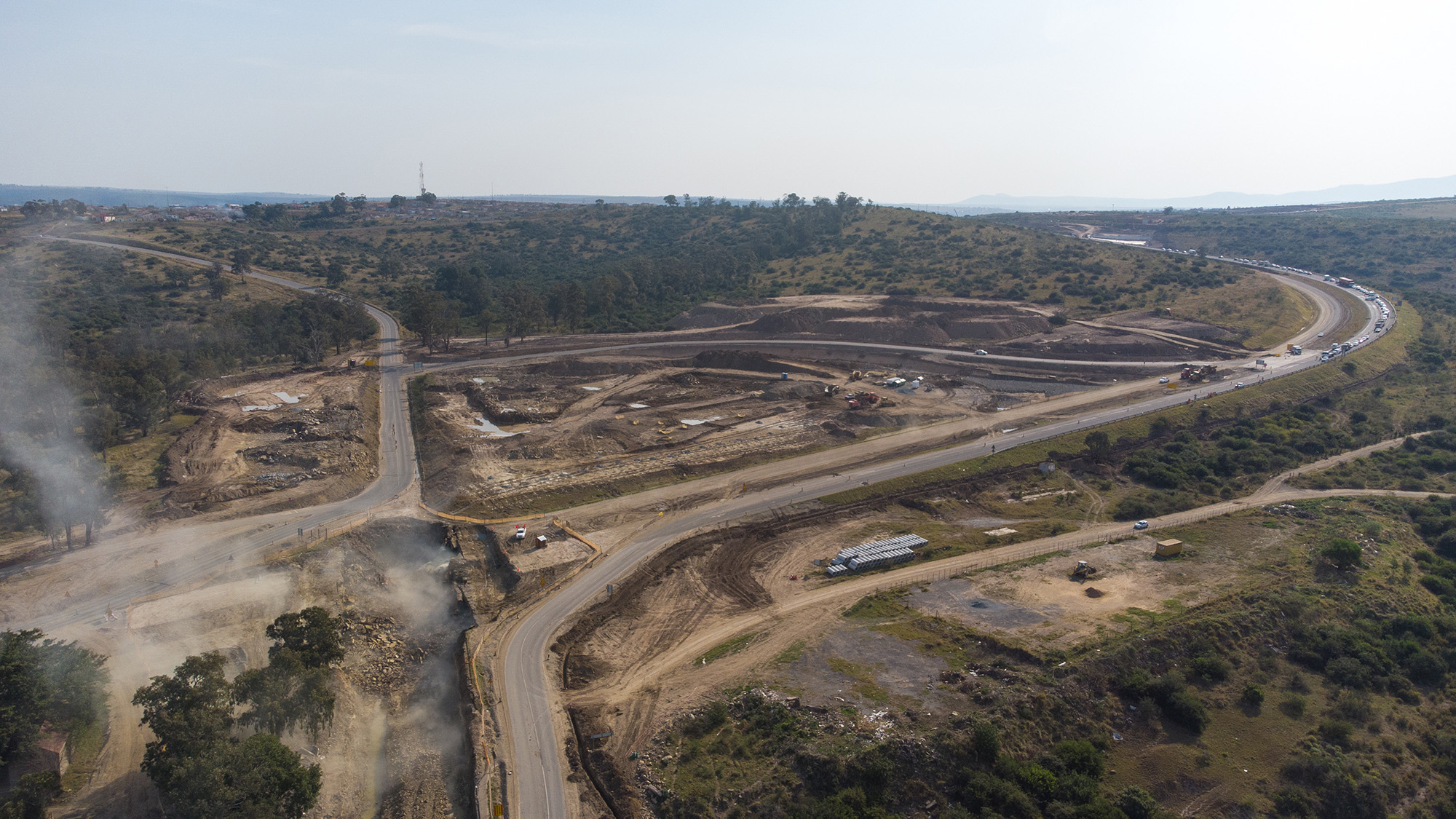
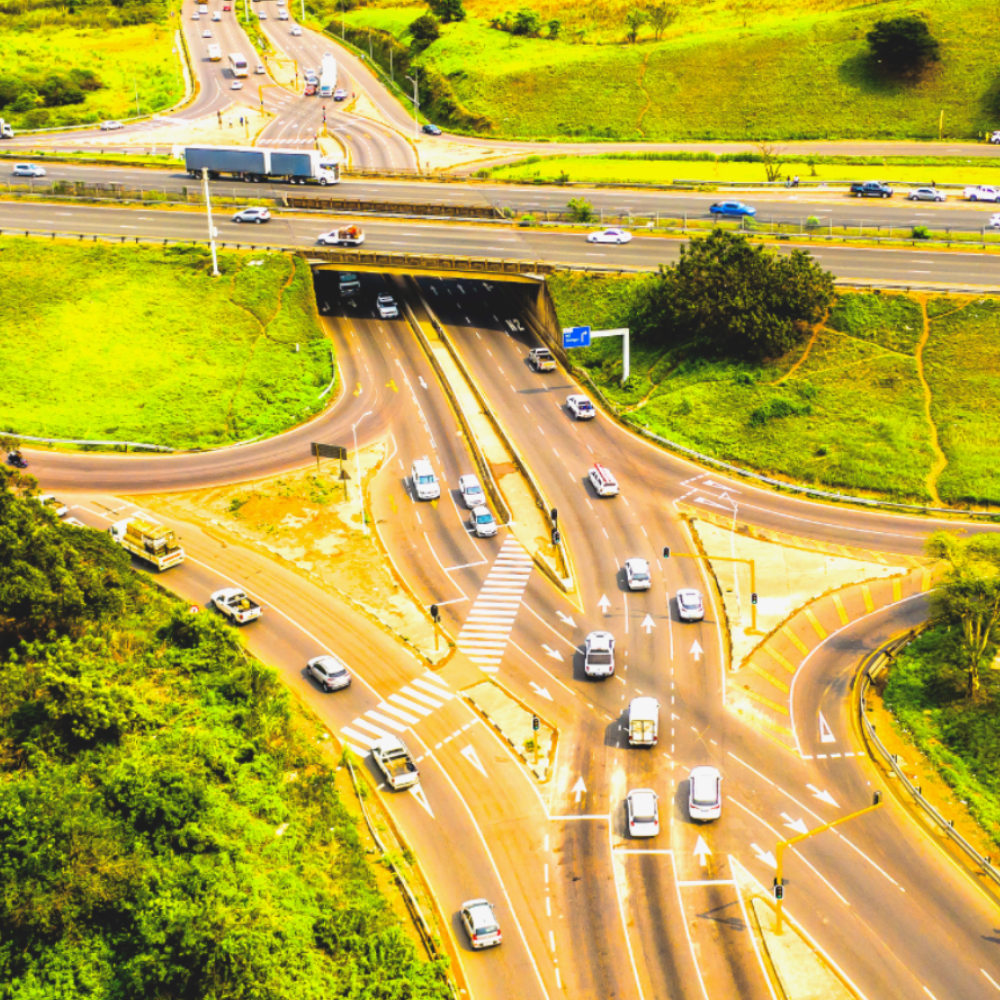
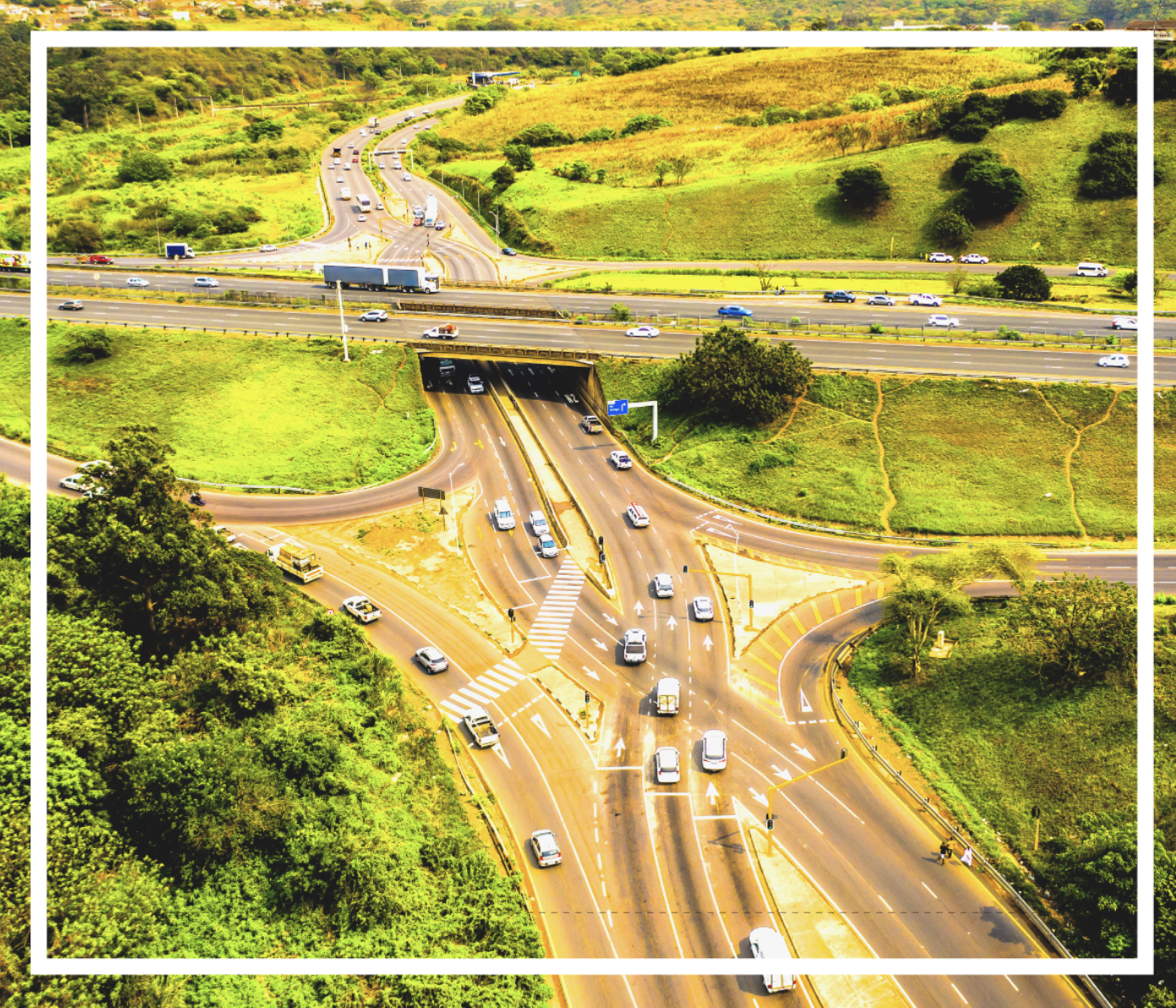
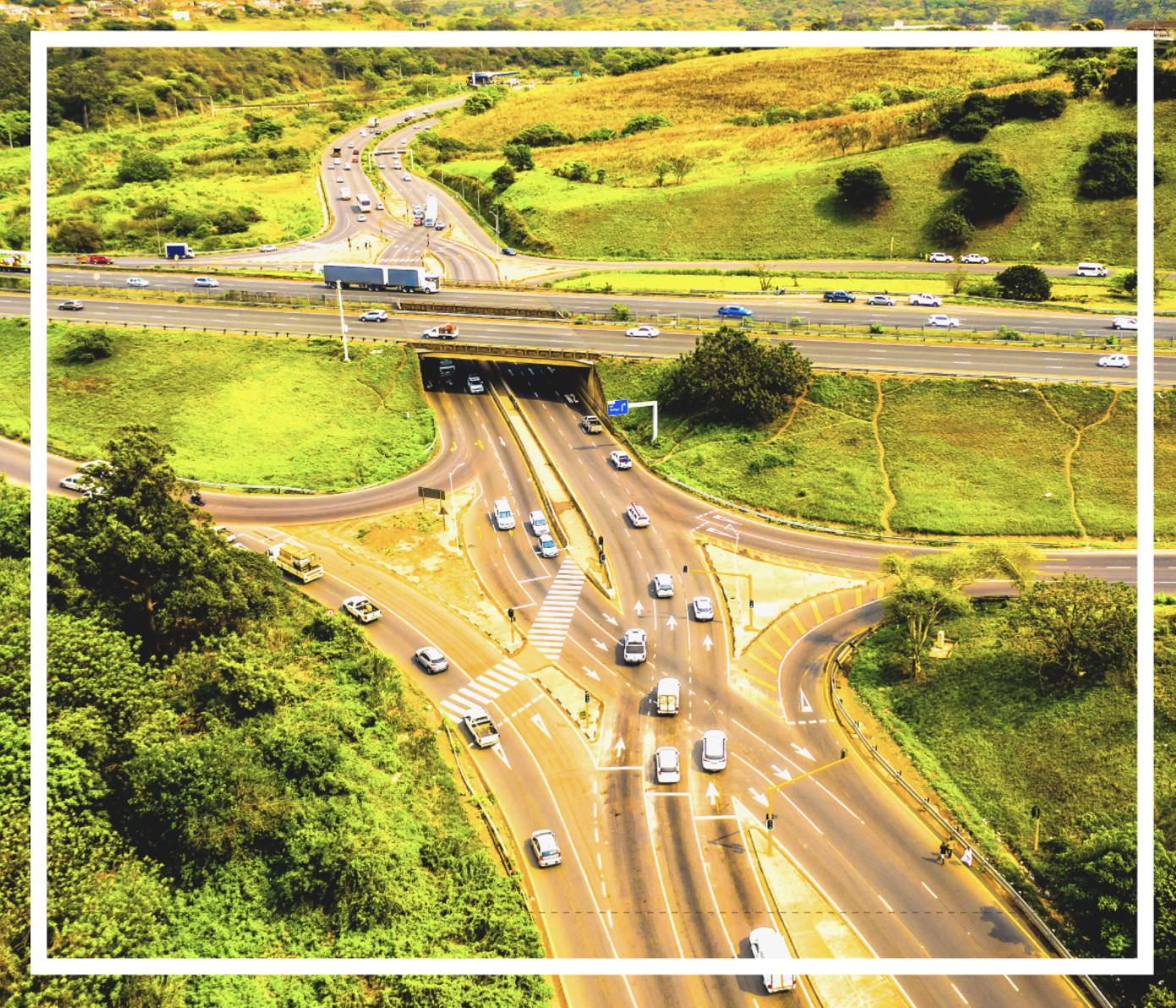
By the end of December 2022 the Belstone Interchange was 42% complete.

The Belstone and Breidbach Interchanges project in eQonce in Buffalo City Metropolitan Municipality is up to date. The estimated project value is R438 million (incl. VAT), and the anticipated completion date is June 2024. The completed Belstone Interchange will include one loop and off-ramp, which will improve safety for both drivers and pedestrians by easing traffic flow between East London and eQonce. The Breidbach Interchange will also see construction of a link road from Breidbach towards Sweetwaters, as well as a free-flowing interchange at Belstone Bridge, and dualling of the road to Bhisho. The end result will be improved management of traffic flow from Bhisho, Breidbach, Zwelitsha and East London, and improved safety for pedestrians.

Construction ramped up on R573 Moloto Road

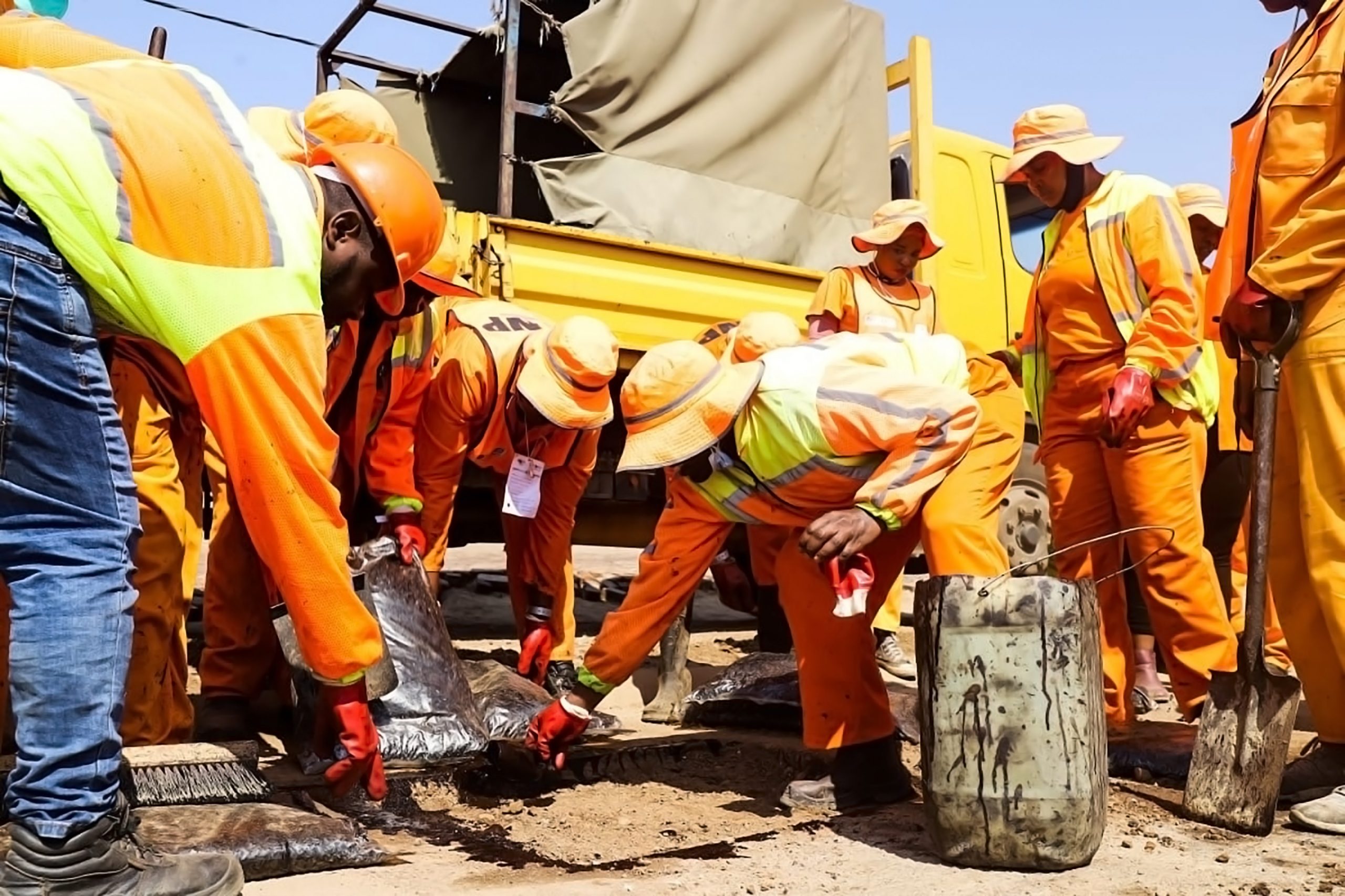
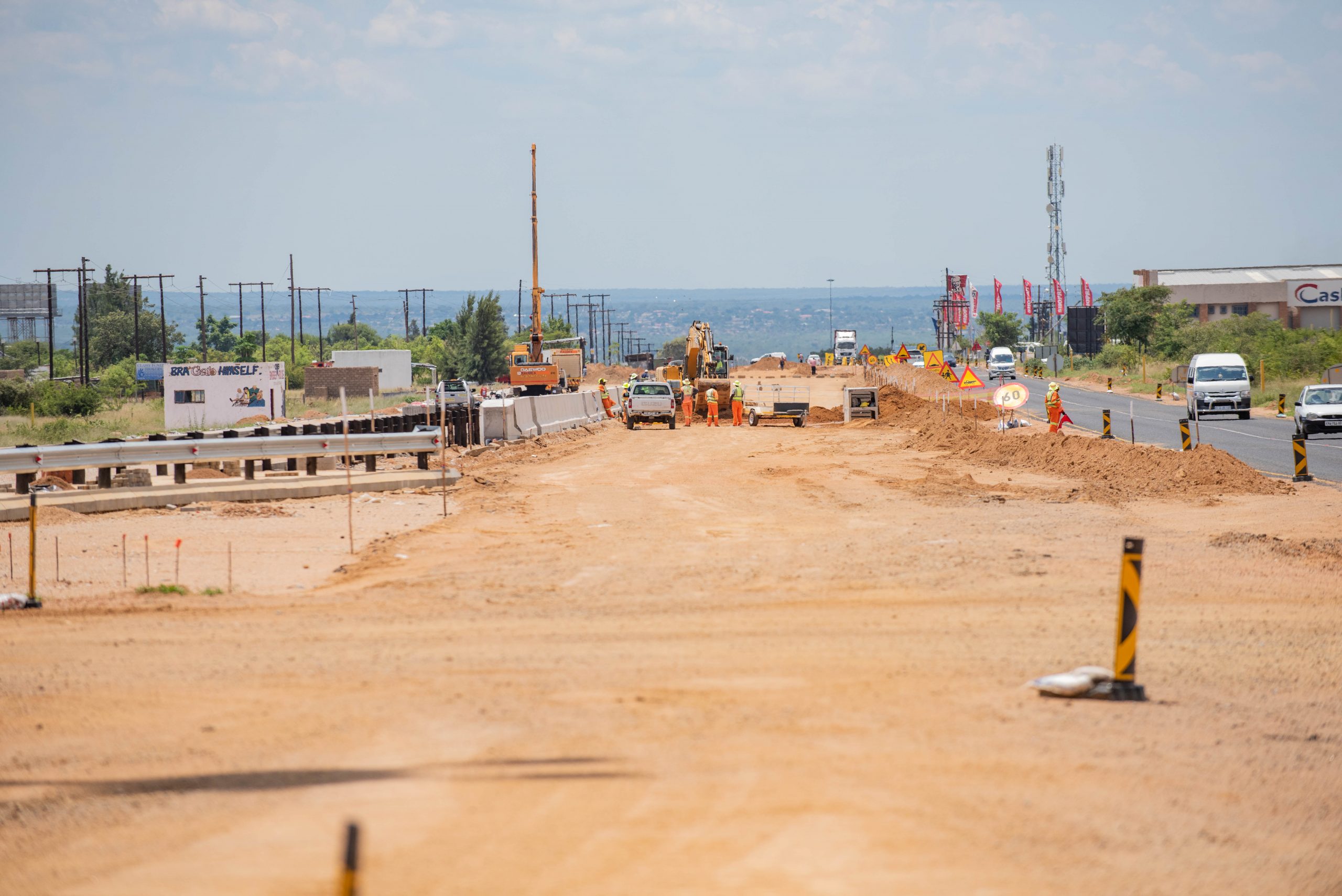
Road user behaviour has been identified as a major contributing factor to horrific crashes and fatalities on the Moloto Road. Part of the planned intervention to promote road safety includes widening the current single-lane carriageway into a dual-lane carriageway in each direction, adding a shoulder, and closing off illegal access points. SANRAL has also introduced four traffic circles/roundabouts – three in Mpumalanga and one in Limpopo – to serve as speed-calming measures and to minimise fatalities. SANRAL has invested R3.7 billion for the first phase of the R573 Moloto Road in the Mpumalanga and Limpopo sections. SMMEs will benefit to the tune of 30% of the project value. In line with SANRAL’s Transformation Policy, the inclusion of youth- and women-owned businesses will be prioritised.

N2 facelift in KZN


President Ramaphosa introduced the ‘stimulus package’ as a new measure “to reignite growth, stimulate economic recovery and secure confidence in sectors affected by regulatory uncertainty and inconsistency”. Projects earmarked as part of this include a R1.2 billion upgrading of the N2 KwaMashu interchange to Umdloti River to five lanes in both directions, from the KwaMashu interchange to Mount Edgecombe interchange, as well as four lanes in both directions to the Umdloti River Bridge.

SANRAL updates local stakeholders on N2 Wild Coast Road Project

MEDIA RELEASE

SANRAL updates local stakeholders on N2 Wild Coast Road Project

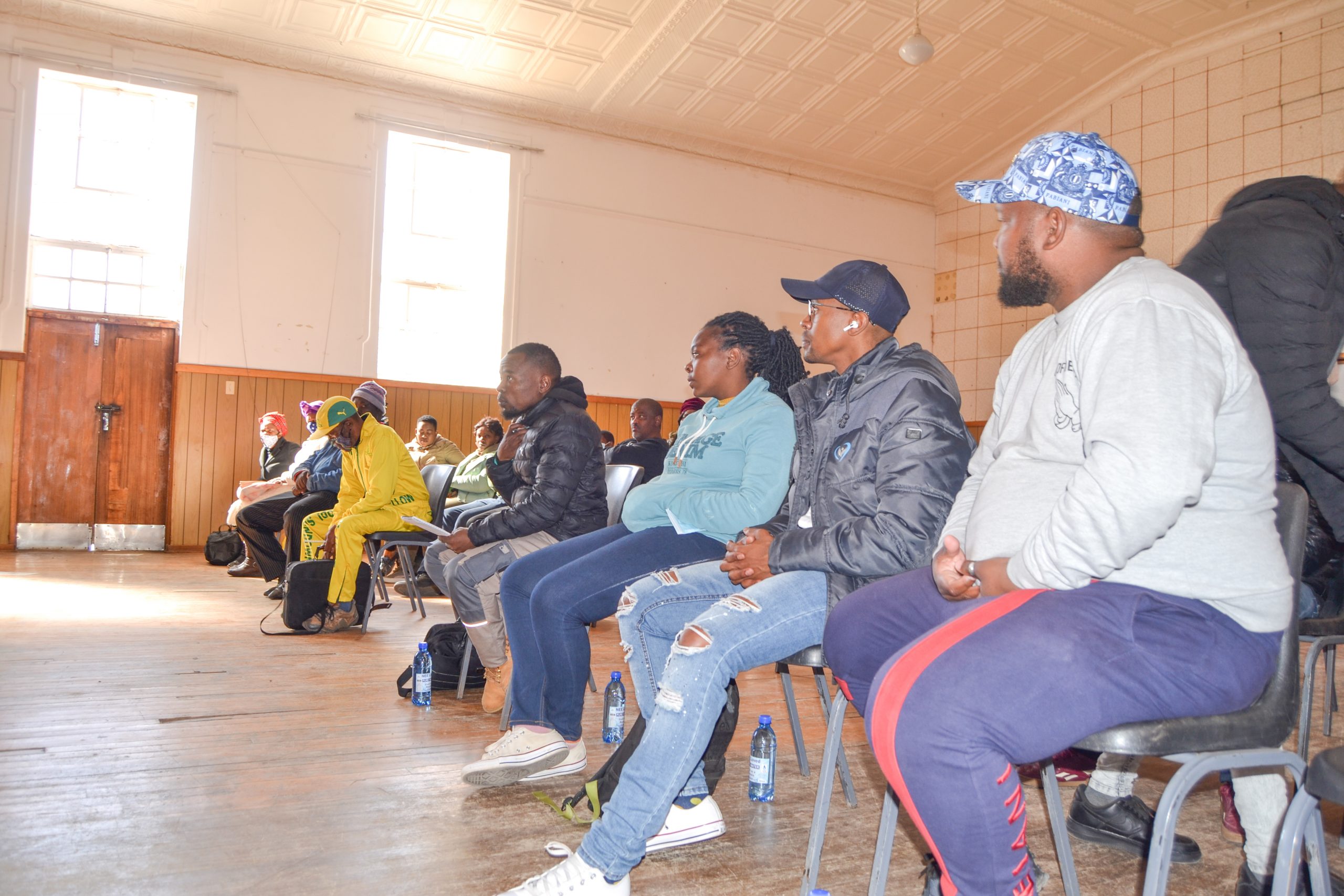
Eastern Cape, 10 March 2023 – The South African National Roads Agency SOC Limited (SANRAL) updated local stakeholders at a two-day engagement session on the progress made on the N2 Wild Coast Road Project and other adjacent projects in Pondoland, Eastern Cape. The sessions took place recently in Lusikisiki and near Port Edward, respectively. Local SMMEs who aspire to benefit from the projects, municipal leaders, members from designated groups such as the youth, women and people with disabilities, as well as local traditional leaders, attended.

“Construction on the Msikaba Bridge project started in 2019 and it is still ongoing, on both the south and north sites. The project is valued at R1.65 billion and has been under construction since 2019. By the end of January this year, R75,6 million (excluding VAT) had been spent on wages on the Msikaba Bridge project. Of the 528 staff on site, 424 (80%) are local people of which 177 are skilled staff and 247 are unskilled workers. About R454 million has been paid to 120 SMMEs, who are all from surrounding areas,” said Craig McLachlan, SANRAL’s Project Manager on the N2 Wild Coast Road Project.

“Additional initiatives that have been undertaken include the training of local 131 SMMEs from Ingquza Hill, Winnie Madikizela-Mandela and Port St Johns local municipalities. This training was offered through SANRAL’s national training programme to develop SMMEs. About 257 community members received skills development training in catering and hygiene, welding and crop production,” said McLachlan.

The N2 Mtentu Bridge project, on the other hand, was awarded to China Communications Construction Company (CCCC) and MECSA Construction joint venture (CCCC MECSA JV) at R4.05billion on 1 November 2022. It is estimated that up to 200 SMMEs will benefit from the project, while an estimated 2500 full-time equivalent jobs are expected to be created.

“The scope of the new Mtentu tender has been expanded from the original terminated contract to include the upgrading of 18km of a provincial road, linking the future Mkhambati Interchange to the Flagstaff-Holy Cross road, and providing a direct link from the future N2 to the town of Flagstaff, as well as the construction of three nearby community access roads,” added McLachlan.

Once completed, the Mtentu Bridge will be the highest in Africa and it will be one of the longest main- span balanced cantilever bridges in the world, with a main span of 260 meters at a maximum height of around 223 meters.

The socio-economic impact of the R20 billion Wild Coast project can never be downplayed because the project will offer a significant economic injection for the local communities. The minimum 30% expenditure earmarked for targeted enterprise subcontractors and suppliers will result in more than R4 billion flowing to SMMEs, the majority of whom will be from the OR Tambo and Alfred Nzo district municipalities.

In addition to the R20 billion road greenfield N2 Highway, the recent transfer to SANRAL of the R61 between Port St Johns and Port Edward will see numerous maintenance, rehabilitation and reconstruction projects rolled out by SANRAL over the next 10 years, further increasing the range and number of opportunities for SMMEs from the Port St John’s, Ingquza Hill and Winnie Madikizela Mandela Local Municipalities.

Progress has also been made on the awarding of Packages Four and Five of the project. Valued at R2.25 billion, about R804 and R183 million has been earmarked for local SMMEs and local labour, respectively, on Package Four. The project entails construction of the N2 Wild Coast highway between Lingeni and the Msikaba Bridge.

Similarly, Package Five, which will see the construction of the N2 highway and associated local roads between Msikaba and Mtentu, is valued at R2.5 billion and about R891 million and R204 million has been earmarked for local SMMEs and local labour, respectively.

BLASTING TO BE CONDUCTED NEAR THE CAMPERDOWN OVERPASS BRIDGE ON THE N3

TRAFFIC ADVISORY

BLASTING TO BE CONDUCTED NEAR THE CAMPERDOWN OVERPASS BRIDGE ON THE N3

Pietermaritzburg, 10 March 2023 – Rock outcrops that have been found near the Camperdown Overpass Bridge will need to be removed through blasting for the construction of the stormwater system as well as pavement layers, the South African National Roads Agency SOC Limited (SANRAL) has announced.

This forms part of the ongoing N3 upgrades from the Cato Ridge Interchange to the northern end of the Dardanelles Cutting.

“The blasting will be carried out on Tuesday, 14 March 2023 at 14h00. All closures will be immediately removed as soon as the site of blasting has been declared safe. Should a second blasting procedure be required, this will be carried out on Thursday, 16 March 2023, at 14h00,” said Thabiso Dladla, SANRAL’s Eastern Region Project Manager.

Temporary road closures in the vicinity of the Overpass Bridge will be put in place on the R103. The on ramps at Cato Ridge Interchange and Camperdown Interchange will be temporarily closed during the blast. The road closures should not delay traffic for more than 10 minutes.

“The speed limit along the route has been reduced to 80km/hr to improve safety to the construction team and road users. Lane closures can be expected in the evening to permit construction vehicles from safely entering and exiting the work zone and the public will be informed in advance of such activity,” said Dladla.

Delays are expected, as a result of the reduced speed limit, so motorists are urged to plan their trips

carefully and be vigilant along the road during their travels.

“We further appeal to road users to adhere to the road signs and speed limit when approaching and travelling through the construction site. SANRAL apologises for any inconvenience this may cause and ask for your understanding as they make the necessary upgrades,” said Dladla.

Blasting scheduled at Breidbach Interchange

TRAFFIC ADVISORY: Immediate
Blasting scheduled at Breidbach Interchange

Eastern Cape, 8 March 2023: The South African National Roads Agency SOC Ltd (SANRAL) wishes to advise travellers that controlled blasting is scheduled to take place at the Breidbach Interchange on the N2 near eQonce (formerly King Williams Town) at 3pm on Tuesday, 14 March 2023.

The N2, between eQonce and East London and Welkom Street, will be closed for approximately 30 minutes.

The alternative route for motorists coming from the East London side is to take the R102 at the Berlin Interchange and proceed through the Ilitha, Ndevana and Phakamisa townships to join the R346 to eQonce. The diversion is through Zwelitsha. Similarly, from eQonce to East London, motorists are advised to take the R346 towards Zwelitsha and then take the R102 towards Phakamisa, Ndevana and Ilitha townships and then join the N2 at the Berlin Interchange.

“Motorists are requested to plan their trips accordingly and to use caution when making use of the roads. SANRAL apologises for any inconvenience caused,” said Mbulelo Peterson, SANRAL Southern Regional Manager.