
There will be no construction work on the Mpumalanga section of the R573, or Moloto Road, this year. SANRAL is concentrating on stakeholder consultation and information sessions with local communities and SMMEs.
Blog
Tunnel to stay open

There will not be full-scale closure of the Huguenot Tunnel. Repairs will be mostly done at night. This may mean permitting light motor vehicles through the tunnel and diverting heavy vehicles to alternative routes. Refurbishment of the south bore will begin in the second half of the year and construction of the north bore in early 2020.
Infrastructure is economy’s engine
A new strategic path for state-owned entities that will improve their ability to create jobs, enable inclusive growth and become financially sustainable, was one of the primary announcements made by President Cyril Ramaphosa in his 2019 State of the Nation Address.
He also envisaged a comprehensive overhaul of the way in which infrastructure projects will be managed in the future, including a more effective utilisation of professional skills within the public sector – and more partnerships with the private sector.
Speaking in Parliament, President Ramaphosa made repeated references to the need to accelerate inclusive economic growth and emphasised the role of strategic state-owned enterprises and well-managed investments in infrastructure to achieve this objective.
A critical factor is government’s initiative to mobilise resources and attract investments in the provision of infrastructure. More than R1.3 trillion has been invested in the past five years and this has become “the flywheel of the engine of our economy”.
However, infrastructure development has slowed down for a number of reasons. A primary concern is that infrastructure provision is too fragmented between the different spheres of government. There is a lack of integration between projects aimed at housing development, physical infrastructure and social amenities.
Government is, therefore introducing “a new infrastructure implementation model” to address these issues. This will be underpinned by the new Infrastructure Fund announced by President Ramaphosa in September 2018.
The key features of the new implementation model are:
- An initial R100bn allocation into the Infrastructure Fund will be used to leverage further funding from the private sector and development finance institutions.
- The emphasis will be on “deeper partnerships” between public sector entities in the planning, building and maintenance of infrastructure.
- The technical capacity in government will be strengthened by building a pool of engineers, project managers and spatial planners. They will form “action teams that can make things happen faster on the ground.”
- The capabilities of the state and the private sector will be merged to address infrastructure challenges.
Steps taken include the appointment of new boards to entities that have suffered from an absence of good governance, and the establishment of a Presidential Council on state-owned enterprises (SOEs). This council will provide political oversight and strategic management, reposition and revitalise entities and ensure they can play a role as catalysts of economic growth and development.
Where such entities are not able to raise sufficient financing from the fiscus, banks, capital markets and development finance institutions, government will explore other mechanisms such as strategic equity partnerships or selling off non-strategic assets. However, this will not include the disposal of assets that are “strategic to the well-being of the economy and the people”.
Big road projects in budget
A pronounced shift towards future investment in infrastructure – including the construction and rehabilitation of sections of the national road network – was one of the prominent features of the 2018/19 Budget.
Delivering his first budget speech, Finance Minister Tito Mboweni allocated an additional R3.5bn to SANRAL over the next three years to improve non-toll roads. This represents an increase of an average annual rate of 25.5% – from R6.9bn in 2018/19 to R13.7bn in 2021/2022.
However, this should be viewed against a reduction of R5.8bn in 2018/19 to meet SANRAL’s cash requirements for the Gauteng Freeway Improvement Project (GFIP). Thus, transfers for GFIP are expected to decrease from R6.3bn in 2018/19 to only R633m in 2021/22.
Mr Mboweni did not step back from his earlier support for the user-pay principle expressed in his 2018 medium-term budget speech in which he called on people to pay their e-tolls. This time around he said: “I emphasised the importance of the user-pay principle. It is a principle which we should uphold. In any future negotiations this should be borne in mind.”
Contained within the Department of Transport’s budget of R64.2bn are some indications of major road construction projects that are on the cards. Among these are:
- 5bn for all non-toll roads over the medium-term period
- 3bn for the upgrade of the Moloto Road (R573)
- 2bn for the construction of the two bridges on the N2 Wild Coast Road
- Major allocations for the upgrades to the N2 (Cape Town), N3 (Mariannhill) and N2 North and South Roads
- The resurfacing of 3 300km and improvements to 1 500km of roads, upgrading of intersections to interchanges and the building of new interchanges and bridges.
The budget notes that SANRAL will continue to focus on its programme to undertake preventative maintenance to preserve and improve the national road network. Total expenditure is expected to increase at an average annual rate of 5.1% – from R33.2bn in 2018/19 to R38.6bn in 20201/22.
The bulk of SANRAL’s total expenditure comprises payments to service providers for routine road maintenance and construction. As a result, goods and services expenditure accounts for 74.3% of total expenditure over the medium term.
SANRAL also expects its personnel to increase by 98 over the medium term – from 392 in 2018/19 to 490. This means an increase in expenditure on compensation at an average annual rate of 17.5%.
The agency generates revenue from transfers from the Department of Transport – for the non-toll network – and fees on the toll network. Revenue is expected to increase from R25.6bn in 2018/19 to R29.3bn in 2021/22. This includes an expected increase in toll revenue at an annual rate of 1.9%.
SANRAL‘s response to president’s call
Minister of Transport, Dr Blade Nzimande, recently provided details of the projects that will be rolled out as part of the economic stimulus package that was announced by the President in 2018.
The additional R3.5bn over three years announced in the national budget in February will unlock a total of R13bn worth of investment in national road infrastructure over the medium term. The projects will include economic and social infrastructure that is intended to unlock economic growth while also providing much needed access to communities and stimulating local economies. The delivery model for the projects will have a strong job creation and SMME development focus. The projects will also pursue an urban-rural balance.
This is SANRAL’s response to the call made by President Cyril Ramaphosa at the earlier investment summit to have shovel-ready projects in place to support the country’s economic stimulus plan.
Dr Nzimande said infrastructure investment is a critical element of government’s plan to get the economy working. The primary road network managed by the South African National Roads Agency is the backbone of the transport system.
“Without a well-designed and well-maintained primary road network we will not be able to attract investments that can serve as catalysts for balanced economic growth, instil business confidence, create jobs and contribute to the fundamental transformation of our society,” says the Minister.
SANRAL is ramping up its investment in road infrastructure back to familiar levels through its R70bn medium term budget allocation to implement construction and maintenance projects across the country.
“This increased investment will rejuvenate the construction and engineering sectors, create jobs and support the growth of small and medium enterprises,” says Skhumbuzo Macozoma, CEO of SANRAL.
SANRAL’s 2019/20 budget for the construction of roads, rehabilitation and maintenance projects is set at R24.4bn. This will grow at an average rate of 5.1% over the medium-term framework reaching a total of R70bn. This budget includes the R3.5bn stimulus package allocation that was recently announced by the Minister of Transport.
Macozoma says this ramp up on road infrastructure spending follows a difficult 18-month period of subdued expenditure. “We are happy that the majority of the challenges we experienced with National Treasury which affected our tender processes have been addressed. SANRAL affirms its commitment to comply with applicable procurement regulations, while ensuring inclusive participation in its projects.”
SANRAL’s investments will bring relief to the broader construction sector that is currently experience a downturn in business. There are projects in the pipeline, and this will contribute to an upswing in construction activities.
Macozoma says that SANRAL will soon establish supplier development desks at its regional offices to ensure structured assistance to suppliers including contractors, consultants and material suppliers. This will be enabled by the numerous partnership agreements that SANRAL is pursuing with big industry players in the areas of equipment supply, mentoring, material supply, business and financial management.
Toll increase = CPI
The annual adjustment to toll tariffs came into effect on 1 March 2019. It is in accordance with the CPI over the proceeding twelve months, which has been calculated as 4,583%.
The adjusted tariffs apply on the N3 toll road between Johannesburg and Durban, on the N4 between the Mozambican border and the Botswana border as well as on the toll sections of the N1, N2, N17, N12, R30 and R21. They also apply to the GFIP toll roads. The CPI adjustment also affected the monthly caps applicable to the GFIP toll roads.
The adjustments are made on an annual basis to keep the toll tariffs aligned with inflation rates.
The effect of inflation means that every rand buys a smaller percentage of a good or service. As the average inflation rate is used to decide the adjustment, this means that there is no increase in real terms.
Toll monies are used cautiously, only to maintain and improve toll roads. Toll roads are built at no cost to the fiscus – the concept of toll roads is to apply a user charge only to those who benefit from the use of the road.
SANRAL uses tolling selectively. Only 2 952km of the 22 214km road network that SANRAL is responsible for constitute toll roads.
Toll roads are a prime example of a public-private partnership which makes capital available up front for important and expensive infrastructure projects. It also allows for continued maintenance not done at taxpayer’s expense. Roads that are not regularly maintained will require repairs. The cost of major reconstruction can be up to 18 times higher than it would have been if routine preventative maintenance was undertaken.
Upgrading of the R573 so far
Moloto Road runs north-eastwards from Pretoria, traverses three provinces and ends at the N11 near Marble Hall.
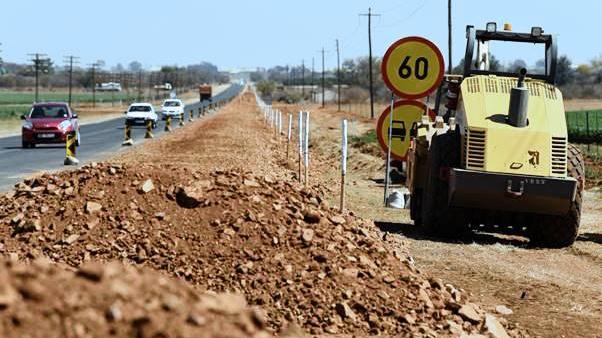
Construction of the first phases of the upgrading of R573 Moloto Road, a 137km stretch from Gauteng to Mpumalanga and Limpopo, is nearly complete.
The project officially started in 2015.
The South African National Roads Agency (SOC) Limited (SANRAL) has invested R3.7-billion in the project over a period of five to six years.
The budget is for the Mpumalanga and Limpopo sections only. The Gauteng section will be funded by the Gauteng provincial government.
Thirty percent of the project value will be awarded to SMMEs.
The scope of work for the first phase (Mpumalanga and Limpopo) included the construction of four traffic circles; three in Mpumalanga – at Vlaklaagte 1 & 2 and Tweefontein – and one in Limpopo – at the intersection of the N11 and R573 in Marble Hall.
No work has gone out to tender for the Gauteng section of the project, as the project is still in the design phase.
The butterfly intersection Mathys Zyn Loop was also constructed, which included widening road lanes to 3.7m with a 3m shoulder on both sides.
There are three phases currently at the design stage, which will go out to tender during 2019.
SANRAL will continue to keep communities updated on all relevant information regarding the project. Alternatively, more information can be accessed on the SANRAL website www.nra.co.za
SANRAL seeks compliance regarding unlawful land grabs
Local communities are asked to respect beacons placed by surveyors that indicate the national road reserve.
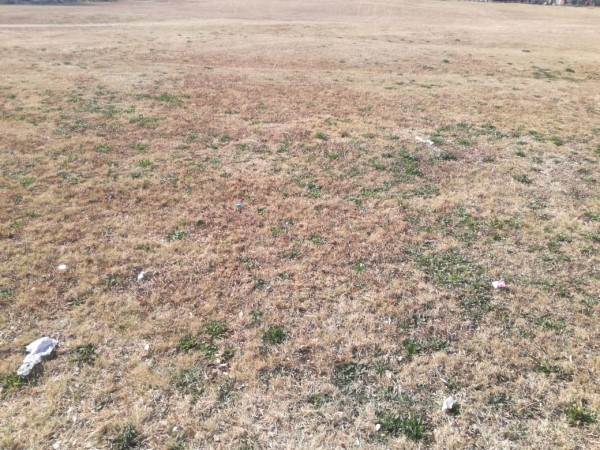
Encroachment and erection of illegal structures close to the road reserve on R573 Moloto Road continues.
The South African National Roads Agency (SOC) Limited (SANRAL) has partnered with local municipalities and consulted local traditional authorities to address this, but the problem persists.
At the start of the project, SANRAL embarked on a roadshow to educate stakeholders on statutory control issues and the allocation of tribal land to communities, but it’s an uphill battle.
Mostly, the culprits are individuals who erect informal businesses close to the road reserve and start trading.
Not only is this illegal, it’s a safety hazard. Consumers flocking to the area run the risk of being hit by fast-moving cars when crossing the road.
SANRAL is committed to community development and supporting local business.
However, it cannot risk the lives of others and be at the mercy of illegal hawkers.
SANRAL appeals to communities and stakeholders for their cooperation, in particular those encroaching on the road reserve and ignoring building restrictions.
Community members are requested to follow proper procedures in acquiring land.
Local communities are asked to respect beacons placed by surveyors that indicate the national road reserve.
Headmen/chiefs must not allocate stands inside the road reserve.
SANRAL to increase infrastructure investment
SANRAL’s investments will bring relief to the broader construction sector, which is currently experiencing a downturn in business after a difficult 18 months.
The South African National Roads Agency (SOC) Limited (SANRAL) is ramping up its investment in road infrastructure back to familiar levels through its R70-billion medium term budget allocation to implement construction and maintenance projects across the country.
Skhumbuzo Macozoma, the CEO of SANRAL, said: “This increased investment will rejuvenate the construction and engineering sectors, create jobs and support the growth of small and medium enterprises.”
Infrastructure investment
SANRAL’s 2019/20 budget for the construction of roads, rehabilitation and maintenance projects is set at R24.4-billion.
This will grow at an average rate of 5.1% over the medium-term framework reaching a total of R70-billion. This budget includes the R3.5-billion stimulus package allocation that was recently announced by the Minister of Transport.
Macozoma said this ramp up on road infrastructure spending follows a difficult 18-month period of subdued expenditure.
“We are happy that most of the challenges we experienced with National Treasury, which affected our tender processes, have been addressed. SANRAL affirms its commitment to comply with applicable procurement regulations, while ensuring inclusive participation in its projects.”
SANRAL’s investments will bring relief to the broader construction sector, which is currently experiencing a downturn in business. There are projects in the pipeline and this will contribute to an upswing in construction activities.
This budget allocation provides a perfect opportunity for SANRAL to roll out its Horizon 2030 strategy, support the objectives of the National Development Plan, and contribute to the successful implementation of the Strategic Integrated Projects (SIP) and Special Economic Zones.
“The projects planned for the MTEF also have a strong focus on community development across all nine provinces, in both urban and rural centres,” said Macozoma.
“Roads contribute to balanced economic development, empower communities, facilitate the movement of people and goods and create equitable access to vital services. The prioritisation of community projects will be done jointly with communities to ensure that real and relevant benefits are left in communities after completion of the projects.”
The projects will comprise a spread of road works including:
- The improvement in key corridors such as the N2 Corridor, N3 Corridor and N1Corridor;
- Expansion of key pieces of infrastructure including dual carriageway construction, interchange improvements and single carriageway cross section improvements;
- Bridge and storm-water infrastructure improvements;
- The expansion of Intelligent transport systems to a larger part of the road network;
- Road safety improvements and public transport enablement.
These 740 new construction projects are spread across the entire 22 214km of the primary road network managed by SANRAL.
Communities and SMMEs benefit
Communities from Rustenburg in the North West to Giyani in Limpopo, to the Karoo and the Northern Cape will benefit from construction activities and the provision of safer and more accessible roads.
Macozoma said SANRAL’s investments in infrastructure will greatly benefit emerging enterprises and new players in the construction and engineering sectors.
“All new tenders will be published in line with the new Transformation Policy at SANRAL, which seeks to increase the participation of black business and the development of SMMEs. Tender requirements will also increasingly demand the targeted focus on enterprises that are owned by women, youth and people with disabilities.”
Some 7 810 SMMES will benefit from SANRAL projects over the next three years with plans to create an estimated 81 000 jobs on road construction and maintenance projects.
All SANRAL construction projects will now include community development programmes and initiatives to support the transfer of skills to SMME companies.
Macozoma said: “SANRAL will soon establish supplier development desks at its regional offices to ensure structured assistance to suppliers including contractors, consultants and material suppliers. This will be enabled by the numerous partnership agreements that SANRAL is pursuing with big industry players in the areas of equipment supply, mentoring, material supply, business and financial management.”
Talk more, talk to more
It is important to understand that stakeholders must not only be involved in all the steps but must understand why these steps are being taken.
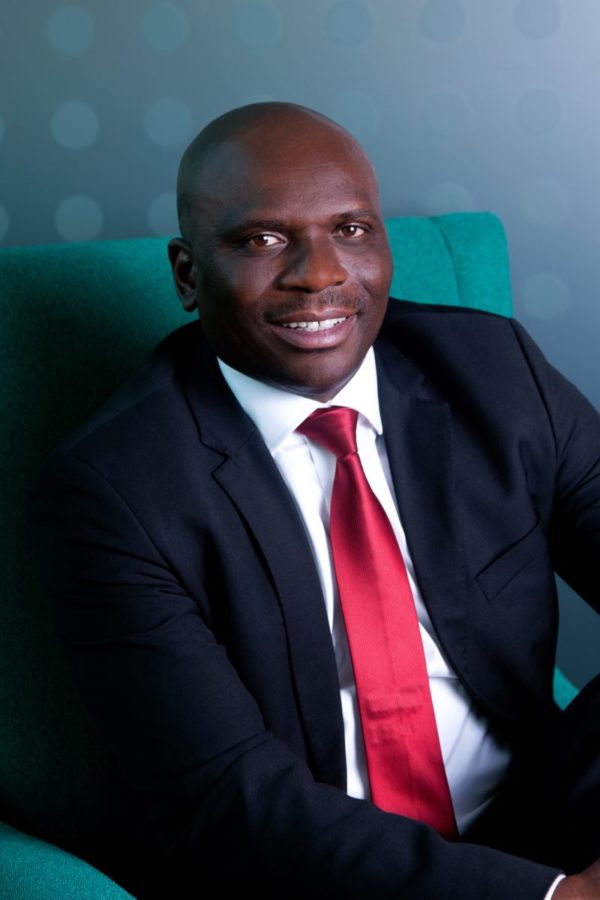
The message is a simple one, but it is getting more urgent than ever: stakeholders must be taken along step-by-step in any development.
Though SANRAL has always had this stakeholder approach, recent events underscore just how significant this is.
It is important to understand that stakeholders must not only be involved in all the steps but must understand why these steps are being taken. We always follow the correct legal route when dealing with development projects.
Equally important, we emphasize that the broader community’s participation and input is significant.
It’s not only the provincial and local authorities who are important stakeholders to us, but also traditional and community leaders.
While state-owned enterprises (SOEs) serve all the people of the country and are not tied to a ruling political party, it is an inescapable fact that the broad strokes of that party’s policy, which obviously becomes government policy, provide the background against which an SOE like SANRAL operates.
It is exactly this that has made much more stakeholder engagement necessary. Economic transformation is the current watchword.
Understandably, this has raised expectations among the broad public. SANRAL is an enthusiastic proponent of economic transformation.
We have developed a new strategy, known as Horizon 2030, and a Transformation Policy, aligned with the government’s policy and the overarching National Development Plan.
The roads agency has embarked on a vigorous process of contributing to the transformation of the construction industry through, among others, its procurement policy, which favours black- and woman-owned SMMEs.
But SANRAL has done much more. We have realised that lack of capital and expensive road construction machinery is a problem for small companies.
So, we have partnership agreements with big companies who deal in this machinery to give SMMEs a leg-up.
What continues to challenge us is that on many of our construction sites, previously disadvantaged South Africans appear and demand a slice of the pie without following the required procurement processes put in place by the National Treasury.
Some even go outside of the rules, ignoring that the minimum contract requirement of 30% has been reached.
The lesson SANRAL takes from this is that we need more stakeholder engagement, it should begin earlier, and it must last throughout the contract lifetime.
This is an opinion piece by Siphiwo Mxhosa, SANRAL Stakeholder Relations Manager.