
Blog

Training for the future


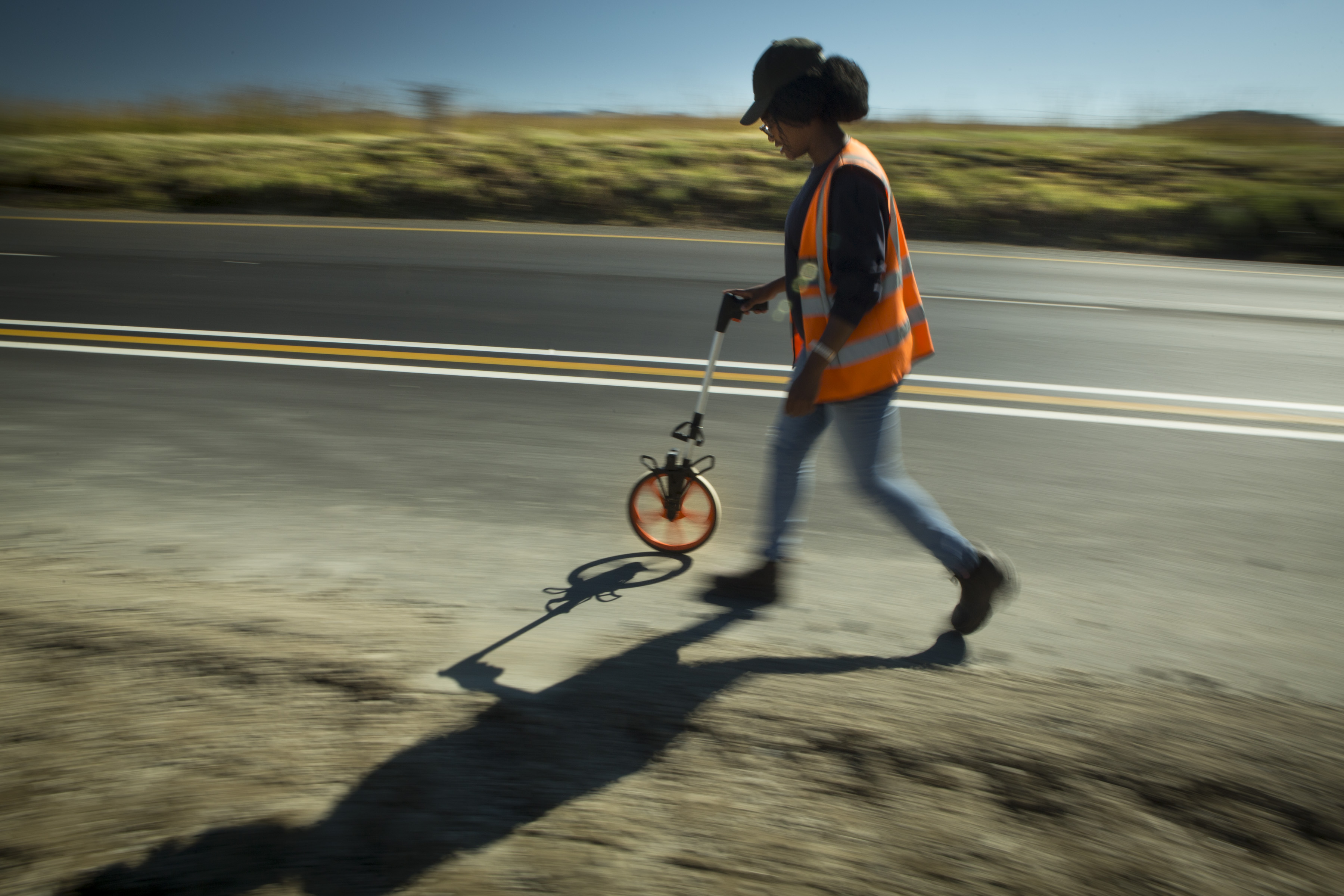
Candidate engineering practitioners who attend SANRAL’s Technical Excellence Academy (TEA) receive materials training over three months at the laboratory in Struandale, Gqeberha. They also spend 21 months at the design academy and gain on-site construction work experience.

In 2020 three interns in the Engineers Representative on Targeted Enterprises (ERTE) programme received lab training. ERTE is a sub-division of the South African Pioneers of Transformation (SAPOT).

Kobus van der Walt, now retired Head of the TEA, said it was “excellent that the SAPOT interns received lab training. This is a great training place for them and SANRAL candidates to learn about materials used in road construction”.

Early childhood friends Ulrich Witbooi and Devon Anyster graduated in 2017 from the Cape Peninsula University of Technology in Belville with BTech degrees in Civil Engineering. Both are from Worcester, and before joining the materials training laboratory they worked at the TEA’s design academy, doing resurfacing investigation and design for the N2 Tsitsikamma Toll Road.

While at the lab, Witbooi and Anyster assessed and interpreted materials test results. They also gained knowledge of quality control, specifications, and construction techniques.

Anyster’s goal is to register as a professional engineering technologist. He also wants to further his education and obtain a Master’s degree in Engineering. Both of his parents are high school teachers.

His interest in civil engineering started in high school. “I enjoy what I do. Civil engineering is a challenging industry. So far, I have been very involved in SANRAL projects. The duration at the lab has been very informative. We can improve people’s quality of life through an innovative road network. This industry continues to inspire,” he said.

Witbooi is the first in his family to study civil engineering. “From a young age, I was intrigued by and interested in heavy machinery that builds something unique. Witnessing the use of heavy machinery building something amazing was the reason I ended up pursuing a career in civil engineering,” he said.

He has gained experience working as an assistant resident engineer and on numerous projects, including pavement layers, mass stabilised earth retaining walls, and culverts.

“I am inspired to make a difference in the lives of others. I want to inspire youth in the communities and inform them that anything is possible if you apply your mind,” he added.

In addition to the TEA candidates, ERTE interns also spend three months at the lab. They are among the civil engineering graduates who have been seconded on SANRAL projects since 2017 under the Southern Region. The project-based programme works with such graduates who have completed their Technical and Vocational Education and Training (TVET) institution studies.


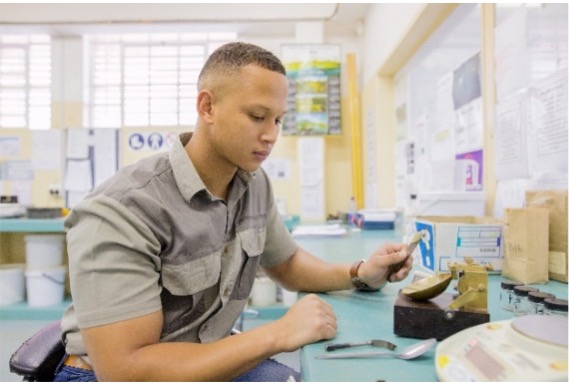
 Devon Anyster measuring the effect of wet and dry cycles on clay that is used in road layers.
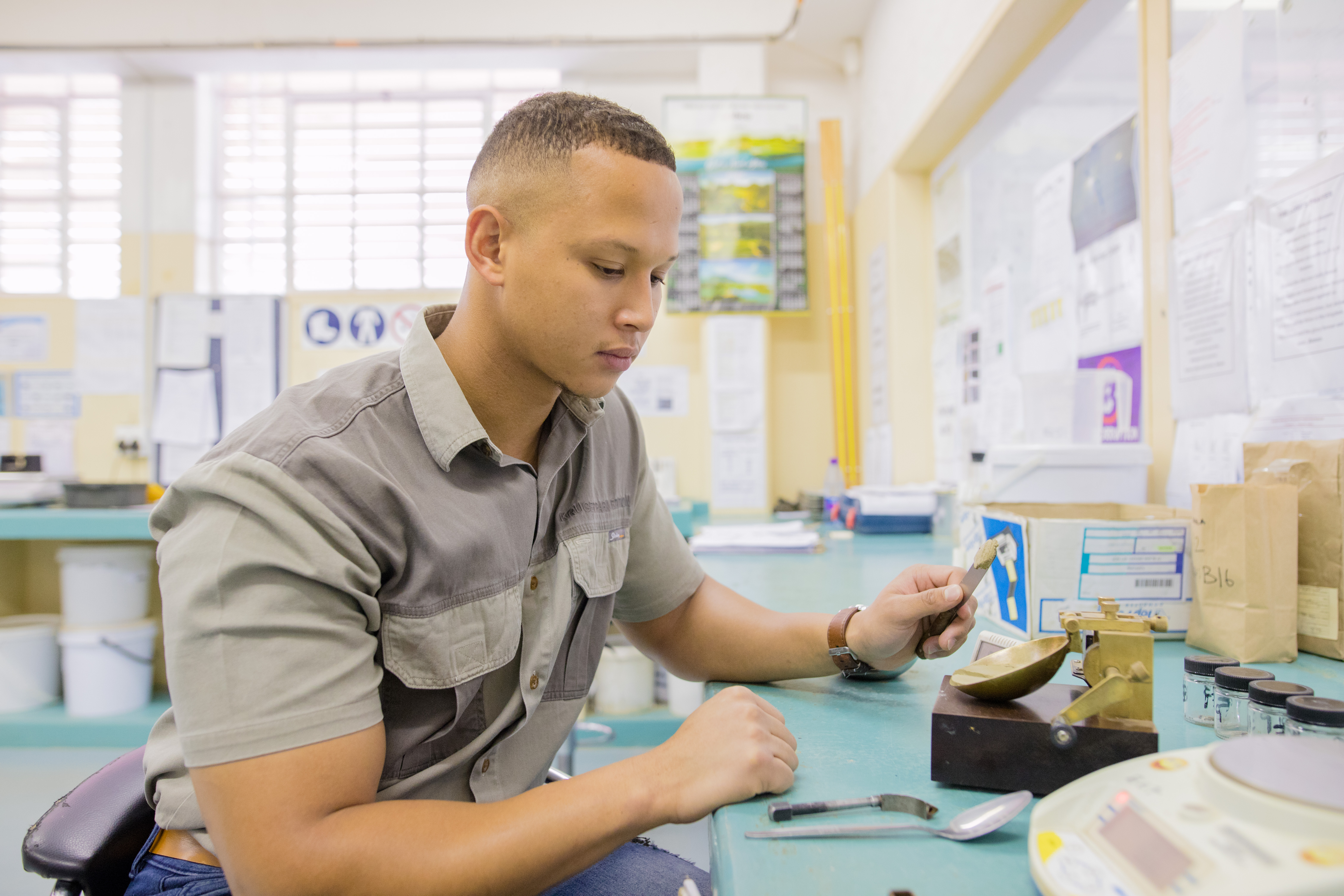
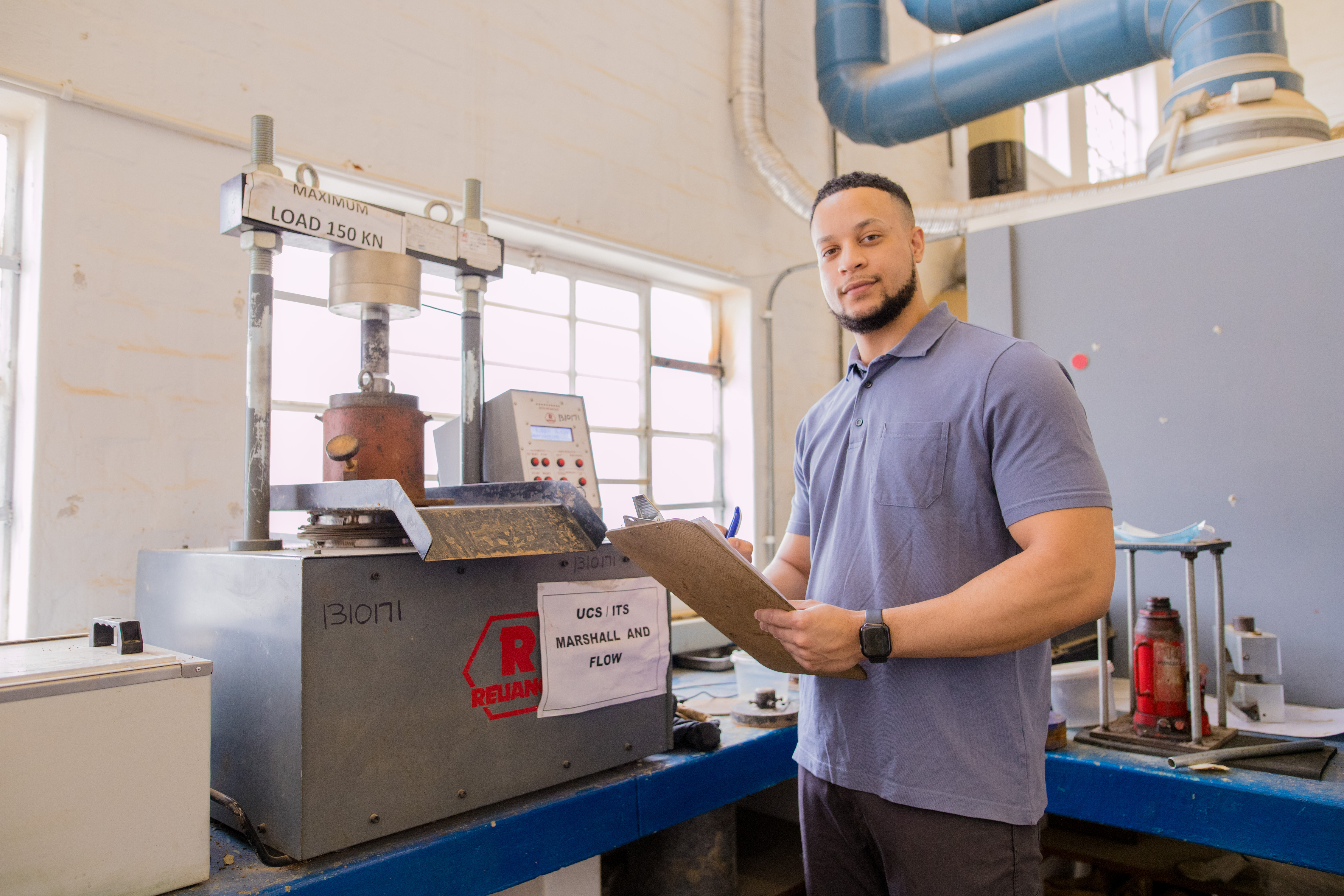
Ulrich Witbooi determining the strength of sub-base and sub-grade materials.

Vuyiswa Novukela, a civil engineering college intern on SANRAL’s Southern Region internship programme, is on a two-year contract. She completed her education at King Hintsa TVET College in Butterworth.

Apart from spending time in the lab, she gained on-site experience on the R58 section 6 in Elliott working on erecting road signs, the R61 section 3 in Tarkastad where she did layer works for intersections, as well as stone pitching and drainage in Komani. Having sampled materials on site from the R62 section 7 between Joubertina and Kareedouw, she said she had learned about different road layers.

In 2021 she will work on the R56 project between Middelburg and Molteno.

“My family is proud of me. Education is important. It is going to urge me to take care of myself and not to depend on other people,” said Novukela.

Yonela Diliza from Mthatha is also a recent ERTE programme graduate and has gained field experience on SANRAL projects. This included the planning of road signs and drainage systems, as well as administrative work and quantity surveying, cold in situ recycling lab tests on the R391 project, and erecting guardrails working with SMMEs in Burgersdorp.

“While we were erecting the guardrails in Burgersdorp the SMMEs were tough on us. We had to dig holes, and it was hard work. However, I am glad I got to experience this type of work. Now I know about the hard labour that goes into putting up guardrails,” she said.

A new intake of candidates took place in February 2021.
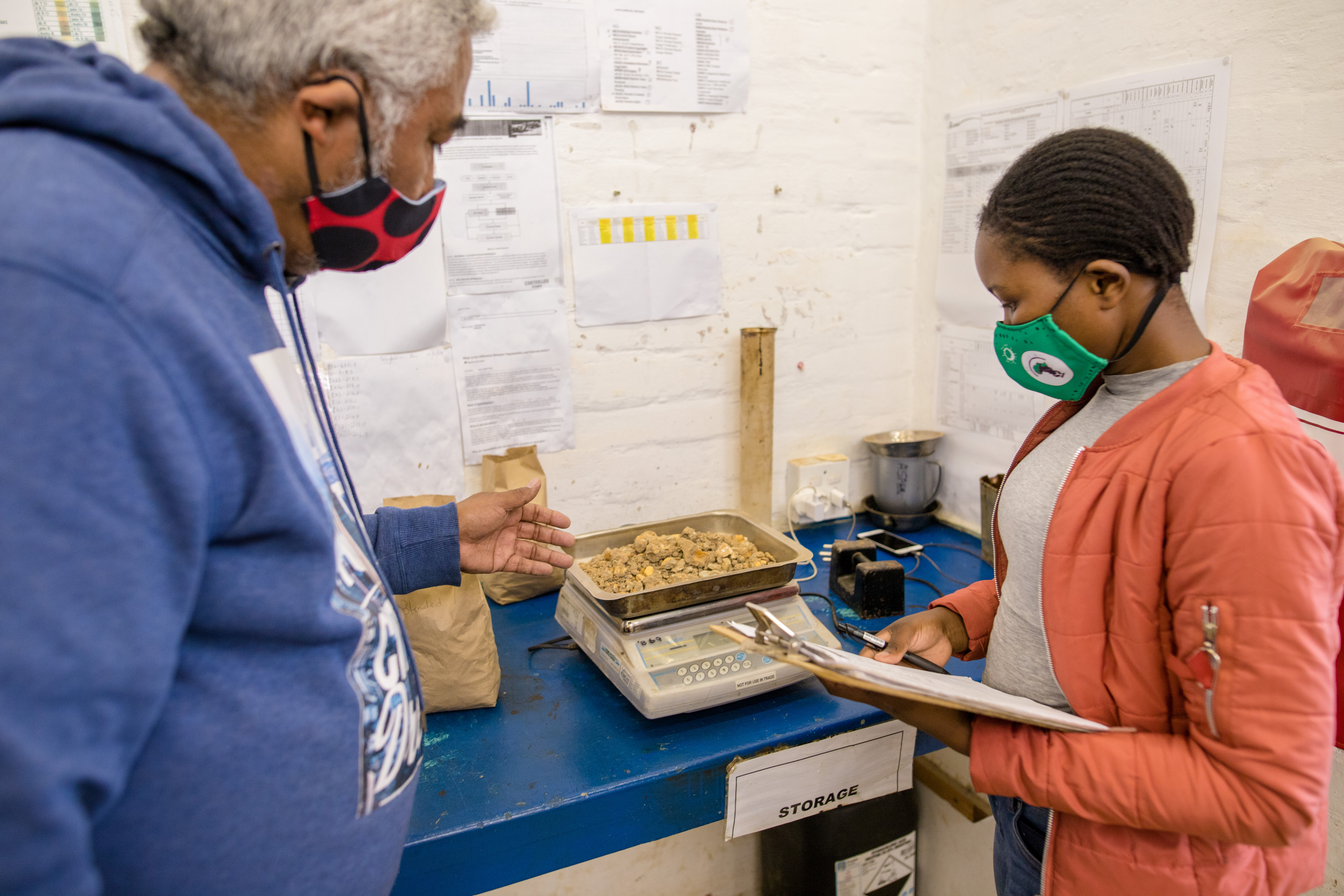
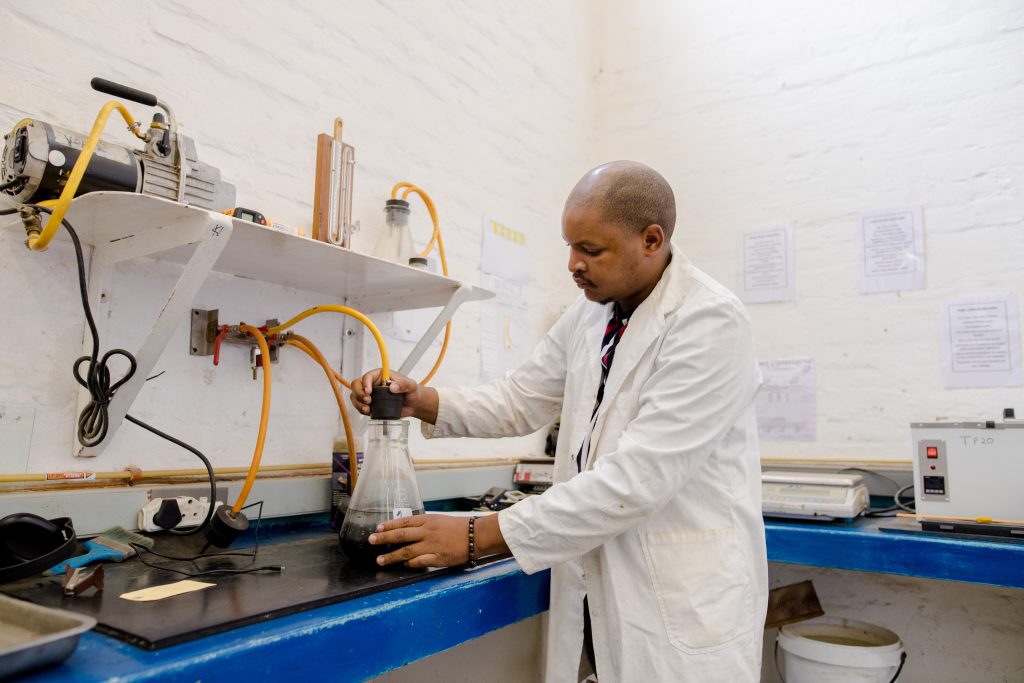
Yonela Diliza busy with a sand equivalent test while being supervised by MCI assistant materials tester Siphelo Saki.
The test is to determine  sand and clay in fine aggregate for manufacturing concrete products.
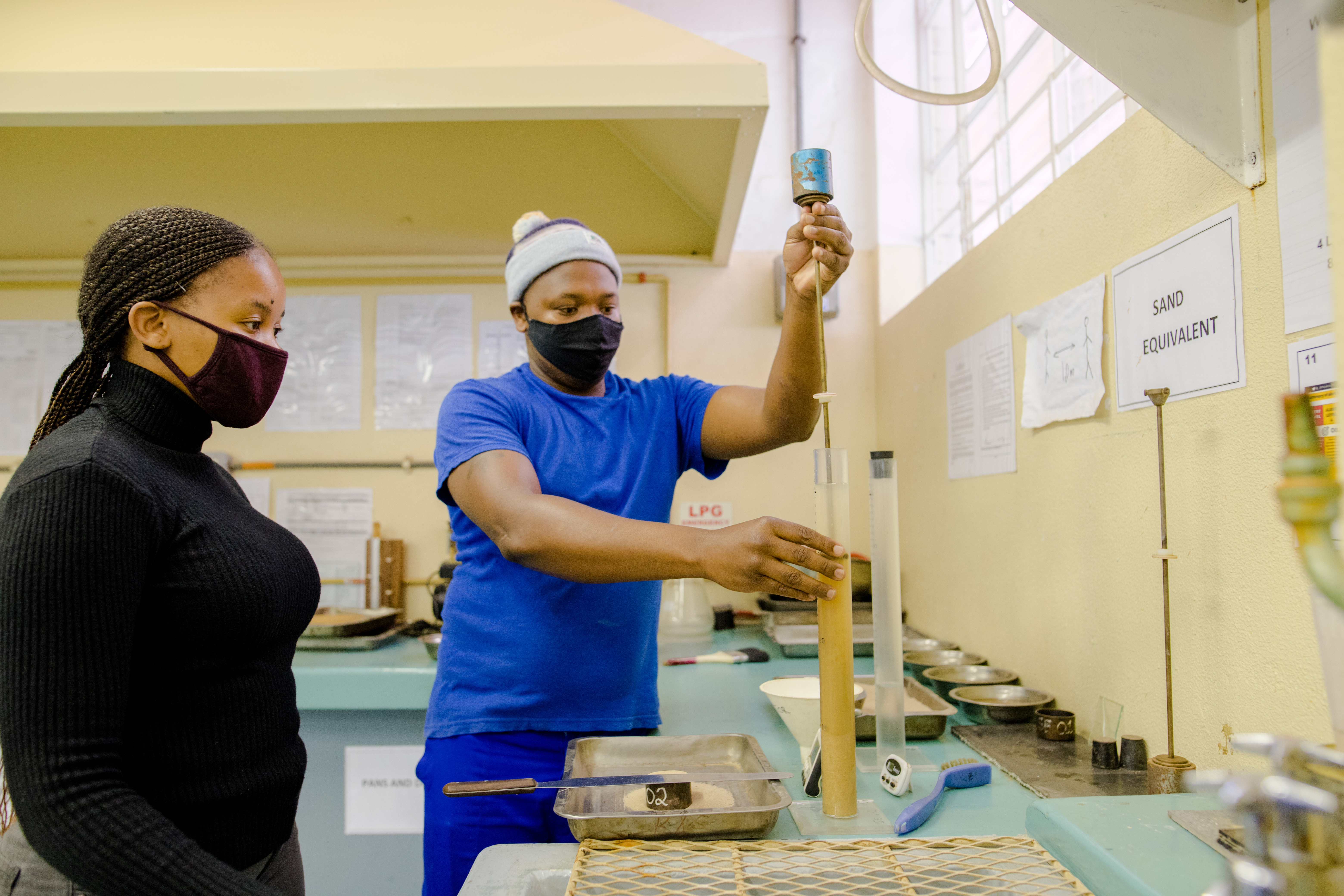


Lab manager Jeremy Dick supervises Vuyiswa Novukela while she determines moisture in a sample.

 

SANRAL to add machine learning to road safety arsenal


SANRAL’s Technical Innovation Hub (TIH) is currently probing the extent to which machine learning can be harnessed in the quest to improve road safety, reduce congestion and inform infrastructure development.

The TIH is at the forefront of harnessing technology to inform, improve and expedite road safety across the South African road network. The Hub draws from extensive research into industry best practices and collaborations with various stakeholders in the road safety arena, both nationally and abroad.

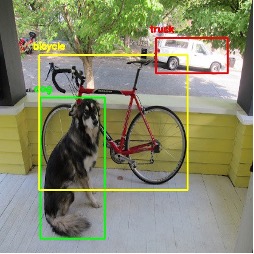
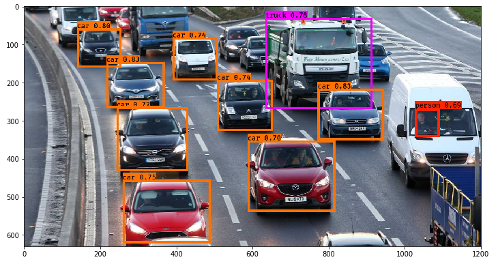
Mechatronic Engineer in the TIH Ruan van Breda explains: “Machine learning can be used to detect and segment objects within a camera frame. Each frame of a video is analysed as a still image. These objects can then be classified based on pre-trained image classifiers. Within the road environment this allows one to detect and classify different types of vehicles, pedestrians, different types of animals, cyclists, etc.”


The possibilities are infinite, based on what training data is available. There is already ample data for the abovementioned classification types. However, Van Breda explains that these genres can be further expanded through the creation of custom data sets and training classifiers, to be able to distinguish, for example, between slow-moving traffic and a road traffic crash.

This can also be used to create new classification classes based on unique experiences, or the requirements of the road authority (e.g. fire or protest detection, foreign objects such as rocks, tyre detection). This information can then be used to activate the appropriate response through the Road Incident Management System (RIMS), remedy the situation and inform road users – in real time.

One can also look at how these different objects interact with one another, for example to detect unusual vehicle behaviour such as a vehicle stopping on the freeway. One is also able to infer information about the interaction between multiple ‘objects’ such as cars and pedestrians.

If a vehicle is detected moving to the side of the road and coming to a standstill, and pedestrians are detected moving towards the vehicle and entering it, this can be classified as an informal pick-up. As more and more data is collected, these trends can aid road authorities with infrastructure planning, such as drop-off/pick-up points, or aid law enforcement to stop illegal pick-ups if this is considered a safety risk.

Technology of this nature also comes with significant risks. However, all efforts are being made to understand how to use it effectively while maintaining strict compliance with legislation regarding the privacy of road users. Some ways to mitigate potential privacy risks are through strict security and access controls. Data can also be anonymous at the point of capture. After all, the intention is not to observe individuals, but to identify trends and incidents to inform appropriate responses and interventions.


While this technology is still in the exploratory phase in SA, it already has tongues wagging in countries like China, where they use machine learning to incorporate facial recognition for law enforcement. They are able to identify the driver of a vehicle and instantly issue fines, if that driver does not have a valid driver’s licence. Fines can also be issued automatically for individuals who jaywalk or gain access to restricted areas.

As with any technological advances, there are pros and cons. For now in SA we are looking into and learning about the potential of machine learning.


Five major upgrade projects for the N1


In the Western Cape, SANRAL has identified the stretch of N1 from Old Oak to Worcester for a significant upgrade. This work has been divided into 5 separate projects, from Old Oak to Brighton Road Interchange, from Brighton Road Interchange to Koelenhof Interchange, from Koelenhof to Market Street, from Worcester-West to Worcester-East, and from Worcester-East to Glen Heatlie. After completion of the design phase, it is hoped that construction will start towards the end of 2022.


TRAC drives growth in eMakhazeni


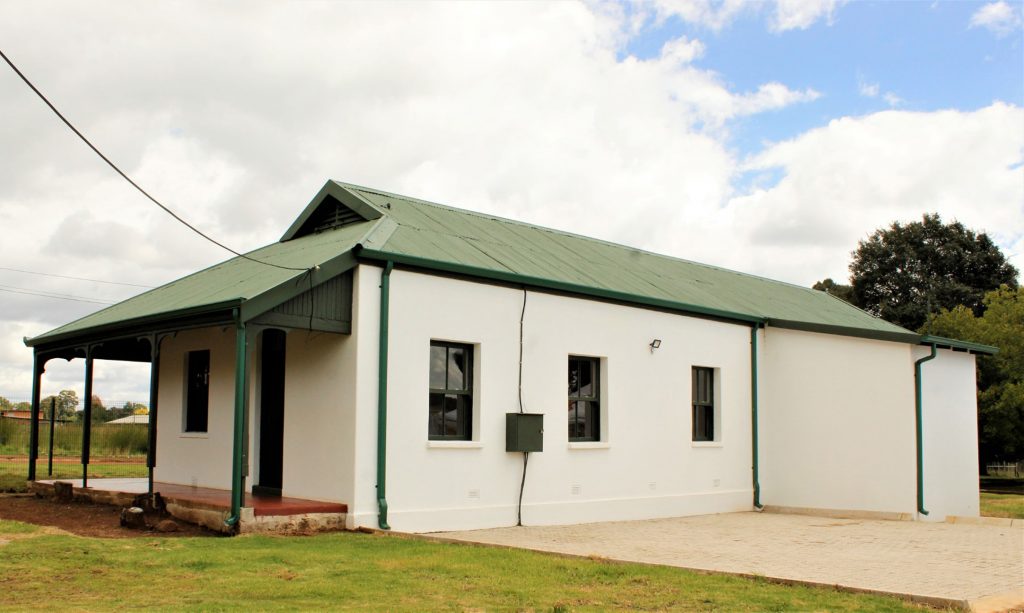
Trans African Concessions (TRAC) has made sure that members of the community of eMakhazeni are more easily able to take their Learner’s or Driver’s Licence, by refurbishing the Belfast Testing Centre. The R1.3 million project, launched in 2019, forms part of TRAC’s corporate social investment programme that assists communities along the N4 Toll Route.


Work on Mtentu Bridge forges ahead

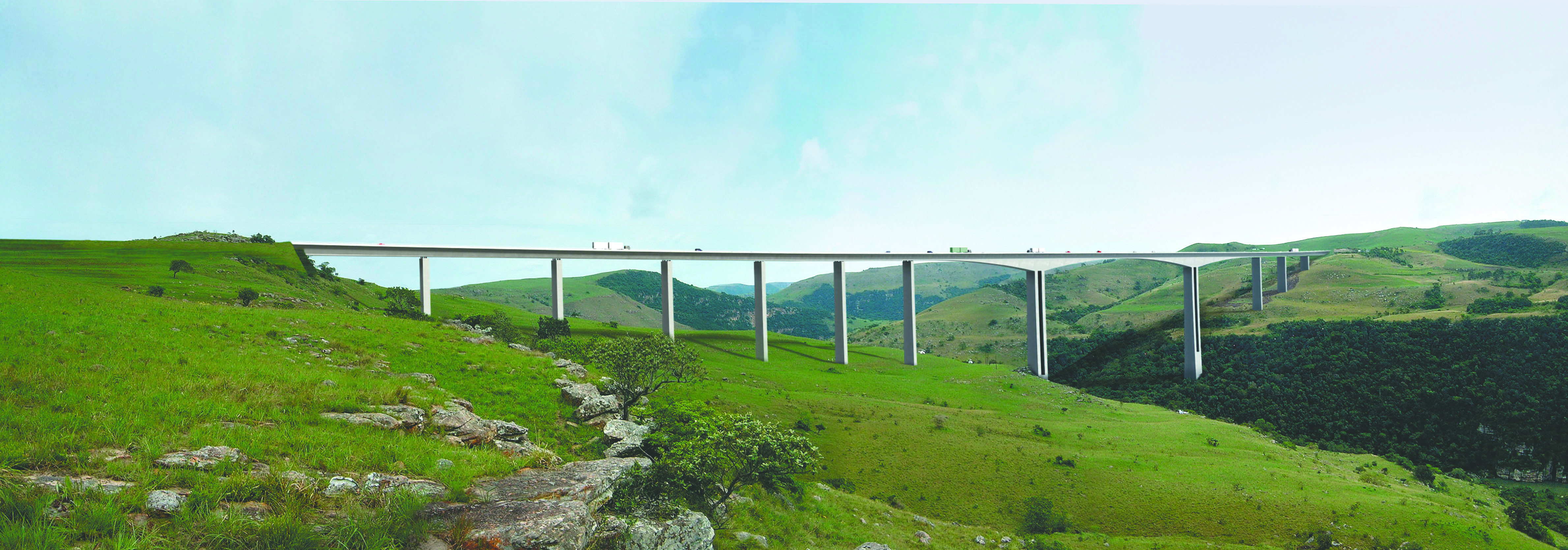
SANRAL is forging ahead with recommencement of work on the R2.5bn mega Mtentu Bridge, which forms part of the flagship N2 Wild Coast Road. Upon completion the Mtentu Bridge will be the highest in Africa and one of the longest main-span balanced cantilever bridges in the world, at a height of around 220m.

The project is anticipated to create over 600 local jobs during construction.


N3 upgrades set to boost transport corridor


The provinces of KwaZulu-Natal, Free State and Gauteng are set to see considerable growth in the economy due to upgrades to the N3, which will take 8–10 years to complete.

This includes widening the N3, with four or five lanes in each direction, and reconfiguration of most major interchanges along the sections involved. Community development projects will provide extensive opportunities for generating economic growth and alleviating poverty.


Night-time closure for Huguenot Tunnel maintenance

Night-time closure for Huguenot Tunnel maintenance Western Cape, 1 June 2021 – With extensive maintenance to the Huguenot Tunnel having been done under live traffic conditions over the last two years, the next phase of the upgrade will necessitate the night-time closure of the tunnel from Monday 14 June.

“Statistics show that only 10% of the daily traffic passing through the tunnel, do so at night-time. In terms of the least disruptive time, the tunnel would thus be closed to traffic, from 10pm to 6am, Monday to Thursday. This means that the tunnel will still be open during the daytime Monday to Thursday and fully open 24 hours a day from Friday to Sunday, for all road users,” said Randall Cable, SANRAL Western Region Manager.

This year, the tunnel had been in service for 33 years, with an impeccable safety record and a remarkable capacity load of well over 110 million vehicles. The electrical and mechanical systems have however neared the end of its life and need replacement to ensure compliance to international safety standards.

Much of the required maintenance work has been completed under live traffic conditions, to ensure minimal inconvenience to road users. These include:

  • 11Kv line replacement between the tunnel and the Main Control Centre (MCC)
  • Installation of back-up generators at MCC and portal buildings
  • Most of the watermain replacement
  • Main Control Centre building upgrade
  • Replacement of variable message signs (VMS) and all electronic signage in the tunnel
  • Replacement of Main Control Centre fire detection and suppression system
  • Upgrade of Emergency radio system in the tunnel and Main Control Centre.

“Some of the work, like the upgrade of the tunnel fire detection system, replacement of the tunnel strip and adaption lighting and the asphalt overlay of the Eastern Approach Road (Worcester side) cannot be done under live traffic conditions and will therefore be done at night-time during the planned closures. We anticipate that this should all be completed by 30 September 2021,” said Mike Vinello-Lippert, SANRAL Tunnel Project Manager.

SANRAL has been engaging stakeholders from local and provincial government, the road freight industry, the agricultural sector, SANTACO and the local business community on how the closures will impact their businesses, so that they are able to make adjustments to their travel times or use any of the various alternative routes.

The least amount of inconvenience may be caused by adjusting travel times to arrive at the tunnel before or after closure times. Where this is entirely unavoidable, alternative routes include Paarl – DuToit’s Kloof Pass – Worcester (±62 km), Paarl -Gouda – Tulbagh – Worcester (±121 km) or Wellington – Tulbagh – Ceres (± 74 km.) Depending on origin and destination, the N2 Grabouw to Villiersdorp (41 km) is also an option.

“Where unforeseen changes to the schedule are necessitated, we will communicate these as soon as possible, to ensure that road users are fully informed of the work being carried out and the effects this may have on traffic flow,” said Cable.

Real-time and accurate Huguenot Tunnel closure information will be made available on www.i-traffic.co.za and the SANRAL website www.nra.co.za, to allow road users to plan their journeys accordingly. Various other social media platforms will also be used to convey real-time and accurate information to all stakeholders. “SANRAL apologises for the inconvenience these upgrades may cause. The safety of every road user passing through the Huguenot Tunnel, is however our prime objective,” concluded


New interchange and Traffic Control Centre for Kokstad


The contract for construction of a new interchange and Traffic Control Centre for Kokstad has been awarded. The N2 Kokstad Interchange is located approximately 3km south of the Kokstad central business district. Under this 33-month contract of approximately R563.50 million, at least R169 million will be sub-contracted to SMMEs, while just over R45 million will be spent on local labour.


First ever rate adjustment for Rest and Service Facilities

Pretoria, 23 June 2021 – The South African National Roads Agency SOC Limited (SANRAL) has revised its rest and service facilities rates for the first time since its inception in 1998. The new rates took effect from 28 January 2021.

SANRAL’s long-term strategy, Horizon 2030 is the blueprint for its development over the next ten years and among the key strategic interventions is the adoption of an Integrated Funding Model which entails the generation of own revenue.

Furthermore, the diversification of revenue sources and the development of sustainable revenue streams from the identified business areas are among the key strategic objectives. SANRAL’s Business Development Strategy identifies key pillars and key focus areas through which SANRAL can derive or significantly increase its revenue. One of these is that of rest and service facilities.

“The previous levy/rate structure had been in existence since 1998 when SANRAL was officially formed. The revised rates were developed with the intention of ensuring fairness to the market for all parties,” explained Thabiso Malahleha, SANRAL’s Head of Strategy.

There is also an approved Rest and Service Facilities Policy which outlines the planning and technical requirements for potential developers. The revised rate card considers factors such as traffic, Gross Lettable Area, and location of the facility with regards to rural or urban. The intention is to also let out opportunities for development on SANRAL owned land through an open and competitive tender process.

“Noting that there may be cases where access to the facility is not direct, in the strict definition it is accessed through a SANRAL interchange which needs to be maintained accordingly,” continued Malahleha.

SANRAL will at intervals review both the policy and rate card to ensure reasonable alignment with the market. Noting that there are existing facilities with direct access off the national road network that do not have an agreement in place. A process to engage these facility owners or operators will be followed.

Heavy rainfall causes water gushing down Ntentule Falls near the N2WCR project

Heavy rainfall, on Tuesday, 01 June and Wednesday, 2 June 2021, brought this magnificent view of water gushing down the Ntentule Falls on the Mateku River 20 km east of Lusikisiki in the Eastern Cape. The waterfall, measured at 175-metre high, is located near SANRAL’s Msikaba bridge project.  In 2019, professional surveyors and engineers discovered that the Ntentule Falls was the second-highest waterfall in South Africa.

The Msikaba bridge is part of SANRAL’s N2 Wild Coast Road (N2WCR) project. The key purpose of the N2WCR project is to serve as a catalyst for economic growth in the country. Once complete, the route will be approximately 69km and 85km shorter than the current N2 and R61 routes, respectively and, due to its shorter and flatter alignment, between 1 ½ hour to 3 hours faster, for light and heavy freight vehicles, respectively.  This new route will significantly reduce vehicle carbon emissions and result in a time-cost saving to motorists and freight operators of approximately R1.5 billion per annum.

The socio-economic impact of the N2WCR project is offering significant injection for the local communities. The minimum 30% expenditure earmarked for Targeted Enterprise sub-contractors and suppliers will result in over R4 billion flowing to SMMEs most of which will be from the OR Tambo and Alfred Nzo Districts.